Made in Munster: Reinventing the household chair
talks to Alison Ospina who has reinvented the household chair.
In a world littered with expected,factory-finished timber — atrophied under a diamond-hard finish and frozen in repetitious tight symmetry — there’s a fundamental distance between most of us and the furniture we use every day.
A conversation with country chair-maker Alison Ospina prompted me to see these ancient servants with a fresh, fond, more metaphysical eye.
Very often we do not even look at the chairs we sit on, says Alison.
“We back onto them and trust them implicitly to take our weight and not collapse beneath us. A chair is not just another piece of furniture we interact with. We trust chairs.
"A chair supports us. We often have favourites, ones we always sit in because they feel ‘right’.
"They are comfortable, they suit our particular physique. We have a certain relationship with it, perhaps we ‘love’ it,insofar as we can love an inanimate object. If a chair collapses beneath us, we feel betrayed: ‘I trusted you, you let me down’.”
NATURAL INSPIRATION
Already a skilled joiner, furniture-maker and teacher, Ospina and her Colombian husband José came to Skibbereen in 1996.
Her artistic and spiritual engagement with the surrounding native woodland was immediate. Green Wood Chairs in unseasoned small-diameter “sticks” hold a special place in the craft story of not only Cork but the artisan chair-making vocabulary worldwide.
Alison has two books to her credit including Green Wood Chairs, which explores her work and celebrates the story and work of chair “bodgers” all over Ireland.
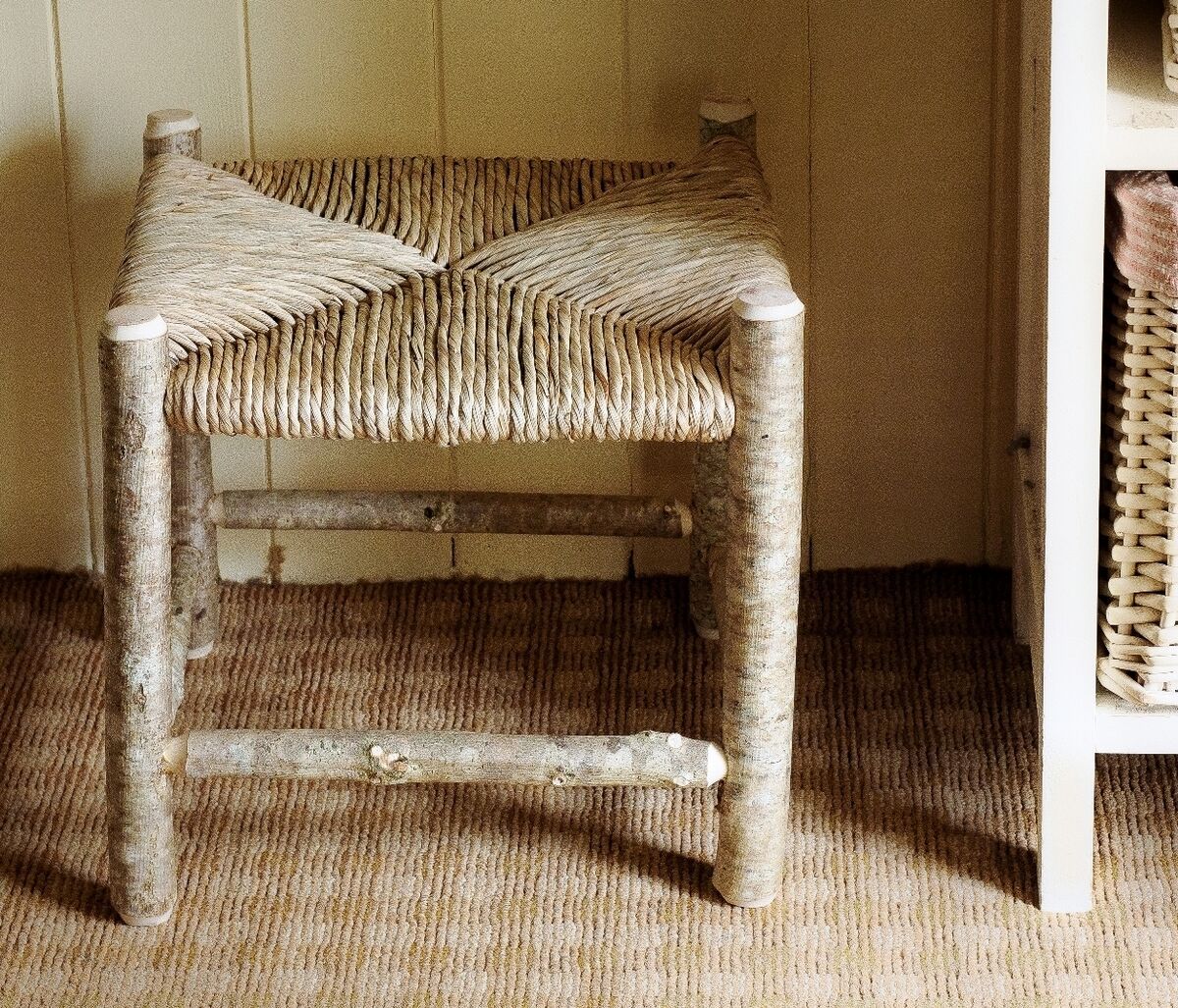
Her invitation to an intimate experience of crafting a chair with traditional hand tools can be life-changing:
“Everyone has one in them,” according to Alison.
“For me, being in a room of greenwood chairs is like being among friends,” says Alison.
They have an animated quality. I imagine they might rearrange themselves when I am not looking. When people sit in my chairs their hands are always moving, exploring the arms, feeling the smoothness, bumps and shapes of the branches they were made from.
Ospina’s connectedness with nature hints at our increasing disconnectedness.
“My home is surrounded by trees. I am aware of them as if they were my neighbours.
"I know the shape of their limbs, the colour of their leaves and the form of their seed pods,” she says.
“I always visit the woodland my chairs are born from and walk among the trees, breathing the same air, listening to the sounds and inhaling the woodland aromas. In nature you find beauty, light, colour and form. My chairs are inspired by the natural elegance of trees, their flowing curves and swaying branches.”
POETIC FINISH
Ospina dislikes the term “rustic” — saying it suggests furniture that is rough, heavy and rudimentary.
There’s no judgement, there’s just a stable beautiful chair on good joints born organically from the found wands and branches in a poetic, fluid finish.
The curious liveliness of the fascinating fairy-tale thing is delivered by a free design, flourishing moment to moment, and an empathy with spare, natural materials.
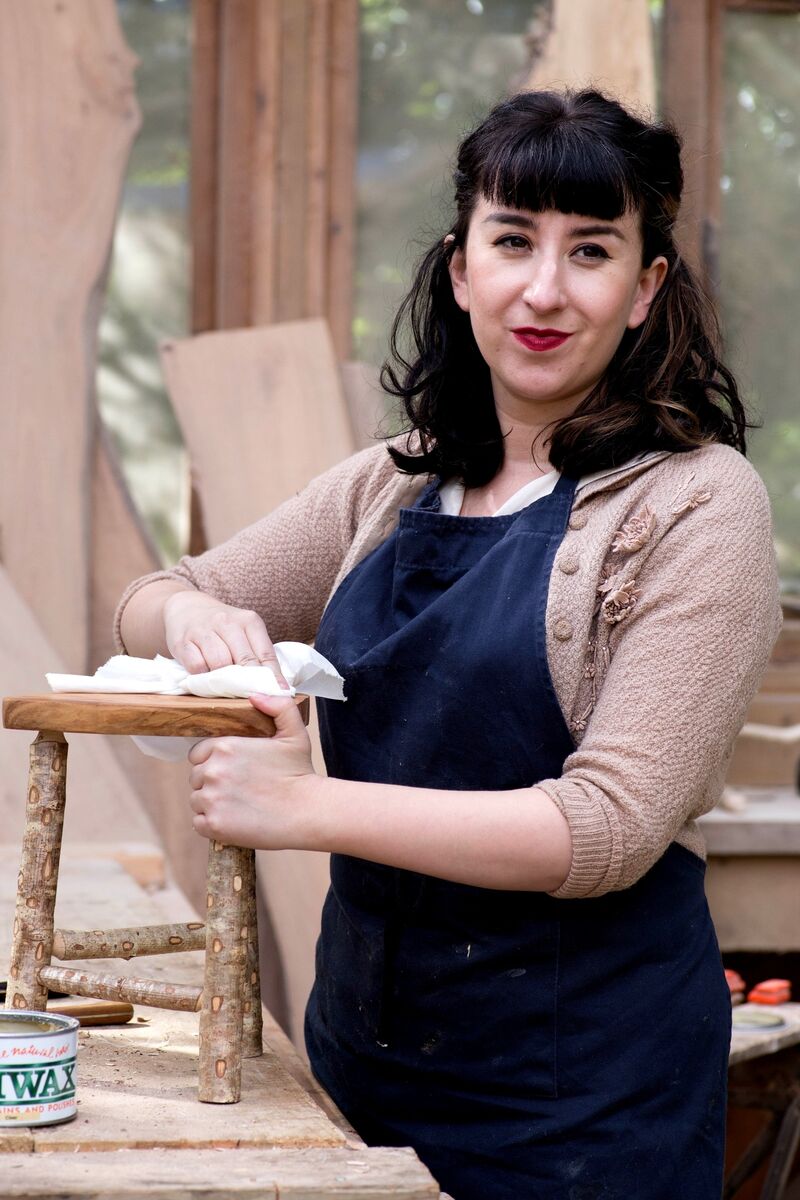
Alison’s inspirations range from traditional Irish country and hedge forms to north American artisan craft, further informing the story.
“A Shaker chair is a perfect thing in every way — proportion, craftsmanship and material. I am also drawn to American porch furniture, something that inhabits the ‘limbo’ between indoors and out.
"I like the juxtaposition of bringing something from outside in, taming it slightly, but not too much,” says Alison.
The huge variety of chairs that were designed and made by Sam Maloof throughout his long career has influenced my more recent upholstered designs. Even using kiln-dried plank wood, his joinery is reminiscent of the way a branch grows from the stem of a tree.
"I have noticed the same ingenious detail in pieces by an earlier American artist, Wharton Esherick.
"I am also very drawn to the Japanese aesthetic and enjoy the furniture and interior design of George Nakashima who has a similar approach to woodwork — revealing the soul of the tree.”
DESIGN PROCESS
Ospina’s design process is delightful ina world of computer-aided design and lasers. “I almost exclusively use coppiced hazel wood.
"Hazel is an ideal material forchair-making, I sometimes think that is what nature intended it for,” she says.
“Making chairs using unseasoned hazel is very different from working with kiln-dried plank wood. A successful greenwood chair is the result of a collaboration between the tree and the chair-maker.
"The process is materials-led. Although I will have a clear idea about the dimensions of the chair I am making, the materials ultimately dictate.
"It’s not until I stand back from the finished chair and look at it in its entirety that I know what ‘kind’ of chair it will be. I enjoy that feeling of not having complete control over my process.
“I work from the natural shapes and forms of the branch wood. Chair components are easy to find in hazel.
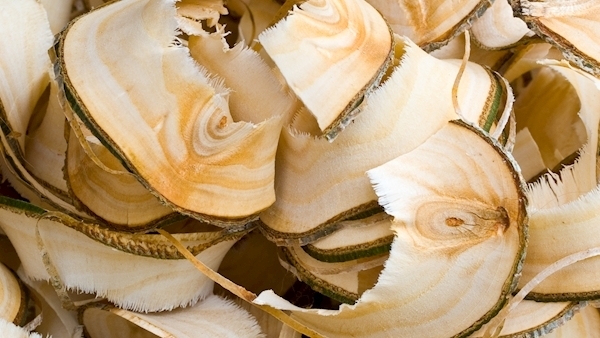
"The barkis always attractive and varies in colour from silvery grey to patchy shades of greens and pinks formed by lichens, depending on which part of the woodland it grows in.”
She adds: “The hazel I use has been coppiced which means it is cut back to a six-inch stump in the winter months when the tree is dormant.
"The following spring the tree sends up a number of new stems which grow very rapidly. The material will be ready to harvest again within six or seven years.
I grow a small amount of hazel but prefer to source my material from woodsmen/ women who dedicate themselves to managing hazel woodland and know the ‘lore’. I need upwards of 500 sticks per year.
Alison has developed a network of people who grow hazel, collect seeds, make products using the same or similar materials, weave chair seats using rush and willow, and design and make textiles suitable for upholstery.
Each summer Alison introduces a new limited-edition collection at the West Cork Creates Exhibition in Skibbereen.
“It runs for six weeks during August and September and is my ‘shop window’ for the year,” she says.
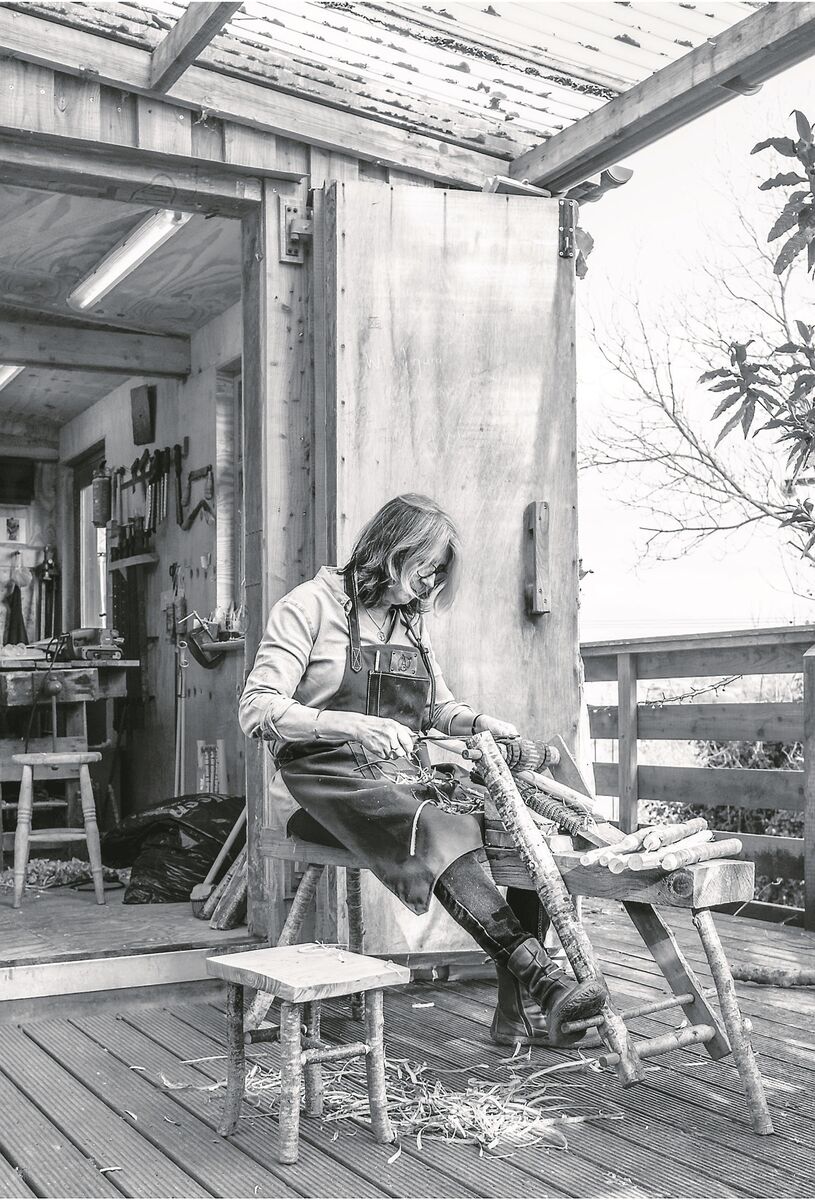
“My work is seasonal because coppicing traditionally gets done in December/January while the trees are dormant and I have very little usable material left by the following October.
"This is my ‘hungry gap’ but I am used to that rhythm of working.”
IN CONTEXT
She adds: “Writing books has helped me to understand what I do and to put it in context both culturally and historically. It has also made me a better teacher because by analysing what I do I can express it to others with more clarity and confidence.
"It is such a pleasure imparting my knowledge, I feel as if I am sharing a wonderful secret.
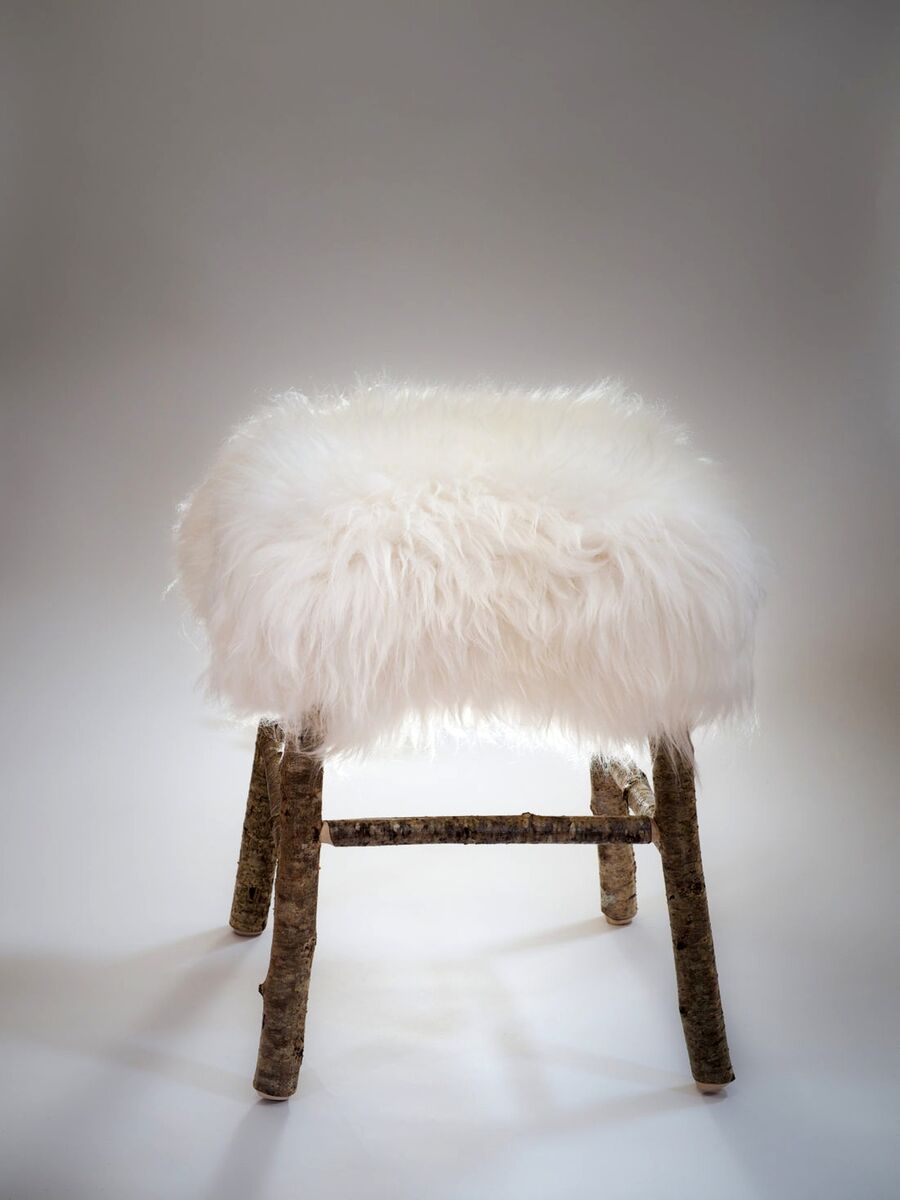
"When people grasp that they are making a chair from a pile of sticks they just start to smile and that smile continues until they load the chair in the back of the car and drive home.”
Alison Ospina’s books include Green Wood Chairs and Green Wood Stools. For further information see greenwoodchairs.com.

CONNECT WITH US TODAY



Be the first to know the latest news and updates