Islands of Ireland: Living on the Kedge
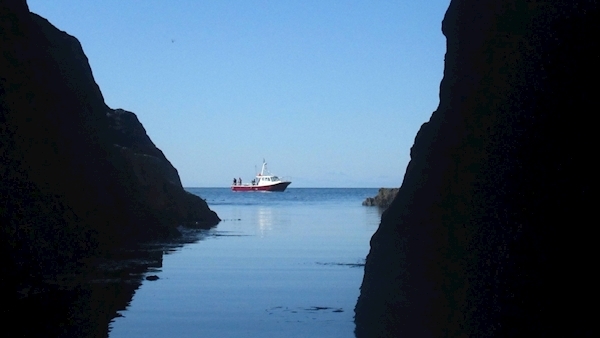
An inhospitable place though so close to shore, Kedge Island is a small, rugged island with a grassy top above its cliffs, within sight of Baltimore’s well-known Beacon. It is better known as the Kedges named for a series of jagged pinnacles that stretch to the cliffs under Spain Tower. Just up the coast at Toe Head lies a companion crag known as the Stags. Both have featured
in seafaring tragedies over the years with several ships run aground and lost.
The origins of the island’s name is uncertain but may derive from a type of anchor where a sailing boat is moved against the wind or from a dead calm.

Nowadays, the vicinity of these two islands are mainly visited by divers attracted by the sub-marine sights. Rianne Smith of
aquaventures.ie in Baltimore says the Kedges attracts a steady stream of divers eager to investigate the wreck of the steamer SS Alondra, which sank in 1916 with the loss of 17 men.
“It’s a very popular dive site, as it isn’t too deep and you can do it at any stage of the tide,” says Rianne.
Wrecks become the home for fish life, for congers, lobsters, and crab. They like the nooks and crannies. There’s always marine life around there but the features we particularly like are the crankshaft, the two boilers and the triple expansion engine blocks
The 40th anniversary of the Fastnet race disaster last week was a timely reminder of the heroism of Irish and British lifeboat crews in saving lives. Baltimore lifeboat was heavily involved in the rescue and its tradition of rescue was once again underscored. The modern tradition dates from 1915 when the lifeboat building in the village was established and the very next year it had a major rescue mission on its hands. Without a lifeboat, however.
“The tragedy was instrumental in Baltimore getting its lifeboat,” says Rianne. “The lifeboat station was built in 1915 but because it was war time we had to wait another four years before we were able to get our first boat here.”
A film of the rescue of the Alondra’s sailors was made in 2013 with the Baltimore Drama Group. It was commissioned to recognise the role of the RNLI Baltimore lifeboat station and several others around the country in the First World War. A display on the Alondra story is available by appointment in the lifeboat station.
In a century of rescues after it received its first lifeboat, the Shamrock in 1919, Baltimore RNLI is credited with saving 280 lives in almost 1,000 callouts. Current coxswain Kieran Cotter also took part in the heroic Fastnet rescue in 1979. As part of the 100th commemoration ceremonies in the village on September 8 the inshore lifeboat will be officially named.
The Alondra tragedy unfolded in the early hours of December 29, 1916 when the ship struck Kedge Island in thick fog and rough seas. Sixteen of the crew launched a lifeboat from the ship but all were lost.
Meanwhile, frantic efforts to rescue the remaining 24 men in the ship were being co-ordinated from Baltimore with archdeacon John Becher, the secretary of Baltimore RNLI who succeeded on his third attempt with his crew to reach the stricken Alondra. Two Royal Navy trawlers assisted with the rescue and 23 men were brought up the cliffs and to safety. One other man had died on the ship.
The Freeman’s Journal reported that the victims were mainly Spaniards. It wrote:
During the difficult and dangerous task some heroic work was performed by the Rev Becher, rector. Messrs Cornelius, Michael and John Cahalane of Hare Island and others
The Journal said the rescue was directed by a Mr Carvin, divisional officer of coastguards, Castletownshend with the rocket apparatus and the aid of local volunteers.
The Cork Examiner reported that the men who survived “escaped off the island without injury and were not much the worse from their awful experience, their only regret being that so many of their comrades went to a watery grave”.
Kedge Island is unpopulated but is home to a myriad of seabirds.
How to get there
www.aquaventures.ie www.baltimorediving.com


CONNECT WITH US TODAY



Be the first to know the latest news and updates