Garden birds refuse to be boxed in
With a few exceptions, all the birds of town parks and gardens belong to a single branch of the avian family tree. They are known as the ‘passerines’. ‘Passer’ is the Latin for ‘sparrow’ and ‘passerine’ means ‘perching bird’. It’s not a very satisfactory term; owls pigeons, and other non-passerines, also perch.
‘Songbirds’, the alternative name, isn’t any better, because birds of many backgrounds sing. The curlew’s bubbling song evokes the uaigneas of Irish bogs and the cuckoo sings the world’s best-known refrain. Yet neither are ‘songbirds’.
Scientists can’t agree as to how many bird species should be recognised. There are about 9,600 candidates worldwide, of which over 6,500 are passerines. Members of this, by far the most successful of the 28 bird ‘orders’, inhabit every continent except Antarctica. Many have taken to living close to us; some Irish robins are virtually tame. Sparrows thrushes and tits also benefit from our good-will. Their presence even induces an unlikely non-passerine, the sparrowhawk, to visit suburban gardens in pursuit of them.
So how, and when, did songbirds first evolve? Flying animals must keep their weight down, so bird bones are hollow. Their carcasses, therefore, disintegrate quickly and don’t fossilise well; birds leave fewer traces than other back-boned creatures. It used be thought that the first passerines appeared relatively recently.
Now, in a paper published in Current Biology, researchers say that they have been around for at least 52 million years. This was a time when primordial hoofed mammals took to the water and began evolving into whales. The dog and cat families were still tens of millions of years into the future and it would be another 50 million years before our own kind, the hominids, arrived on the scene.
The new date for songbird origins comes from discoveries of two fossils. One was found during excavations at the famous Messel formation in Germany. The bird had lived 47 million years ago. The other remains, discovered at Fossil Lake in Wyoming, are 52 million years old. I can’t resist mentioning the generic name the scientists have given the Wyoming bird; Eofringillirostrum.
However, the white-coated scientists responsible for this linguistic monstrosity are not entirely soulless; the name translates as ‘dawn finch beak’. How romantic!
Crucially, the bills of the two fossilised birds were finch-like. Some plants encase their seeds in thick coats of armour to prevent predators, such as birds, from getting at the protein-rich pickings inside. With the development of powerful triangular -shaped beaks, the value of these high-security barrier defences was fatally reduced. The seed-eating bonanza continues today.
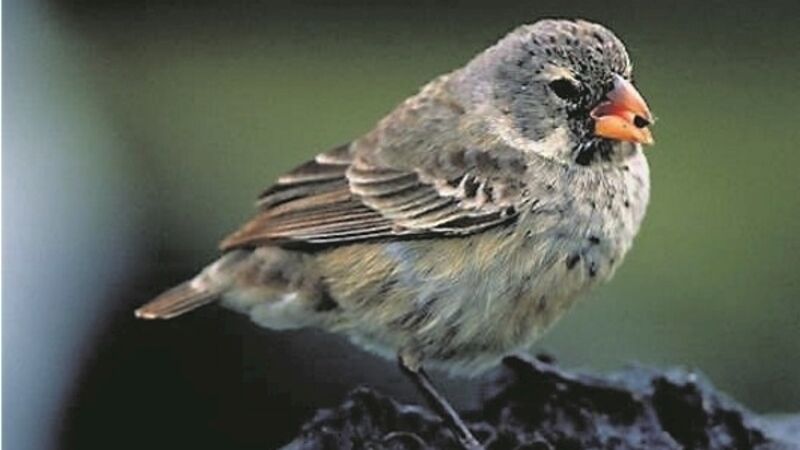
Beak shape is highly variable among today’s passerines. Differences between the bills of Galapagos finches provided Darwin with his finest example of natural selection in action. Nor do all modern passerines feed on seeds, far from it.
The finches, sparrows and buntings may have remained faithful to their ancient origins but most other songbirds haven’t. Thrushes, warblers and wrens, for example, have longish pointed bills, suited to poking out creepy crawlies from plants or the soil.
Swallows and martins, with their wide gapes, trawl for insects in flight. Dippers target invertebrates while walking under water. Nest architecture is another legacy of the Swiss-army-knife passerine beak, as the extraordinary nests of weaver-birds, wrens and long-tailed tits, show.


CONNECT WITH US TODAY



Be the first to know the latest news and updates