Being tidy takes more than TV

Marie Kondo takes to our television screens to get our homes in order — but can she really emancipate us from mess, asks
She’s the tidying expert who says we must ask the question, “Does it spark joy?” when wondering whether to discard a possession. If not, sling it.
Bear in mind, this applies to possessions, not the electricity bill, worse luck.
My hesitation to watch the show, however, came from falling foul of her question a while back after reading her book, The Life-Changing Magic of Tidying Up. I discarded a joyless phone cable which actually turned out to be a much-needed camera charger. This occurred around the time I wearied of the book’s bossy tone and joyfully slung it out.
But there’s no avoiding newsfeeds about charity shops now inundated with discarded belongings, inspired by the series, so bracing myself on the sofa, I waited for a booted stormtrooper to thump across my television screen, terrorising the disorganised of California into neatness, and their offspring into alphabetical order.

What I got instead was a daintily shod creature in a floaty skirt and pastel cardigan. Marie Kondo, it transpires, is adorable!
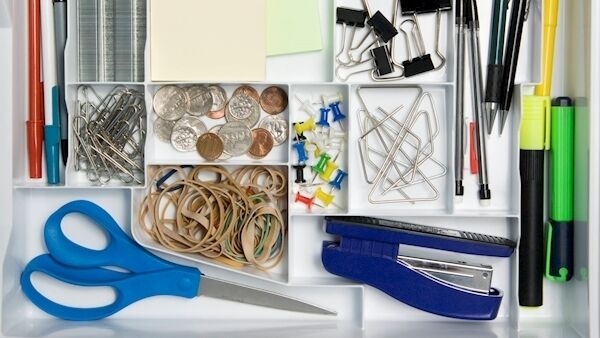
She’s also kind, with a desire to be of service, involving a method of tidying where everything falls into five categories — clothes, documents, books, sentimental things, and miscellaneous items.
Picking the most pressing category and placing everything in a pile is her starting point. Clothes were an issue across the episodes, so far, and such was the gargantuan pile created by one family, it was clear support was needed.
In the midst of much joy-sparking as things were discarded and order started to replace chaos, there were serious moments. Women, largely, felt responsible for the problem or were blamed by their partner.
Take the family of four in the first episode. Overwhelmed by lack of organisation and a surplus of stuff, husband Kevin whined that wife Rachel didn’t do enough laundry when she only works part-time (but also has two toddlers at her heels). Kev certainly didn’t spark joy in Rach, but, surprisingly, was still there at the end of the programme.

In episode five, Kondo urges a delightful young couple, Frank and Matt, to store things by size. They had a surprising amount of possessions, mainly books and gadgetry, all needing to be brought to heel.
Size is something also fundamental to Kondo’s system of drawer organisation. Garments are folded into thirds and placed standing on their sides so every item is visible. It’s a fantastic idea when the drawer is full, where each item is supported by the one on either side, but take a couple out and slowly the others start to unravel as mine did, along with some of my enthusiasm, despite watching a video to hone my technique.
All the houses featured really are in a state, simply from buying too much and not getting rid of things no longer used.
Frank and Matt are an interesting example. Without the excuse of rumpus-making children, nor having lived a decade or two of adulthood to acquire the excess older participants have had the time to do, why have they failed to sort their mess?
It became clear when Kondo explained the importance of getting the whole family involved in tidying, and we cut to her daughters at home folding their own clothes. They’re tiny little things but learning skills at an early age which will be with them for life. There’s no guaranteeing they’ll be tidy in adulthood, but they’ll know what to do if things do start to get out of control.
Unlike them, the adults in the series — regardless of age, sex, and size of family — have never been taught how to keep house to deal with the problem now facing them, or to have avoided it in the first place.
Tidying is an unknown language, and therein lies the rub.
Lights Out
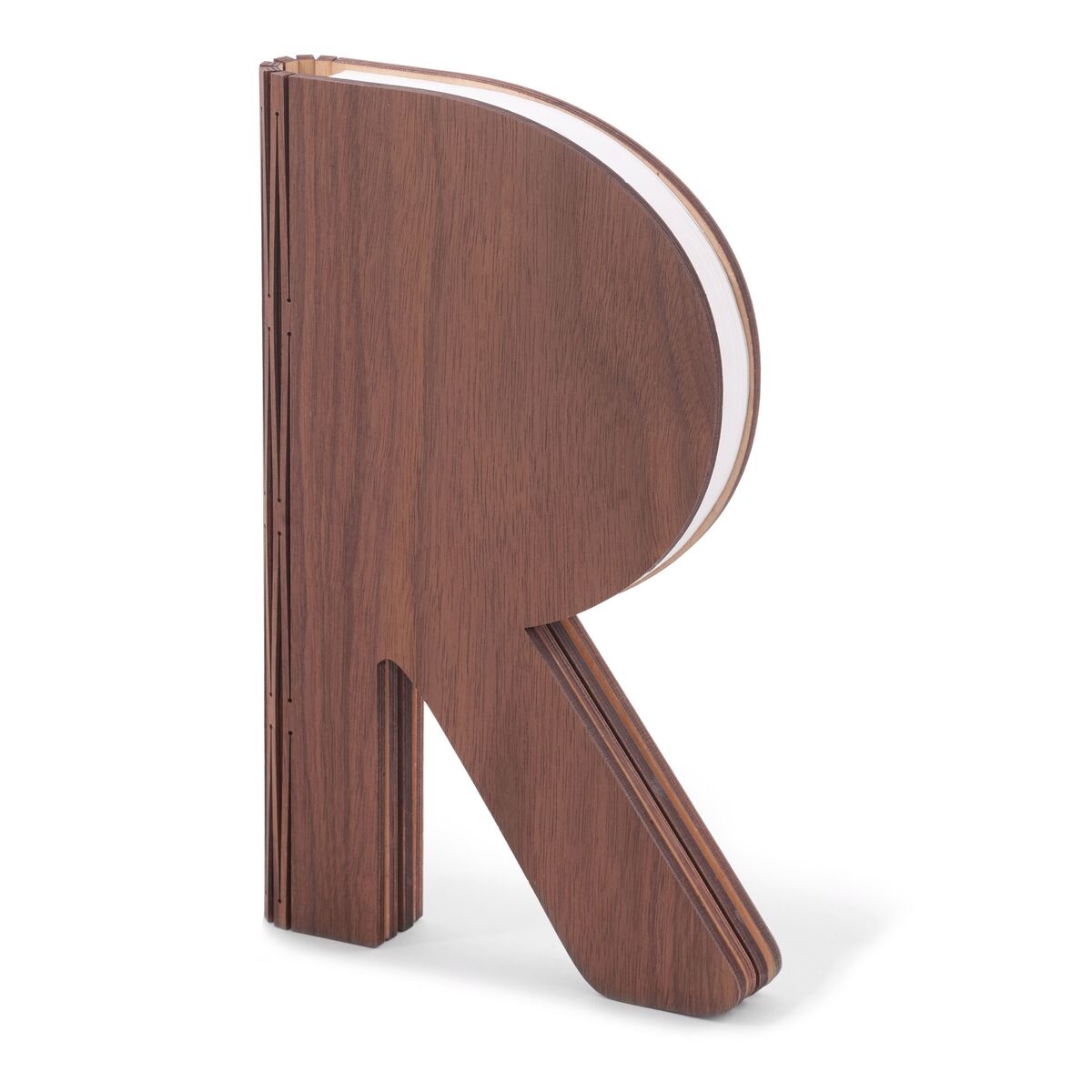
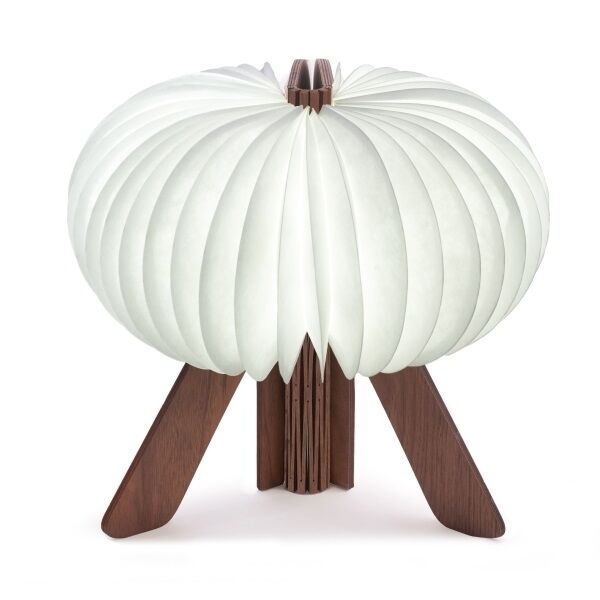
Someone’s had fun developing the R lamp, which begins as a decorative wooden graphic standing on a table, and opens out to become a lamp. Running on a rechargeable battery, making it totally portable, its LED light has four brightness levels to ad-just the ambience to suit your mood. This makes it a good choice for a shared bedroom where one person wants to read while the other sleeps.
■ From Designist, https://shop.designist.ie/ €90.
Kitchen Kit
Each month Tiger launches a selection of products to add a fresh pop of interest to the kitchen. Here’s February’s.
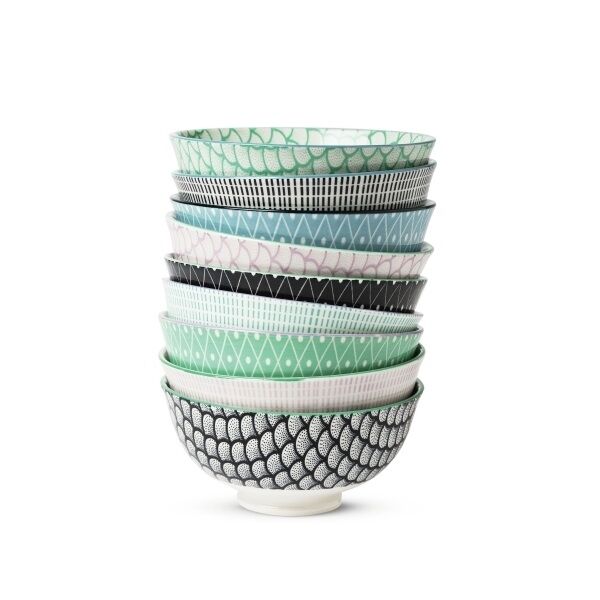
Imagine these little lovelies, for serving soup or cereal , styled with white plates (€3 each).
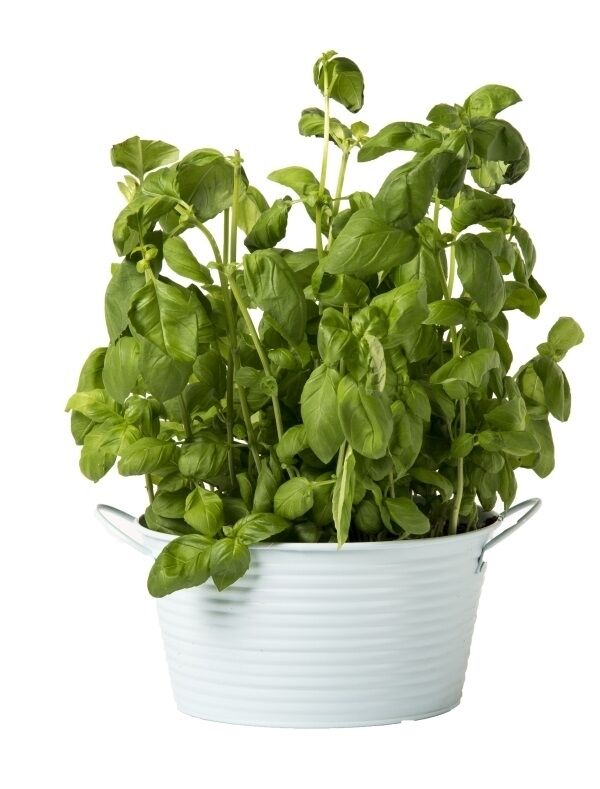
Pick up a trio of these zinc tins to hold basil, parsley and coriander on a sunny kitchen window sill this summer (€3).
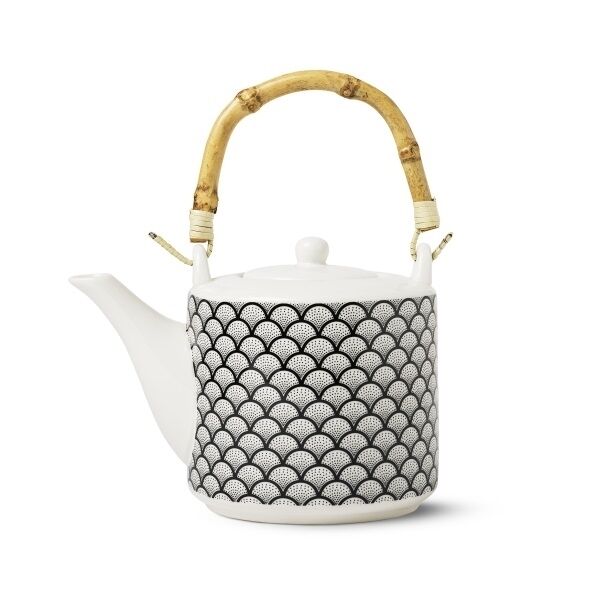
Tea poured from a pot turns a cuppa in to a special occasion. This beauty combines bamboo with contemporary pattern (€8).
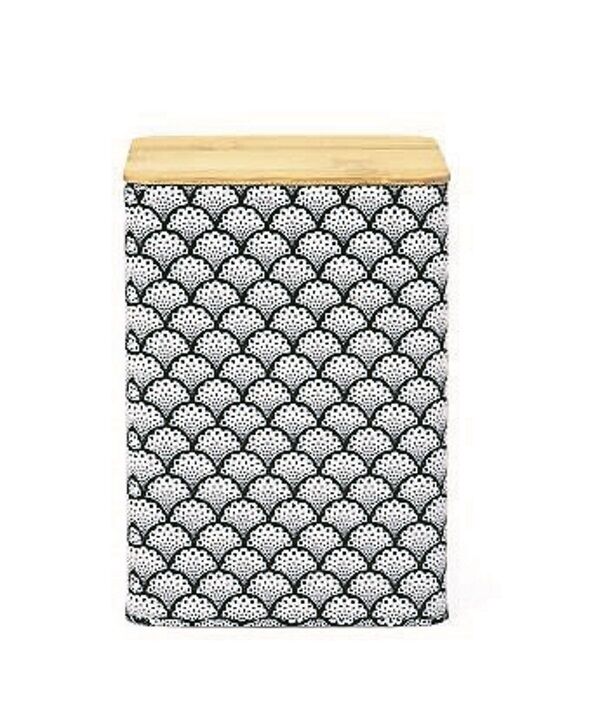
Recycle the cardboard box and pop your teabags into this handy tin and bamboo caddy on your kitchen worktop (€3).
CONNECT WITH US TODAY



Be the first to know the latest news and updates