The glossy ibis invasion continues
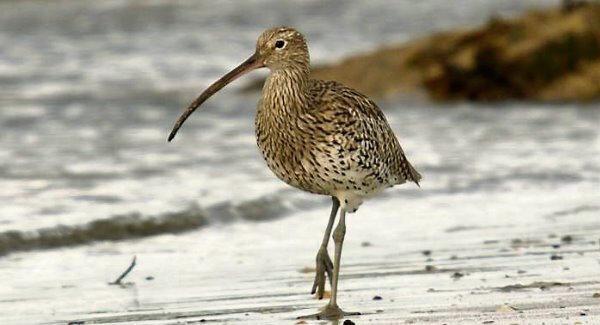
The curlew is in trouble; a BirdWatch Ireland census found only 150 breeding pairs here in 2015-16, a 97% reduction in numbers since the 1980s.
The bird is still common in winter but the ones you see on Irish wetlands are mostly visitors from Britain and mainland Europe.
Keeping an eye out for curlews, you might come across what appears to be a very dark-coloured one, with long legs trailing behind the tail in flight. Don’t be fooled; despite having the characteristic down-curved bill, this isn’t a curlew but a glossy ibis.
On the Outdoors page, some years ago, we speculated that this exotic creature, which breeds in the eastern Mediterranean Africa and the Middle East, might become a ‘regular’ winter visitor here, rather than a mere ‘vagrant’.
Sightings, since then, have been encouraging. According to the latest report of the Irish Rare Birds Committee, about 46 ibises visited us in 2016. They were seen in 12 counties.
The numbers, although slightly down on the 2015 total of 53, are unprecedented. As Colin Barton, compiler of the
report, remarked; “the invasion continues”.
Like elephant’s trunks, the bills of curlews and ibises are touch-sensitive but, despite appearances, the two species are not related. The curlew is a sandpiper, a wader, while the ibis’s closest kin are herons, spoonbills and storks.
‘Glossy’ is an apt name for a creature whose plumage colour changes with the angle of the light; the dark brown iridescent feathers can reflect a purple bluish or greenish ‘gloss’.
The glossy, the most adventurous of the world’s two dozen ibis species, has a nomadic streak; it has established breeding colonies in India, southeast Asia and Australia. Birds breeding in Europe move to Africa in the autumn but recently-fledged youngsters may disperse in other directions, travelling as far north as Iceland and Norway.
Ibises crossed the Atlantic in the 19th century and began nesting in central and north America.
This outgoing disposition seems to have paid off; other, more sedentary, ibis species have not prospered, four of them are deemed ‘critically endangered’ and two have become extinct.
The species has a most distinguished cultural pedigree. The sacred ibis, gleaming white with a black head and neck, is a close relative.
The ancient Egyptians mourned the departure of the life-giving sun each evening. Thoth was the lunar deity, who offered protection and consolation during the night.
The ibis bill resembles a new moon, so the ibis came to represent Thoth. It was mummified and placed in graves with the deceased.
The bird features in other traditions.
“And he sent out a raven, which went forth to and fro, until the waters were dried up from off the earth.” says Genesis. However, there’s a local belief in Turkey that Noah released a bald ibis, not a raven.
In Central America, the ibis is said to be the last wild creature to take shelter when a hurricane strikes and the first one to emerge when the storm has abated.
It’s still too soon to deem the glossy ibis an annual winter visitor to Ireland; there have been flash-in-the-pan ‘invasions’ in the past. Robert Ruttledge, in Ireland’s Birds, noted that “twenty stayed for about ten days in Co Wexford in 1934” and “a remarkable number was seen or shot between November 18th and mid February” in 1945-6.
There were 31 Irish records in 2009.

CONNECT WITH US TODAY



Be the first to know the latest news and updates