A tern for the better
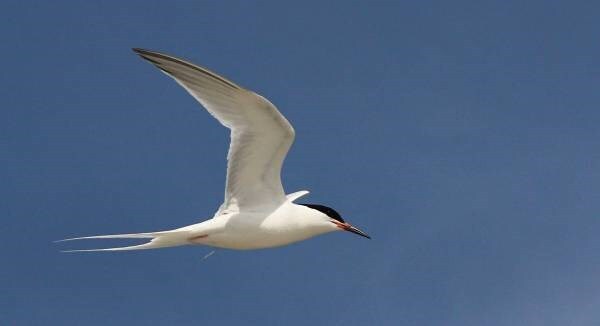
A hugely successful conservation project has seen an Irish island nominated for a major European award, writes .
In 1989, a conservation project on tiny Rockabill Island off north Dublin took flight and now it’s in the running for a major European environmental award.
The Rockabill Roseate Tern Conservation project is the only Irish initiative out of 25 finalists in this year’s Natura 2000 awards, a pan-European award which recognises excellence in the management of Natura 2000 sites.
Led by BirdWatch Ireland, this project focuses on conserving one of Europe’s rarest seabirds, the roseate tern, which owing to almost three decades of monitoring and conservation efforts, is now thriving here.
The Rockabill colony has grown from 152 pairs in 1989 to 1,603 pairs in 2017, making the island a nesting habitat for 47% of the European population.
This year marks the first time that an Irish-born project has been shortlisted for a Natura 2000 award.
Commenting on the nomination, senior seabird conservation officer with BirdWatch Ireland Dr Stephen Newton said that, in the coming weeks, he hopes to drum up support from the public, whose vote determines who will win the European Citizen’s Award.
“We think we have a good project. We have a tiny site with 80% of the biogeographical population of these birds on it,” says Stephen, who coordinates the project which is supported by the National Parks and Wildlife Service and the Commissioners of Irish Lights.

"It’s of phenomenal importance; every bird is ringed, we know each bird’s mother, father, where it was born and what year they were born in.
"We have built a big database of their movements and survival rates and know an awful lot about them. It’s quite unique."
It was the departure of the last lighthouse keepers from Rockabill in the late 1980s that prompted BirdWatch Ireland to step in. Up until then, roseate terns had gained protection and nesting spots in the gardens of the lighthouse keepers and it was feared that their absence may cause the already small population to decline further.
In 1988, Rockabill was declared a Special Protection Area (SPA) and the following year, BirdWatch Ireland sent the first pair of wardens to the island. Since then, wardens have resided on the island annually between April and August.
Much of the work involves increasing the area of nesting space for these ground-nesting birds by removing non-native vegetation such as tree mallow and placing down nest boxes.
“The terns like nesting under tree mallow but only around the edges as they like seeing what is going on around them to avoid predators. We essentially remove all that, compost it and put out nest boxes so that we can get far more terns nesting in the same area,” explains Stephen, who says there are currently about 900 nest boxes on the island.
The wardens check each nest daily to monitor the bird’s progress, see how many eggs were laid and when they hatch. All of the chicks are then ringed and monitored throughout their lifespan.
We have four or five hides around the tiny island and we sit in those for a couple of hours at a time to scan and try to read ring numbers of as many animals as we can. Because of this, we have a lot of information on the birds and how long they survive. Our oldest bird is 25 years old.
The ringing system also allows the team to track the whereabouts of the terns post breeding season; occasionally, they receive photographs of them in unexpected locations such as Lake Geneva and the River Seine.
It’s uncertain why the European population of roseate terns declined to globally-threatened status in the years preceding this project.
According to Stephen, it’s likely that persecution by predators and loss of key breeding sites resulted in birds becoming displaced and not breeding for several years. While many of them eventually settled on Rockabill, there are also about 200 pairs at Lady’s Island in Wexford.
Though it has been hugely successful, the Roseate Tern project is not without its challenges. Stephen says that the main hurdle he faces is looking after the wardens who reside on Rockabill in accommodation leased from island owners Irish Lights.
“The main thing is keeping those people alive during these few months! Everything has to be taken out to the island, including food, water, gas and diesel.
"I have to keep a generator running and often I get a call during the night to say it isn’t working. If I can’t fix it over the phone, I have to get out there as soon as I can as we need electricity to power laptops and chargers.”

Ensuring that the project has adequate funding is another challenge; at present, it costs approximately €40,000 a year, much of comes from the EU LIFE programme.
While not involved in the project himself, bird expert Eric Dempsey has been following the work and says it’s an “incredible attraction” for birdwatchers on his guided tours.
“Very few of us are able to go to the island which is the way it should be. Terns are very prone to disturbance; if you disturb them from nesting, gulls can swoop in and take their eggs,” he explains.
“The wonderful thing about this project is that in places like Skerries, the birds are feeding right off of the piers and coastal walkways so I don’t need to bring people to the island.
For people to be able to see the roseate tern catching fish 20 metres off shore, it’s as good as seeing Trinity College or the Rock of Cashel.
“This is unique to Dublin and special to the east coast and we should cherish it.”