Nature Table: Elder
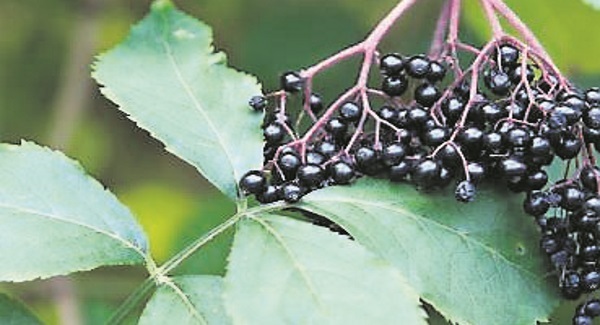
In mild areas, the leaves, which have a central stalk with five to seven pinnate leaflets, are fully formed by late February or early March. This is an adaptation to allow a small tree in a woodland situation to gather light before the canopy forms overhead.
Today, although elder is found in some mixed and deciduous woodlands, it’s commoner in hedgerows and around farmsteads. The flowers appear in creamy, fragrant umbels in early summer and are a valuable source of nectar for winged insects.
They ripen into clusters of purple berries which are popular with birds. Both the flowers and berries can also be used to make various cordials, alcoholic drinks and preserves. The seasoned timber from mature trees makes excellent fire logs while the hollow stems of the young shoots have traditionally been used by children to make peashooters and other toy weapons.

CONNECT WITH US TODAY



Be the first to know the latest news and updates