Nature Table: Wild cherry
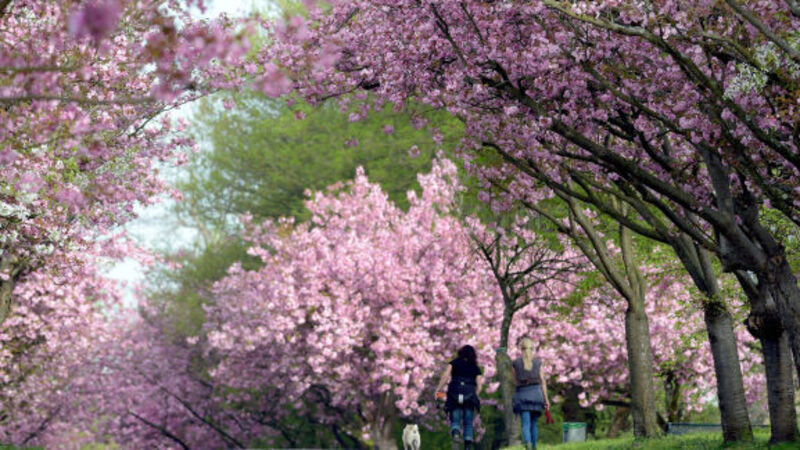
The tree itself is widely, though sparsely, distributed round the country in hedgerows and some mixed woodlands. It’s normally quite small, though exceptional specimens can exceed 25m, and has a tendency to produce root suckers which means that it often forms groves of genetically identical individuals, particularly in a woodland situation. Small root suckers can be dug up and transplanted and the tree can also be propagated from seed.
The fruit is a bright red cherry about 1cm in diameter which is excellent to eat but it’s very popular with birds, particularly blackbirds, and they usually get them first. There’s some archaeological evidence to suggest that they were widely collected for human consumption in the past. The hard, red timber takes a fine polish and has been used for making furniture. A second native species, the bird cherry, is smaller and much rarer.


CONNECT WITH US TODAY



Be the first to know the latest news and updates





Revoiced
Newsletter

Sign up to the best reads of the week from irishexaminer.com selected just for you.
Property & Home
Newsletter
Sign up for our weekly update on residential property and planning news as well the latest trends in homes and gardens.
Lunchtime News
Newsletter
Keep up with stories of the day with our lunchtime news wrap and important breaking news alerts.

Most Read
Sunday, April 5, 2026 - 1:00 PM
Sunday, April 5, 2026 - 4:00 PM
Sunday, April 5, 2026 - 2:00 PM