Nature Table: The raven
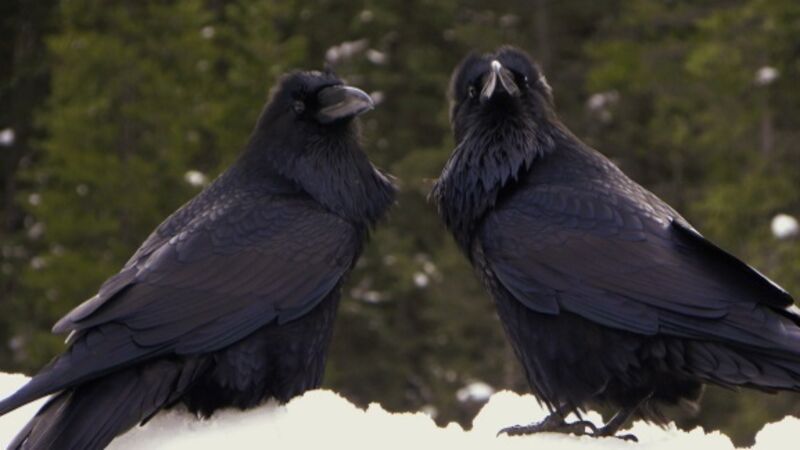
A generation ago these nests were largely restricted to sea cliffs and remote mountain precipices. However, ravens have done well recently, increasing in numbers and expanding their range. This means they have been forced to diversify their nesting habits and tall trees are now commonly used.
There are no recent census figures but there are certainly over 2,500 breeding pairs in the country. They are huge birds, shiny black when they’re mature. In flight the wedge-shaped tail and broad wings with distinct primary ‘fingers’ help in identification but their presence is often signalled first by their loud, low-pitched croak. Their diet is quite varied but they eat a lot of carrion and the reason they are increasing in numbers is largely because it’s now illegal to leave out sheep carcasses laced with poison.
CONNECT WITH US TODAY



Be the first to know the latest news and updates