Decluttering is not just about a tidy house
There is a shade of blue to suit everyone in this book, from electric blue to powder blue. Unlike other books on the topic, it’s not entirely devoted to the beachside Cape Cod look or the Moroccan-style, Yves St Laurent garden, although they are mentioned.
Instead, the author looks at a wide range of achievable home styles, focusing, for the most part, on where blue can be introduced into white décor, and where it doesn’t necessarily have to involve the huge commitment of expenditure on furniture, but rather table settings, bed linens, kitchen wares and those smaller items that so clearly reflect our personalities and off-trend tastes.
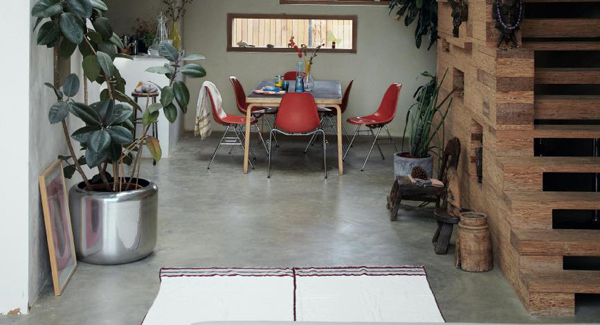
‘Bohemian Chic’ might have been a more accurate title for this book, as there’s not a sign of the homemade batik textiles, or furniture made from wooden pallets, that are associated with bo-ho style.
Rather, the book reflects the shift towards home interiors as a reflection of the things we love and treasure regardless of fashion. It’s not afraid of anything: not colour, nor shabby hand-me-downs. It celebrates things you were given when you first set up home, which you were bequeathed or have collected over time.
Equally, it’s about modern items and a mixture of old and new, but, more importantly, it’s about timelessness and surrounding yourself with what you love and how it tells your story, but in a chic way, with thought to styling.
Yes, indeed, it’s a book for the home-interior product magpie, but it’s also a solid guide for anyone looking to blend old and new pieces and flea-market finds, and explained through the author’s personal experiences.
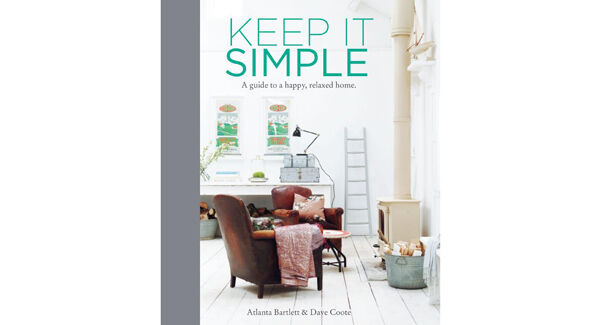
More about a way of living than an interior décor style, this book is divided into three sections: ‘The Simple Mindset’, which encourages you to think about the sort of home you’d like to create; ‘Making It Happen’, which navigates everything from the practical to finishing touches; and ‘Living The Dream’, where, room by room, there’s an exploration of ideas and suggestions to get the space that’s right for you.
For such a pretty book with a strong emphasis on pictures over text, it’s surprisingly practical and deals, in inventive ways, with very simple things, as the title suggests, like textiles and displaying flowers from the garden.
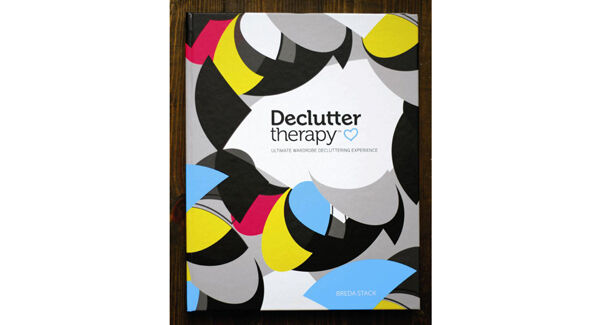
With the upsurge 20 years ago in interest in the Chinese art of feng shui, decluttering became the in-thing in home interiors. It was more about tidiness and order, and less about decluttering as an ancient holistic practice that can have mental and emotional benefits.
Declutter Therapy, written by the founder of Ireland’s ‘National Decluttering Day’, promotes the idea of decluttering to feel good, and encourages us to get rid of things we neither love nor need.
Much of the book focuses on the wardrobe, which tends to be a significant problem area for women in particular — a pair of jeans might be kept in the hope they’ll fit again some day, but in the meantime are a reminder of recent weight gain; or a dress worn during a relationship that ended badly and as a result carries negative associations.
Step-by-step you’re guided through the de-cluttering, from preparation to implementation and to continuing it as a habit, including how to shop in future.
Beautiful and inspiring as a publication, Declutter Therapy is fundamentally practical, and acknowledges that while it may be necessary to hire someone to declutter for you, or with you, initially, if you don’t get to grips with the practise and build it into your life, you’ll be calling them again in a couple of years, when you’re back to square one.
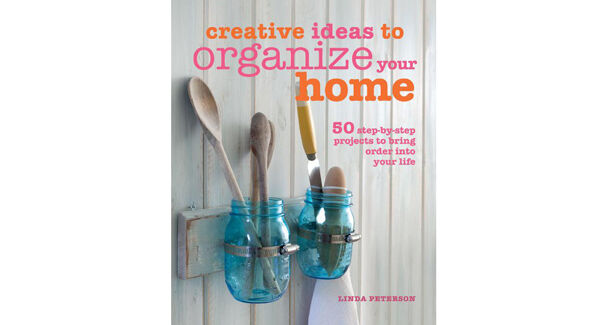
Ever thought about turning a kitchen grater into a jewellery stand, or up-cycling old baking tins into a storage rack? Writer Linda Peterson has done just this, insisting she’s not a professional organiser, but a professional creative craft-maker whose surroundings get messy.
Her response was to come up with 50 ideas that work for her. The focus of the book is small-scale storage solutions, with an emphasis on reinventing things you might otherwise throw out, once they’ve served their usefulness.
So, for the person who wants to bring order to drawers — baby food jars are the way to go, it seems — Peterson’s approach involves little or no expense and a result that is as aesthetically pleasing as it is useful.
*
CONNECT WITH US TODAY



Be the first to know the latest news and updates