Converting a space into a living garden
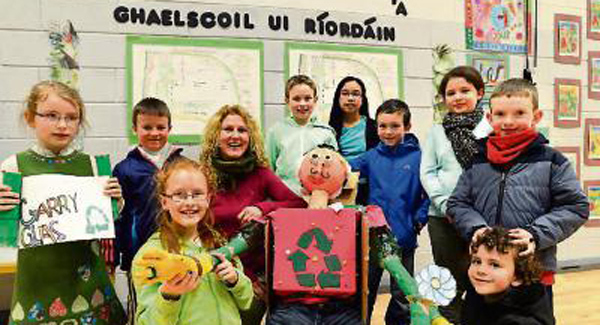
Kitty Scully outlines the many benefits of community and school gardens.

Converting a space into a living garden

The process of converting a space into a garden for growing flowers and food is a fundamental step in creating a pocket-sized place of natural beauty. But developing a garden creates more than just natural beauty.

Are they not also prime places for learning about nature, seasonal cycles, healthy eating, eco-systems and the natural environment?

So it makes sense that every school grounds should have one, right? School gardens are not a new concept and are widespread in the US and UK, having featured in parts of Europe as early as the 19th century with word of their many merits far preceding that.

Organisations such as Kerry Earth Education Project (KEEP) and individuals such as the esteemed environmentalist and educator Paddy Madden have been advocating the need and the benefits of school gardens in Ireland for years.

The general consensus then and now is that nature and specifically practical gardening provides lots of scope for learning and has the potential to create a ‘living classroom’ out of the most sterile environment.

And let’s face it, lots of new schools are often planned and built with a key focus on buildings, non-native low maintenance plants and car parking spaces rather than organic vegetable gardens, native hedgerows and other areas of biodiversity within the grounds.

The benefits of school gardens are multifold for children, teachers, schools and the wider community. They can be used to implement many strands of the curriculum and are one of the best ways to provide children with hands-on experiential learning.

School gardens particularly solidify science subjects increasing botanical knowledge and an awareness of soil life, soil fertility and the significance of pollinators, life cycles, composting and the web of life. Visual and language arts come to life through close observation, drawing, writing, learning plant names (common, botanical and Irish), and the creation of scarecrows, tepees and signage.

History and heritage becomes more tangible by growing plants and crops of significance. For example, including a crop of the potatoes that famously failed in the Great Famine, ‘Lumper’, is a great way of communicating history and heritage through plants as is seed saving and growing heritage apple trees.

In an era of fast food and increasing obesity levels, school gardens give children the opportunity to learn where food comes from, how it grows and the value of good fresh food and healthy eating.

It goes without saying that children who grow vegetables are more likely to eat vegetables and enjoy plenty of fresh air and exercise in the process.

School gardens also bring mathematics outdoors where the often shudder inducing subject is applied rather than just being theoretical.

Students have an opportunity to measure spaces, plan beds and calculate the number of plants required for each bed based on specific plant spacing requirements etc.

Bigger global issues can also be discussed using a school garden as a benchmark and depending on the age group there is plenty of scope for philosophical and ethical debates on issues such as Food Miles, Carbon Footprint, Fair Trade, Climate Change, Peak oil etc.

A school garden is a positive local action and thus is contributing to global action. On a social level, school gardens inspire children to foster a sense of pride, ownership and responsibility for the school in unison with their teachers and in turn allows everyone work together, share the workload and the rewards.

So the case is strong for every school in Ireland to have an outdoor classroom in the form of a school garden in order to grow great students.

More in this section

Revoiced

Newsletter

Sign up to the best reads of the week from irishexaminer.com selected just for you.

Cookie Policy Privacy Policy Brand Safety FAQ Help Contact Us Terms and Conditions

© Examiner Echo Group Limited