Nature Table: Short-eared owl
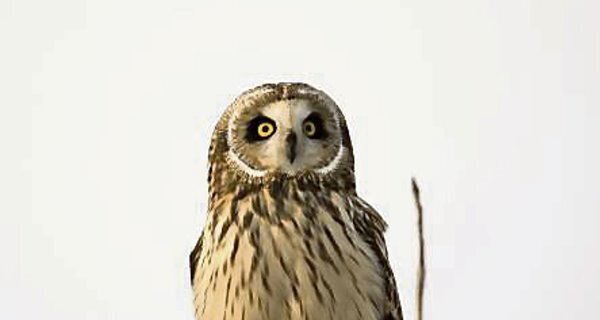
Some interesting facts you may not have known about the short-eared owl.

Nature Table: Short-eared owl

Short-eared owls occasionally breed in Ireland, but the majority are winter visitors from northern Scandinavia and northern Russia. There are few trees in their summer range and that’s the landscape they prefer here — bogs, uplands, rough pasture or sand dunes.

They are more visible than other owl species for two reasons: firstly, they hunt during daylight, though they prefer dawn or dusk; secondly, they spend much of the day roosting on the ground, in heather, rushes or even down rabbit-holes, and fly away when they’re disturbed by walkers or dogs.

They prey on a range of birds and small mammals and even on larger insects. Studies suggest that small wading birds are their main target at coastal sites, but that small mammals, particularly young brown rats, predominate at inland sites.

Although they have different habits to long-eared owls, they look very similar. The ear tufts are often invisible, but the short-eared owl’s golden-yellow eyes are distinctive.

x

More in this section

Revoiced

Newsletter

Sign up to the best reads of the week from irishexaminer.com selected just for you.

Cookie Policy Privacy Policy Brand Safety FAQ Help Contact Us Terms and Conditions

© Examiner Echo Group Limited