Vintage View: Advise on buying once and buying right
When buying used, vintage or truly antique objects, it’s vital to know when the scars simply run too deep to cheer the piece up for use or display.
I tied an enormous creaking church screen to the roof of my car, bouncing it home from Waterford accompanied by tense assertions to my annoyed spouse that it was a sacrilegious steal at only €30.
To be honest, we had arrived late and this piece was 300 yards away shyly visible at the back of the room —I had not even touched it. To paraphrase Gay Byrne, the woodworm were holding hands or rather straining at their iridescent finger tips. It collapsed domino style in a foggy ‘poof’ in an outbuilding a year later. Not viewing nose to the very surface of a thing is an expensive piece of education. I never made that mistake again.
That said, for some collectors, honest wear and I mean tottering on the edge of outward ruin is still acceptable if the item has some structural integrity or is seriously rare (where all normal tenets of condition are up for discussion).
Early Steiff teddy bears can be bald, pulled, gutted and blind, and still be highly valuable.
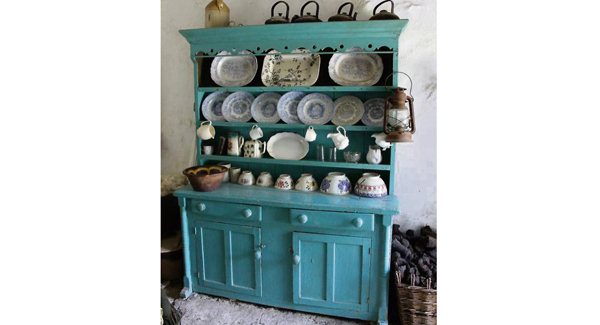
Recently, I saw a small Irish dresser ‘in the paint’, its simple plank feet battered and lightly rotted by a hundred thousand belts of the brush and soakings of the uneven flag floor on which it stood.
Measled in old worm, dulled in hazardous lead paint and with ragged bites to the pediments and shelf brackets, it was everything a lover of early Irish pine looks for.
The point was, it was still usable once the paint flaking was stabilised, solid as a rock through the joints. Not rotten through, most timber furnishings can be saved if you throw enough money at them in appropriate restoration by hands who know where to proceed or leave ‘as is’.
The refreshing of a finish is a debate that rages on, but I like many others, recoil at diamond bright French polishing to just about anything.
The Dummies Guide to Antiques uses the old acronym RADAR, Rarity, Aesthetics, Desirability, Authenticity, and Really great condition. I would swap out the Rarity to the Really great condition in the equation, as most of us are buying middling things in the market.
Glass is really never salvageable. One chip, chunk, crack, even a flea bite where other pristine examples of the piece are plentiful, will decimate its value.
Buyers expect Roman glass to be perfect, dug out of the ground and on the other side, there are strange, vague people who wash their antique glass vigorously in the dishwasher for extra sparkle — etching its surface forever.
There’s a French boatload of damaged Lalique and Daum on Ebay if you just want something to examine and poke to the back of your collection for sheer decoration and occasional reference. Don’t pay much for them no matter what the sage wording in the listing.
Ceramics are slightly different, but any restoration does alter the piece to a restored state. This may be acceptable for say, a really good piece of 18th century porcelain, and shattered examples of early Staffordshire and Sevres have been brought back to fabulous new life with rebuilding and remodelling.
The work becomes part of the item’s history and should be reported in writing to any buyer.
Later, everyday ware, even Art Deco items should be as close to the condition they left the studio or factory, including the condition of any painted or print decoration. Time is something that you cannot re-gift, and we’re talking here of decades even centuries of oxidation and change.
A common example of accidentally inflicted damage is the polishing of bronze. You find a lovely statue at an auction, but it seems rather blackened and dreary.
Out comes the Brasso, and a cheerful afternoon of tennis elbow later and streaming metres of kitchen towel, it’s come up in a lovely mottled shiny finish.
The original patina applied by the artist or foundry and an aesthetic integral to the statue that would have become even more interesting with exposure to the air has gone, and the value of the piece can be more than halved.
A light washing in pure soap and water was all that was really needed. The shorthand lesson here is to learn as much as possible about the type of thing and the materials you are interested in, before purchasing or rudely cleaning something up.
Be honest about condition with a full examination, followed by verbal advice or virtual research (I prefer both), leaning on experienced, qualified professionals not forked-tongued online vendors.
If you are not happy to live with something in its authentic wounded state but have to have it, factor in the considerable cost of restoration that would make something suitable, safe and attractive enough for admission to the house.
Some decisions are made by the heart not the head — but these invalids still take up room.
Do yourself a favour and stick to inexpensive smalls you can take to the shelves.