Go wild in the garden, it’s natural
Not all insects are bad; far from it, and practically every living thing in the wild has a natural predator. Wildlife gardening is all about working with the balance of nature, says the Irish Peatland Conservation Council (IPCC), which also offers useful tips. The idea is to enhance your garden to attract a range of wildlife, including birds, insects, frogs, hedgehogs, butterflies, native wildflowers, plants and trees. In short, wildlife gardening involves working with nature to create a space for our native wildlife. On a personal note, beautifully-speckled thrushes are welcome regular visitors.
Wildlife gardening, once established, requires minimum maintenance, according to the IPCC. Giving a key bit of advice, it says the aim should be to have as many different types of native flowers and trees, insects and birds, and then you can sit back and relax while nature takes care of itself.
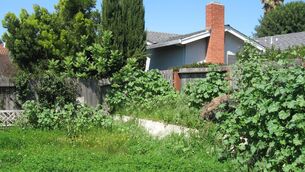
Many people like lawns and gardens to be perfectly mown, trimmed, and free of weeds and wild vegetation. But you can still have a nice garden and leave places aside for wildlife, in the margins or discreet corners.
Every so often, experts warn of threatened and disappearing species, but each of us can help nature, literally on our doorsteps. Both plants and beneficial pests will flourish and, with a healthy food chain, the more harmful creatures can be kept at manageable levels. For example, ladybirds feed on tiny insects that suck juice from plants, while frogs and birds eat slugs and snails.
Everyone loves birds in their gardens and they are attracted to berry-bearing plants in winter. Other favourites with birds are natives like hawthorn, honeysuckle, rowan, and sunflowers. Also, people can avoid using herbicides by hand weeding, applying mulch, or using good ground cover. A water feature is always a winner and it can encourage frogs and other wildlife which will feed on bugs and snails. Dragonflies will often breed in such features and many birds may use them.
The BBC wild gardening website is also very helpful and it points out that allies far outnumber the insect pests in our yards and gardens. Bees, flies, and many moths help gardeners by pollinating flowers; predatory insects eat pest insects; parasitic insects lay their eggs inside pests, and the larvae that hatch weaken or kill the pests; dung beetles, flies, and others break down decaying material, which helps build good soil.