Insects having a field day
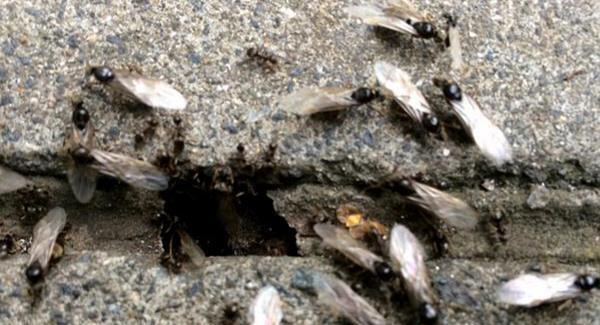
A colleague who took a strimmer to an overgrown section of his garden the other day got the fright of his life. In his own words, he was almost eaten alive by a swarm of all kinds of insects which attacked him with fury.
But, you don’t have to go cutting or removing vegetation to feel the pain. These often hidden creatures will come after you without provocation, even if you’re just walking outdoors. We have more than 10,000 insect species in Ireland and many are so small we can’t see them.
Even the common flea, which can bite nastily, is having a ball this summer. Fleas come in many species and are a problem in some homes, especially those with dogs or cats. While fleas can transmit disease, it is very rare in Ireland. The main concern is their bites — they pierce the skin to feed on blood.
Dr James Logan, of the London School of Hygiene and Tropical Medicine, believes Ireland may have become warm enough to attract mosquitoes, like the Asian tiger mosquito, that have the potential to spread diseases. At the same time in Europe, the Asian tiger mosquito and other troublesome mosquito species could rise in numbers with the warmer climate.
A survey of 200 Irish adults by Anthisan Cream last summer, when the weather was also insect-favourable, found 50% of them had noted an increase in biting and stinging insects and a third were avoiding outdoor activities such as eating al fresco or playing with their children as a result.
And ubiquitous midges seem to have taken over, in the evenings especially. They like still, warm humid temperatures, and thrive in inland mountainous areas and woods and beside rivers and streams. These tiny little devils like to gorge on everyone they see. Experts tell us only the pregnant midge bites as they require a good feed of blood before they can lay their eggs.
Dr Logan advises victims to avoid scratching as this will make the bites more irritated. Use a suitable repellent.
Wasps, honeybees and bumblebees can all sting and it is wasp stings that are most common. A wasp can easily deliver multiple stings.
Bumblebees rarely sting humans, and it is only the female ‘worker’ who will sting if bothered. Honeybees also only sting in self defence.
Be careful out there.


CONNECT WITH US TODAY



Be the first to know the latest news and updates