Vintage View: Antiques and vintage pieces
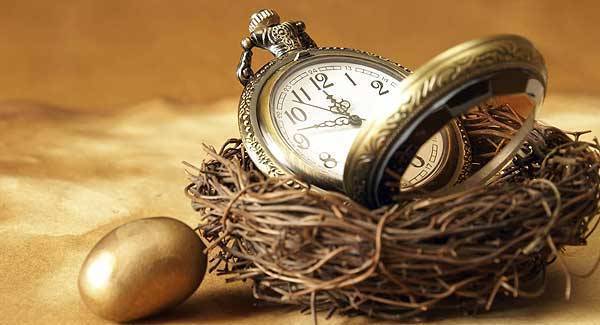
WITH the markets of every kind so reactive, it doesn’t seem unreasonable to consider taking a chance on your own eye and building up a collection of objects that might some day realise more than you paid for them. So, what about antiques and vintage pieces? You can’t sit on your traditional pension plan or use it to decorate the house — it’s just paperwork and payments. Putting some cash into investment pieces you can enjoy chasing down, live with and love — is it worth a try? As a medium to long-term investment with low liquidity only proceed with money you can afford to lose.
Like all markets and all areas of décor especially tastes change. The realised sale price for things goes up and down in the antiques and collectables world. Chinese collectors are buying back 18th and 19th century export wares in ceramic their parents would formerly have ignored. New areas open up, older collectors pass away leaving a new generation whose interiors styling and material obsessions may be quite different. The time you need or want to sell may not be the moment the market for that thing is at its height. Put aside the idea of a gilt-edged guaranteed return, and make this as well calculated a risk as possible. We’re not talking about a highly rare museum quality Art Deco sculpture or Liz’ Taylor’s pear-shaped diamond, but middle-of-the-road pieces most people with a reasonable income could afford.
¦ Take advice. Buy from a reputable source and always ask for a written receipt stating exactly what the piece is (not ‘style’ of, or ‘in the manner of ’) but exactly in name and date. Join a collector’s club to flesh out your experience before you put your foot through the door. Dealers are there to make money not hand you a ridiculous bargain. I like a front door on the high street, a landline and membership of the Irish Antique Dealers Association. www.iada.ie.
¦ Collect things you love. Being suitable interested, you’ll have done your research, and are less likely to tolerate reproductions, damage and lesser examples. You may not realise a profit for decades. Investing money takes up no space past a sheaf of statements and ongoing emails. Larger furniture and other aged accessories do.
¦ Avoid over-restored ‘bright’ furniture. It might look better against those newer surfaces at home, but Georgian and even Victorian pieces can be robbed of a valuable patina by over-zealous attention. Bronze should not be polished for example. If it’s a structurally sound 18th glory leave it alone or get specialist advice from the most qualified, rabid conservator you can find.
¦ Find out what things really sell for. One tool I’ve found in my mid-century collecting is the ‘Completed Listings’ button that appears on all search pages on eBay. Look up an item and instead of reading off what is being asked for by the vendor, look at what that sort of item is actually realising. Many auction houses publish individual results online.
¦ Don’t fudge costs. Include the auction fees, VAT and delivery charges (including your flight and Nutella crepes if you’ve dashed off to Paris to pick up that Sevres parrot). Buying is so much easier than selling, and making a margin when you sell takes a retailer’s experience. You’ll be paying a seller’s premium if the piece sells back on the auction floor. Would you still want to buy it if you lost money or just broke even on your investment in five years time? If yes then go ahead.
¦ Take care of your collection. Include considerable investments separately on your home insurance, and in the case of silver or expensive jewellery secure it as home or in the bank. Your insurer may ask for a recent valuation. Each piece should be photographed from all sides, including any identifying marks such as Hallmarks (the macro setting on a digital camera should handle that adequately).
¦ If it seems too good to be true, run. The rate of exchange of information on the Internet, through television shows and well honed antique guides, has led to much greater transparency and reach in the world of antiques and collectables. It’s unlikely a real treasure will get past the full time vintage hunter. You’re more likely to secure that special something at just below its market value than find a complete steal.
Find your threshold based on current prices being achieved and be prepared to wait out a profit for several years.
VINTAGE VIEW
Thinking of investing in some works? Here are some useful tips, writes Kya deLongchamps
WITH the markets of every kind so reactive, it doesn’t seem unreasonable to consider taking a chance on your own eye and building up a collection of objects that might some day realise more than you paid for them. So, what about antiques and vintage pieces? You can’t sit on your traditional pension plan or use it to decorate the house — it’s just paperwork and payments. Putting some cash into investment pieces you can enjoy chasing down, live with and love — is it worth a try? As a medium to long-term investment with low liquidity only proceed with money you can afford to lose.
Like all markets and all areas of décor especially tastes change. The realised sale price for things goes up and down in the antiques and collectables world. Chinese collectors are buying back 18th and 19th century export wares in ceramic their parents would formerly have ignored. New areas open up, older collectors pass away leaving a new generation whose interiors styling and material obsessions may be quite different. The time you need or want to sell may not be the moment the market for that thing is at its height. Put aside the idea of a gilt-edged guaranteed return, and make this as well calculated a risk as possible. We’re not talking about a highly rare museum quality Art Deco sculpture or Liz’ Taylor’s pear-shaped diamond, but middle-of-the-road pieces most people with a reasonable income could afford.
¦ Take advice. Buy from a reputable source and always ask for a written receipt stating exactly what the piece is (not ‘style’ of, or ‘in the manner of ’) but exactly in name and date. Join a collector’s club to flesh out your experience before you put your foot through the door. Dealers are there to make money not hand you a ridiculous bargain. I like a front door on the high street, a landline and membership of the Irish Antique Dealers Association. www.iada.ie.
¦ Collect things you love. Being suitable interested, you’ll have done your research, and are less likely to tolerate reproductions, damage and lesser examples. You may not realise a profit for decades. Investing money takes up no space past a sheaf of statements and ongoing emails. Larger furniture and other aged accessories do.
¦ Avoid over-restored ‘bright’ furniture. It might look better against those newer surfaces at home, but Georgian and even Victorian pieces can be robbed of a valuable patina by over-zealous attention. Bronze should not be polished for example. If it’s a structurally sound 18th glory leave it alone or get specialist advice from the most qualified, rabid conservator you can find.
¦ Find out what things really sell for. One tool I’ve found in my mid-century collecting is the ‘Completed Listings’ button that appears on all search pages on eBay. Look up an item and instead of reading off what is being asked for by the vendor, look at what that sort of item is actually realising. Many auction houses publish individual results online.
¦ Don’t fudge costs. Include the auction fees, VAT and delivery charges (including your flight and Nutella crepes if you’ve dashed off to Paris to pick up that Sevres parrot). Buying is so much easier than selling, and making a margin when you sell takes a retailer’s experience. You’ll be paying a seller’s premium if the piece sells back on the auction floor. Would you still want to buy it if you lost money or just broke even on your investment in five years time? If yes then go ahead.
¦ Take care of your collection. Include considerable investments separately on your home insurance, and in the case of silver or expensive jewellery secure it as home or in the bank. Your insurer may ask for a recent valuation. Each piece should be photographed from all sides, including any identifying marks such as Hallmarks (the macro setting on a digital camera should handle that adequately).
¦ If it seems too good to be true, run. The rate of exchange of information on the Internet, through television shows and well honed antique guides, has led to much greater transparency and reach in the world of antiques and collectables. It’s unlikely a real treasure will get past the full time vintage hunter. You’re more likely to secure that special something at just below its market value than find a complete steal.
Find your threshold based on current prices being achieved and be prepared to wait out a profit for several years.
CONNECT WITH US TODAY



Be the first to know the latest news and updates