DIY spuds are the ace of spades
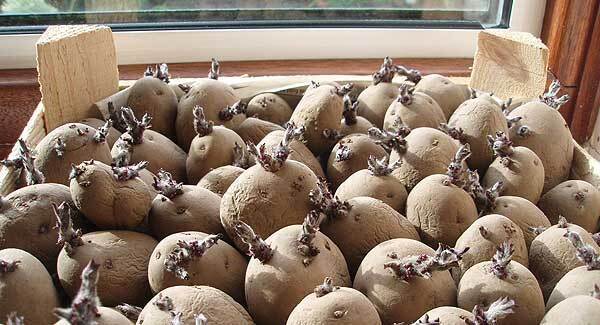
Soil needs to be sufficiently dry before it can be worked and once this happens beds should be prepared and first crops planted into the ground, which in Ireland, traditionally, is first-early potatoes. Early potatoes, sometimes referred to as ‘salad potatoes’ due to their waxy texture and thin skins, are a winner for many reasons as they are fast growing and are usually out of the ground before blight season hits.
Depending on the weather and when you get planting, you could be harvesting the first of your spuds as early as late May. First earlies are also a great starter crop for breaking up new and heavy ground, suppressing weeds and leaving soil in a good friable condition for following on with more delicate veggies. The only downside to growing potatoes is that they do take up a lot of space in respect of the economic value of their yield and they will need to be rotated on an annual basis. Traditionally, first earlies were, and still are, planted in Ireland on St Patrick’s Day and the age-old method of growing them was by building a lazy bed, a method that involves converting grass covered ground into a planting plot. Based on my own personal experience I can safely say there is nothing lazy about these lazy beds. Interestingly both the style and tools used to make lazy beds differ from county to county and my friend and former teacher, Jim McNamara of The Organic College in Dromcollagher recommends the following:
¦ 1. Mark off a long strip of strimmed or mown grass/ lawn about 1.2 metres (4 ft) wide with a string.
¦ 2. Cover the area with a thinnish, 3 inch layer of manure or garden compost.
¦ 3. Using a very sharp spade, carefully slice out a series of rectangles of grass-sod about 8inch (20cm) in length, which should flip upside-down onto the manured grass. Try not to break the ‘hinge’ , which is the point where the grass is flipped over on itself. This creates a narrow furrow or trench either side of the bed, about 8 inch (20cm) wide.
¦ 4. Next place your potatoes about a foot (30cm) apart. Equidistant staggered spacing or leg-of-the-pot planting style works well. Place your spuds in between cracks of the sods.
¦ 5. Then cut a few more sods from your trenches to finish covering the seed potatoes in the middle of the bed.
¦ 6. Cover all with loose soil and ensure no spuds are exposed to light. The sods will quickly rot down into soil and you will need to earth them up in a few weeks, but you should be enjoying fresh home-grown tasty early spuds in about 10 weeks.
In my opinion, there are certainly lazier ways to plant potatoes. The new trend of growing them in bags is a viable alternative for those with small gardens, patios and balconies and is the perfect way to escape back breaking digging and wasting lots of ground, yet still enjoying the buzz of harvesting first earlies. Reusable potato planting bags can be bought in all garden centres but it it’s not complicated to simply recycle and make your own.
Any strong canvas style shopping bag (approximately 40 litres capacity) with a few drainage holes cut in the bottom will suffice. Fill the bag two-thirds full with a mixture of soil and good garden compost or well rotted manure.
A bag this size will take about 5 tubers which are placed into the compost at equal spacing. As the haulms and stems grow, the bags will need to be continually topped up with compost. The greatest tip to growing potatoes bag-style is to ensure compost is maintained moist at all times but not absolutely saturated.
As the potato plants mature and in some cases flower (important to note that not all varieties flower), increase watering. Adequate watering will encourage tubers to swell. Simply empty the bag and reap the rewards and savour the flavour of your own salad spuds.
Sow hardy annual flowers such as calendula, nasturtiums and borage indoors. These will make ideal companion plants in your patch later in the season, attracting beneficial winged insects JOBS: Make sure to have seed compost and trays to the ready because April is fast approaching and this is the month when most kinds of vegetable can be sown.
CONNECT WITH US TODAY



Be the first to know the latest news and updates