Healthy soil vital to crop growing
St Patrick’s Day generally heralds the start of the Irish growing season and as this growing season kicks off, it’s paramount to have a good soil fertility plan in place and access to suitable soil amendments.

Healthy soil vital to crop growing

Soil nutrient losses are constant in a vegetable garden and generally occur due to cultivation practices and the harvesting of crops.

To combat losses, the ideal strategy for us gardeners is to continually replenish the soil. In the ideal world, gardens should be self-sufficient cutting out the need to buy expensive inputs.

However, in the real gardening world, this is often easier said than done so thankfully there are lots of soil-improving products which are easy to find and easy to transport. A fertility management plan for any home vegetable grower should include:

APPLICATION OF MANURE

Farm yard manure is vital for improving soil structure and maintaining nutrient needs as it contains high levels of phosphorous and potassium.

Well-rotted manure should be incorporated into top 20cm of soil on selected areas in spring. Beds where heavy feeders such as potatoes are to be grown should receive a generous manure application and this can be exploited afterwards by less-demanding crops following in the rotation. Manure can be sourced by making friends with local farmers, buying in bulk from landscaper suppliers or using convenient bagged manure available in most garden centres.

Remember that manure should be composted for at least three months before incorporation into the soil. Be warned, it can be difficult to work in by hand over a large area with lots of extra wellie required to break up clods. However, your soil will eternally thank you for this.

COMPOST

Every household needs a decent compost system to recycle plant residues from the garden and kitchen. That said, it can be difficult to have enough compost to supply all your soils needs. Thankfully, there are now a number of waste-recycling companies around, including local authority initiatives, that shred, compost and bag garden waste and sell it as a soil conditioner at a better price than bagged compost alternatives. Check out The Composting Association of Ireland (www.cre.ie) to locate the waste-recycling site most convenient to you.

SEAWEED

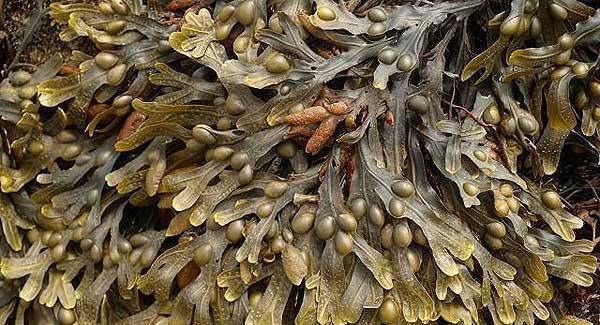
Seaweed has been used to enrich Irish soils for centuries. You should only use washed-up seaweed and apply it as mulch or add it to compost heaps. There is many a debate as to whether seaweed should be washed before applying to beds to prevent salt build-up in soil. Chances are the rain gods will have the job done on the beach before you get the hose out. My plants have never suffered any ill effects from directly applied seaweed. You can also buy seaweed dust and seaweed meal in good garden centres which can be sprinkled on beds and raked into the soil before planting.

COMFREY

A comfrey patch is a must for every organic gardener and comfrey liquid feeds should be applied to fruiting plants (tomatoes, cucumbers) regularly throughout the season. Comfrey leaves can also be cut and applied as a mulch when wilted.

CROP ROTATION

Crop rotations should be designed to follow demanding crops with undemanding crops to maximise the use of nutrients and maintain soil fertility. Crop rotation will also help to improve soil structure and hence accessibility of nutrients as deep-rooting crops can follow with shallow rooting crops (potatoes are followed by onions). Improved soil structure results in improved drainage, which is key to healthy plant growth.

MANURES AND LEGUMES

If you are planning to cultivate part of your garden either later this year or next year, a long-term green manure such as a clover ley is your best option. This green ground cover will help reduce weeds and build up soil fertility. Mowings from the clover ley can be used as mulches on vegetable beds.

To boot, beds in your garden should not be left bare at any stage and quick crops of green manures can be sown between crops to avoid bare patches where weeds will take hold. Summer green manures can be used in your garden and tunnel and include cover crops such as phacelia, vetch and red clover. Legume and nitrogen-fixing crops like peas and beans should also be included in rotations.

Green manures improve soil structure and texture and also add bulky organic matter to the soil and increase nitrogen levels, while minimising the establishment of weeds and loss of nutrients through leaching.

VEGETABLE GARDEN JOBS

¦ Plant early potatoes, onion sets, spring garlic, jerusalem artichokes and shallots outside. ¦ Sow leeks, spinach, salads, early cabbage, calabrese and kohlrabi into modules/seed trays indoors on a sunny windowsill or on heated mats in a greenhouse.

¦ Weed over-wintering crops such as garlic, onions and spring cabbage.

¦ Divide congested clumps of herbs such as chives, marjoram and mint.

¦ Continue to prepare beds if ground conditions are right.

¦ Dig in green manures.

x

More in this section

Revoiced

Newsletter

Sign up to the best reads of the week from irishexaminer.com selected just for you.

Cookie Policy Privacy Policy Brand Safety FAQ Help Contact Us Terms and Conditions

© Examiner Echo Group Limited