Nature table: Honeysuckle (Lonicera periclymenum)
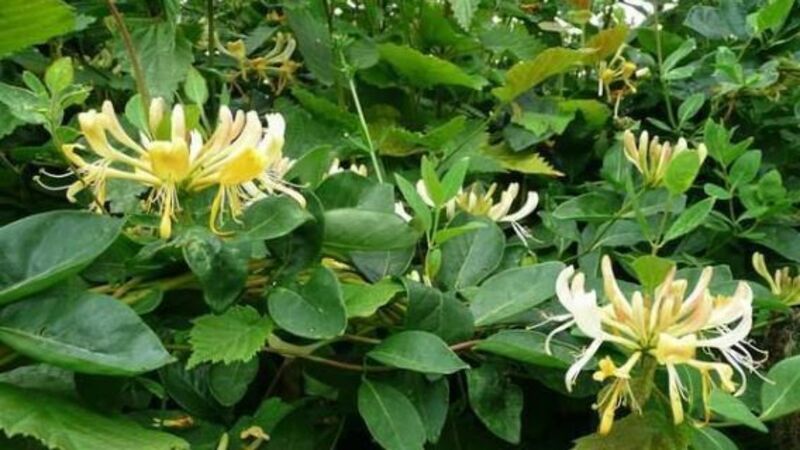
It has two strategies to compete for light in woodland. The first is to climb trees — not by clinging on with aerial roots, as ivy does, but by twining itself through the branches, to a great height. The second is to produce leaves early in the season, before the woodland canopy has formed.
Honeysuckle is already in leaf. In the summer and early autumn, it produces fragrant, creamy flowers that turn yellow after pollination. There is some pollination by bees, but the main pollinators are large moths, such as hawk moths, and as these are night-flying, the fragrance becomes more intense at dusk.
CONNECT WITH US TODAY



Be the first to know the latest news and updates