Wonderful willow has many uses
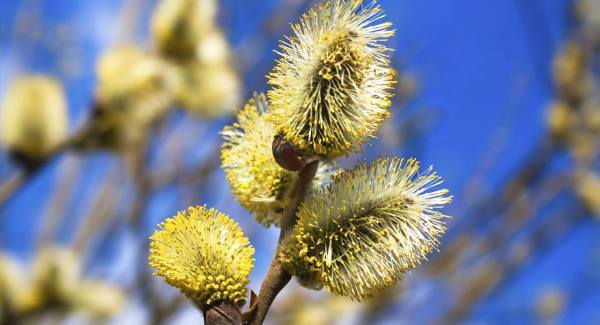
Even though they vary in size, colour and growing habit, they all tend to be fast growing and thrive happily in moist or wet soils, making them an ideal plant for those wet areas in your garden. They are often called “sallies’ derived from both their latin and gaelic (Saileach) name or ’pussy willows’ due to the furry flower buds and catkins.
Though willow produces seed, seldom is it grown from seed as it is possibly one of the easiest woody plants to grow from cuttings. By sticking a 1m length of willow halfway in the ground in winter, rooting is generally successful. Willow also has the ability to aid in the propagation of other plants. The reason is that willow cuttings secrete a kind of magic rooting water-soluble hormone called auxin that stimulates spring growth and encourages root development. Because of this any willow cuttings placed in a container of water will enrich that water with the same hormones that promote root growth. This hormone-rich blend is known as willow water or willow tea. Thus by placing cuttings of other plants in the same vessel, they too can draw on the auxin secreted by willow and generally respond by striking roots. Some rooting powders use artificially made auxin as the active ingredient. Alternatively use willow water for watering cuttings.
For gardeners, growing and using willow clearly ticks a multitude of boxes as it is the one of the only organic, re-newable materials that can be grown and harvested for use in ones own garden. Traditionally willow stems have been used in basket making, a craft that has undergone a revival in recent years as has willow sculptures and “living” fences. Willow is also grown in Ireland for the production of biomass for use as a renewable source of energy. To boot, willow looks beautiful both when growing and in garden structures and works well in classic, contemporary, ornamental and food gardens alike. Willow responds well to coppicing, which helps to maintain a shrub-like growth habit resulting in vigorous new growths with vibrantly coloured stems in winter, pretty catkins in spring and attractive leaves in summer, highlighting its attractive appearance right through the seasons. All willows provide a valuable habit for insects, thus providing a good food source for insect-eating birds in summer and increasing biodiversity in your garden.
A supply of willow is worth its weight in gold in any potting shed as you can use it when you feel inspired or need to support plants.
Another popular and innovative use of willow is creating living fences or garden ‘fedges’, i.e a fence plus hedge. This process involves pushing rods into the ground at an angle and weaving in other rods to give stability to the structure and along the top. Maintenance of this living fence involves weaving in the new growth annually to strengthen the structure and throughout the seasons, a ‘fedge’ is sure to look great in any garden. Willow hedges and windbreaks are particularly useful around fruit and vegetable gardens, not only for their shelter but also because they flower early in the season attracting bees and other pollinating insects for fruit and vegetable production. Willow windbreaks are cheap, quick and easy to establish from cuttings. Before planting, strim any weeds, cover area for planting with a weed-suppressing mulch mat such as mypex and make holes in the soil with a crowbar. Plant cuttings and firm the soil with your heel. Willow windbreaks need to be trimmed. Plants can then be cut once a year to maintain the hedge and provide a crop of rods for craft use.
If you know someone who has willow growing in their garden, take cuttings and start planting and propagating. Or chat with your local nursery or visit www.hedges.ie which not only mail orders and dispatches lots of varieties of willow in Ireland but also gives lots of detailed information on the planting and maintenance of willow hedges and windbreaks. And why not honour St Brigid by weaving a cross using some willow.
CONNECT WITH US TODAY



Be the first to know the latest news and updates