Hedge your bets
Even if you thought your garden was not situated in a windy site, the recent climatic trend towards high winds may be making you think differently. Strong, desiccating winds are one of the main threats to the health of plants and your garden, as they result in the restriction of plant growth.
This is known as ‘wind pruning’ and leads to the misshapen development of leaves and branches on the leeward, more sheltered side of plants. Intense wind will also cause excessive transpiration (water loss through leaves), and will inevitably cause leaf scorch and ultimately the demise of a plant.
Reducing wind exposure, accompanied by the selection of appropriate specimens, is paramount to the health and success of your garden. Solid barriers such as walls and buildings may assist in reducing wind exposure, but they do so at the price of turbulence — ie, as wind hits a solid object it swirls over or around it, accelerating as it travels and creating a vortex or eddy.
On the other hand, permeable barriers help reduce wind speed without creating turbulence as they allow wind to pass through rather than accelerating over or around them. Depending on the type of barrier used, beneficial effects can be experienced over a distance of several metres. Often in gardens, woven fabric membranes fixed to fence posts are used to reduce wind speed.
Several types are commercially available and while they are not especially attractive, they are effective and are ideal for providing wind protection as longer-term shelter plantings such as hedges establish.
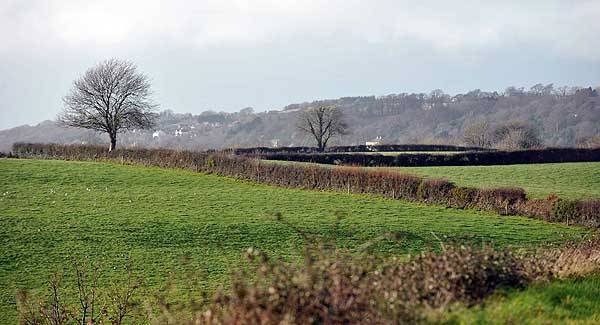
Historically, hedges were used as boundary markers as opposed to garden features. The planting of native-species hedges became widespread in Ireland following the enclosure of common land.
However, their beneficial characteristics must have soon been applauded as not only do they improve microclimates, but hedges also provide habitats for the predators that keep crops free of pests.
As gardens developed over the centuries, the use of ornamental hedges, typically evergreens such as yew, holly, box and deciduous hedges such as beech and hornbeam became commonplace. These have their benefits providing nesting sites for birds and hiding places for insects as well as berries and nuts for birds.
However, that said, there is nothing that quite compares to a correctly maintained native hedge, which further promotes biodiversity in gardens and if planned correctly, in store-cupboards as well.
If planning a hedge boundary, I recommend an edible hedgerow, ie using only plants that provide something edible. If you enjoy foraging, making jams and experimenting with hedgerow tipples, planting a treasure chest of wild edible delights at your back door will certainly have appeal as well as providing protection from howling gales.
Any produce not picked by yourself will be happily devoured by the birds who will also enjoy nesting in the heart of your established hedge.
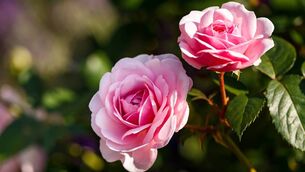
There is a host of native edible hedge species to choose from, with obvious candidates including crab apple (for jelly), wild plums/damson (for jam, crumbles and syrups), blackthorn (sloe gin), blackberry (for jams, flavoured vinegars and vodka), elder (flowers for cordial in the summer and berries for syrup in the winter), hazel (for protein-rich nuts), and dog rose (for delicious rosehip syrup).
To plant an edible hedge, select a site with well-drained soil. Dig out all perennial weeds, remove large stones and enrich and condition the soil by digging in plenty of organic matter such as compost or well-rotted manure. Your hedge will be there for a long time, so best advised to do the job right to begin with.
PLANT hedging through a ground fabric such as mypex to prevent weed competition in the early years.
The goal is to place plants close enough together so that they create a hedge effect but not to plant so thickly they will compete/knock each other out.
Individual plants respond to different aftercare but as a rule of thumb, cut back all thorn-based plants (hawthorn, rose, blackthorn) by half, to encourage bushy lower growth. Ask your plant supplier to give you exact planting and maintenance guidelines.
Future Forests, Co Cork, http:// www.futureforests.net/ supply a wide range of good quality bare-root edible hedging.