Slugs and snails - know they enemy
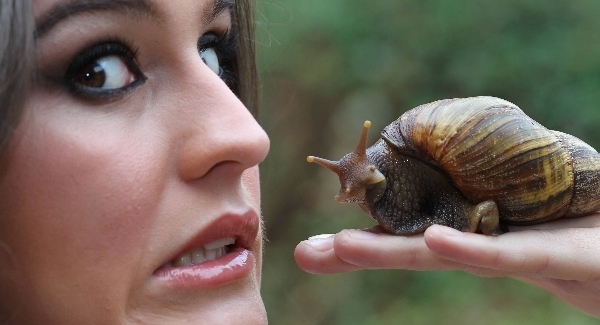
Combating their voracious activities may seem like a full-time job for Irish gardeners as few pests are as destructive and non-selective as slugs. Both slugs and snails are hermaphrodite meaning each one is both male and female, and all possess the ability to lay eggs. These translucent white eggs can often be spotted in the soil, in compost heaps and other dark, damp places. Up to 500 eggs per slug may be laid in a season and it can take as little as three weeks for these to hatch into tiny versions of the adults, depending on the time of year. While snails tend to hibernate in the winter, slugs can be active all year round both above and below ground. Both are mostly nocturnal feasters and move along on one single muscular foot, secrete slime and are not the cutest of creatures. However despite their bad reputation, slugs do provide some ecological benefits and are an important food source for many animals. They are also decomposers of organic matter and vegetation, which is important for recycling nutrients through the food chain. And not all slugs are bad, with the garden slug (dark grey to black in colour with yellow orange below), the field slug (light grey/fawn colour) and the keeled slug (grey, dark brown or black with distinct ridge down the back) thought to be the ones that wreak the most garden havoc.


Read

Listen

Watch

Play
CONNECT WITH US TODAY



Be the first to know the latest news and updates






Revoiced
Newsletter

Had a busy week? Sign up for some of the best reads from the week gone by. Selected just for you.
Property & Home
Newsletter
Sign up for our weekly update on residential property and planning news as well the latest trends in homes and gardens.
Lunchtime News
Newsletter
Get a lunch briefing straight to your inbox at noon daily. Also be the first to know with our occasional Breaking News emails.

Most Read
Tuesday, June 9, 2026 - 8:00 AM
Tuesday, June 9, 2026 - 10:00 AM
Monday, June 8, 2026 - 11:00 PM