Vintage View: Iron garden furniture
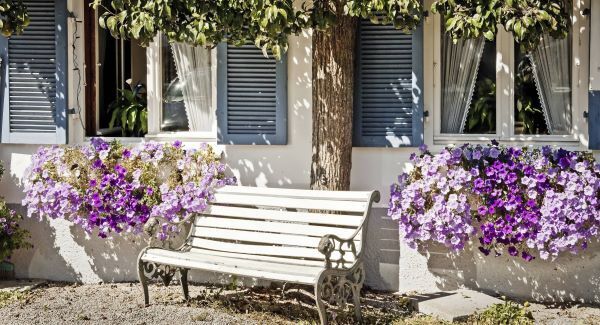
If you like the romantic, billowing Rococo form, benches, seat and table groups offer sculptural focus points against formal borders or in a shaggy, more casual cottage garden.
As seating, cast iron has hefty, chill, knee-bruising challenges that can make pulling out a chair in a seating group an invitation to a slipped disc. Cushioned for impact or seated in wood, it will last several lifetimes if well maintained.

Reproductions are often taken honestly from the original foundry moulds. If you cannot source originals from the local salvage yard, consider their stock in new recast pieces with good detail and solid construction. Prices for four chairs and a small table start in the area of €500 brand new.
Cast iron can be painted into a variety of characters from a prim 19th century white that glows against greenery to a gentle rustic green making it part of the surrounding planting. Heavy pieces will not blow over, a curse with aluminum pretenders, but due to their weight it’s a good idea to prepare some hard landscaping, and size the space before dragging them into position.
Placed on paving or settled down into blinded gravel, a freshly painted set will need no more than a soapy wash each spring to eliminate dirt that can trap moisture against the paint work. There’s nothing to beat the experience of shards of rust and razor sharp flakes of paint stinging bare thighs on an August afternoon. Oil-based gloss paint will degrade once the surface breaks and can trap moisture, allowing the metal surfaces to quietly rust under cover.
Examine your older pieces, right through the seat and legs, and use a wire brush to scrub off loose paint and sand to the base metal. Using a direct-to-rust, metal primer to stabilise, re-coat where needed. Ensure the screws holding tables, chairs and benches together are tightened up at the start of every season and in good order. A spray of WD40 will often loosen a reluctant old nut not paralysed in old paint.
Consecutive layers of paint will build up and muddy fine detailing. It’s worth having a really good piece stripped, dipped or blasted back to the raw metal to raise decoration to its former glory before re-finishing. Wood seats are warmer and far more inviting to actually use than the penance of icy cast iron. If you find a Victorian or Edwardian bench with wonderful decorative ends and little corrosion damage, ignore the rotted state of wood slats as they are easily replaced. Keep one or two lengths as a pattern for creating new slats and take a few digital shots before dismantling the old timber work and removing any potentially confusing fixings. A final buff with clear car wax will shine up paintwork and give your pieces a useful seal against those rare summer downpours.