A tale of two gardens
It does not have the upmarket postal address that auctioneers like to eulogise, but it is a wonderfully spirited and community-based area in which to live.
For over 50 years my wife and I have chosen to live here and in all that time it has been a place of repose and intangible consolation — a charmed spot where the annoyances of the outside world are cooled of their sting. The garden is divided into two by the bungalow which lies in between. Thus there are two plots, each of roughly 200 sq yds. Working in the front means working in public. I like it on many occasions, especially when a passer-by or motorist stops to pay a compliment!
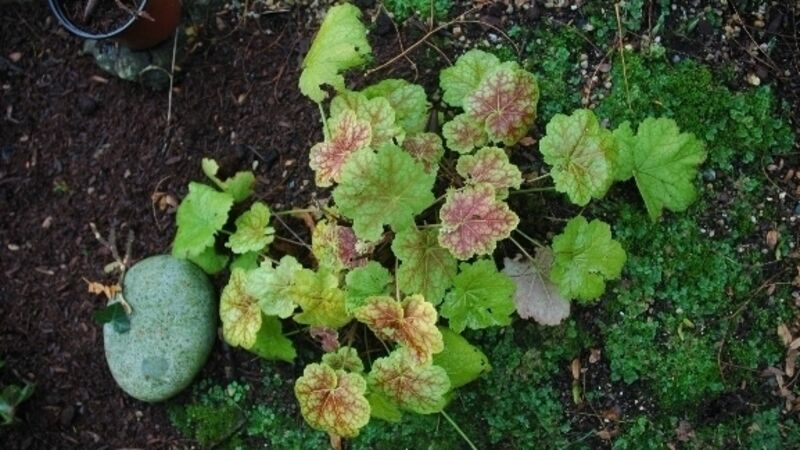
The back garden differs totally to the front and here I can plod away all day unnoticed and totally happy. I aim to get outside as often as possible for miracles are waiting everywhere every single day. During dry spells in winter I like to spend time increasing shrubs by the method known as ‘layering’ and to keep on top of the curse of all gardeners, weeds. These latter growths have a peculiar fascination for us. I know all the different kinds in both plots (even better than the flowers) and without them my victories would be insipid affairs. They provide the challenge that most of us require, except for those blasted Liverworths (illustrated) which are singularly disgusting in all their stages.
Liverworts will grow on the soil surface of borders, rockeries and containers and are usually associated with compacted soil, poor drainage and an acid Ph. Although they don’t harm plants, they can look terribly unsightly, and may inhibit growth of small or delicate young plants. Liverworths have a green, flattened, plate-like body and no leaves. They have no roots but this assists their removal.
There are a number of ways in which control may be undertaken. I like to use Sulphate of Iron in powder form. Sprinkle this over the growths and in a few days the Liverworths will blacken and die. Where the soil surface compacts readily after rain, increasing the organic content of the soil by digging in or mulching with well-rotted farm manure, garden compost, processed bark or leaf-mould gives great results.
In rockeries, weed out any moss and liverworts before loosening the soil surface and mulching with grit (‘Westland’ make a very good sharp medium) gravel or slate. Bare soil must be covered or kept free of unwanted growths by regular hoeing and raking in order to maintain a rough and well-drained surface.
Where plants are to remain in their containers for some time, a surface layer of grit will check unwanted growth of algae, liverworts and moss. This is particularly helpful with containers of slow-germinating tree and shrub seeds or with seeds of bulbous plants, such as lilies, which may remain in containers for one or two years before reaching a suitable size for pricking out.
Chemical control consists of using products based on natural fatty acids or Pelargonic acid but either should be used with care around garden plants, including those in containers. These products are contact herbicides based on natural ingredients and they will biodegrade on soil contact and have limited environmental impact.


CONNECT WITH US TODAY



Be the first to know the latest news and updates