Crown prince of vegetables
Now that Hallowe’en is over, you’re probably left with a few of those orange beauties around the place. This season would not be the same without the presence of pumpkins but there’s much more to these seasonally popular winter squashes than carving them for spooky décor.
There is many a debate over the difference between a squash and a pumpkin but personally I feel that there is no huge crime in interchanging the titles, unless of course you are complying with specific rules or regulations at a show.
They are both from the same family and due to cross-breeding, there are so many varieties in existence that unique, distinguishing characteristics have been obscured. No matter what you say, you can expect a dispute with pumpkin purists.
Pumpkins and squashes come in a rainbow of colours, shapes and sizes, ranging in tones from orange, green, yellow, red, white, blue and even multi-coloured stripes, presenting themselves as huge, tiny, flat, short, tall, round, pear shaped, turban-shaped, smooth, ribbed and even warty.
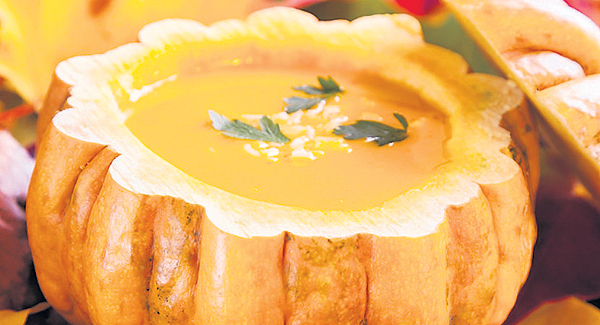
Pumpkins generally tend to have a deep orange skin and a distinctive pumpkin shape. Apart from being carved as jack-o’-lanterns, they feature in a multitude of recipes including soups, curries, stews, pies, breads and other baked goods. Their seeds are usually removed before cooking or carving and can be roasted and eaten as well. Roasted pumpkin seeds make a great, low-calorie snack, and can be used to add crunch to salads and soups.
To roast your pumpkin seeds, separate the seeds from the stringy pulp, rinse them in a colander under cold water and then shake dry. Don’t blot with paper towels as the seeds will stick.
Place the dry pumpkin seeds in a single layer on an oiled baking sheet, stirring to coat. Roast them at 275 degrees for 10 to 30 minutes, or until they’ve reached a golden-brown colour. Seeds will cook at different rates depending on size. Sprinkle on salt or season to taste and serve. Once cool, store in an airtight container.
Pumpkins are also easy to grow and the perfect plant for engaging children in the vegetable plot.
Firstly, the seeds are big and easy to sow and on top of that, they seem to miraculously increase in size overnight, not to mention the delight when carving them up for Hallowe’en.
However be warned, pumpkins are heavy feeders and take up a lot of space. For me, just like Cinderella’s pumpkin there is something magical about these strikingly handsome, king of autumn vegetables.
They truly are a sight to behold but unfortunately the traditional fairytale big orange pumpkins sold in supermarkets can be the variety most lacking in flavour.
Often it is the smaller or more unusual looking pumpkins that have the best culinary qualities with dense flesh, nutty flavours and thick skins to aid storage.
My all time favourite pumpkin to grow for eating has to be the wonderfully delicious grey skinned Crown Prince with its rich orange flesh that tastes divine when simply roasted.
Pumpkins are good for your body and your spirit, so if you have the space they are a fun plant to sow, nurture, harvest, eat and enjoy. So next year, make sure to grow your own pumpkin for Hallowe’en and eat it.