Location still king in property’s ‘new normal’ landscape
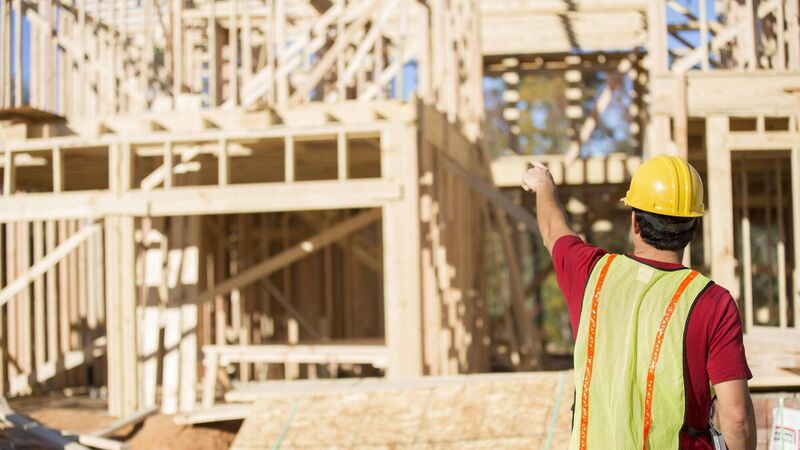
NEW HOMES special report: Location is a stronger focus than ever as working from home adds value to property, says Tommy Barker, Property Editor
Location still king in property’s ‘new normal’ landscape

Working From Home (WFH) is the latest acronym to enter the property lexicon, ensuring that good broadband, a quiet room to use as an office and location are all adding to property values.

The old triple adage about ‘location, location, location’ being the three most important things when searching for a home now has been tempered by the reality of Covid-19 pandemic times – we now need to knock at least one of those ‘location’s off the criteria, and replace it with ‘lifestyle,’ and the ability to work from home.

Work From Home (WFH) is the latest acronym to enter the property lexicon, and whether renting or buying, important items on the wish-list will be things like good broadband, and a quiet room which can be used as an office.


This latter is likely to translate into buyers perhaps getting one more bedroom in their next home than they thought they’d want/need, subject of course to budget and affordability.

This comes at a time when the average asking price for a four-bed semi-d in Cork (both new and second-hand) has just nudged to €300,000, up 1.7% in a quarter and over the year, as the figure previously had rested at €295,000 for the preceding five quarters.

What started off earlier this year as anecdotal evidence about changes in home-hunters’ buying criteria, and a willingness to eschew city locations and/or apartments for quieter rural or coastal setting with services is now being shown evidentially.

Myhome.ie’s latest survey now shows Cork west being ahead of Cork city as the most searched for area in the county, while Kinsale has now leapfrogged over Clonakilty into third place … an interesting jostle and jousting, as both towns have a particularly good supply of new homes, but with Kinsale closer in time and distance to the city and airport.

Also switching place in terms of the Top Five searched Cork locations were Midleton, and Cobh, with Cobh now just ousted from the Top Five, while the Myhome Q3 report also digs back a bit to Q2, showing that half the 195 new-builds in Cork County were single dwellings, some 94.

In contrast, there were just nine single dwellings built in Cork city, where 140 units were completed in Q2; 39 of these were apartments, and 94 were in a scheme/development. Overall, 548 new dwellings were completed in Cork in the first half of the year, as lockdown lifted in June.

The median price for Cork property now stands at an even €250,000, up 2% or €5,000 in the past quarter from €245,000, where it had stood for the previous five quarters, leaving prices at a level they were at in the end of 2010.

“Buyers typically are from across a spectrum, and the cohort currently able to buy and committing to purchases appears to be those unaffected by Pandemic Unemployment Payments, typically those with higher incomes who aren’t (as yet, at least) concerned that Covid-19 l presents a threat to their incomes or employment. It excludes those younger, lower-paid workers in the construction, hospitality and retail sectors,” says Davy chief economist Conall MaCoille.

As lockdown lifted in June, Irish banks confirmed their reluctance to lend to people whose wages had been impacted by Covid-19 and who were in receipt of Government wage assistance, and it led to a number of sales which had been agreed in earlier months this year stalling.

As widely noted elsewhere, many of those in employment actually saw their savings ability step up a bit, given the reduction in retail and holiday enticements.

"Consumer confidence remains relatively high for housing and buyers have in fact saved money over the last number of months,” notes estate agent Paul Hanon of Sherry FitzGerald.

He says the analysis of their buyer profile in Cork “is generally people employed in IT, ICT, Pharma FDI companies and/or Civil Servant type jobs who have been relatively unaffected by the Covid-19 economic issues.” Looking forward, the expected housing output of this see-saw year is likely to come in at 18,000 new units, considerably less than the 30,000/35,000 units the country is estimated to need (ESRI).

This continuing shortfall last week prompted the chartered surveyors/construction body SCSI to say that on current 2020 output, it will be 2031 before equilibrium is achieved in the housing market, which they say also needs urgent Government and sectoral responses across the spectrum, to include social and affordable homes under a variety of delivery routes.

Noting a slight dip on construction tender prices in their pre-budget submission this October, the SCSI said Government should also “commence a large-scale public sector house building programme via local authorities to take advantage of a likely softening in construction costs in the coming two years”.

 Right now, it’s estimated the 48% of the cost of a new private house is 'hard cost,' ie from wages/labour, materials etc, and the balance or “remaining 52% of the costs derive from the cost of land, VAT, sales, marketing and legal fees, and developers’ margin, among other factors”.

More in this section

Revoiced

Newsletter

Sign up to the best reads of the week from irishexaminer.com selected just for you.

Cookie Policy Privacy Policy Brand Safety FAQ Help Contact Us Terms and Conditions

© Examiner Echo Group Limited