Spotlight on urban apartment building costs sharpens during housing crisis
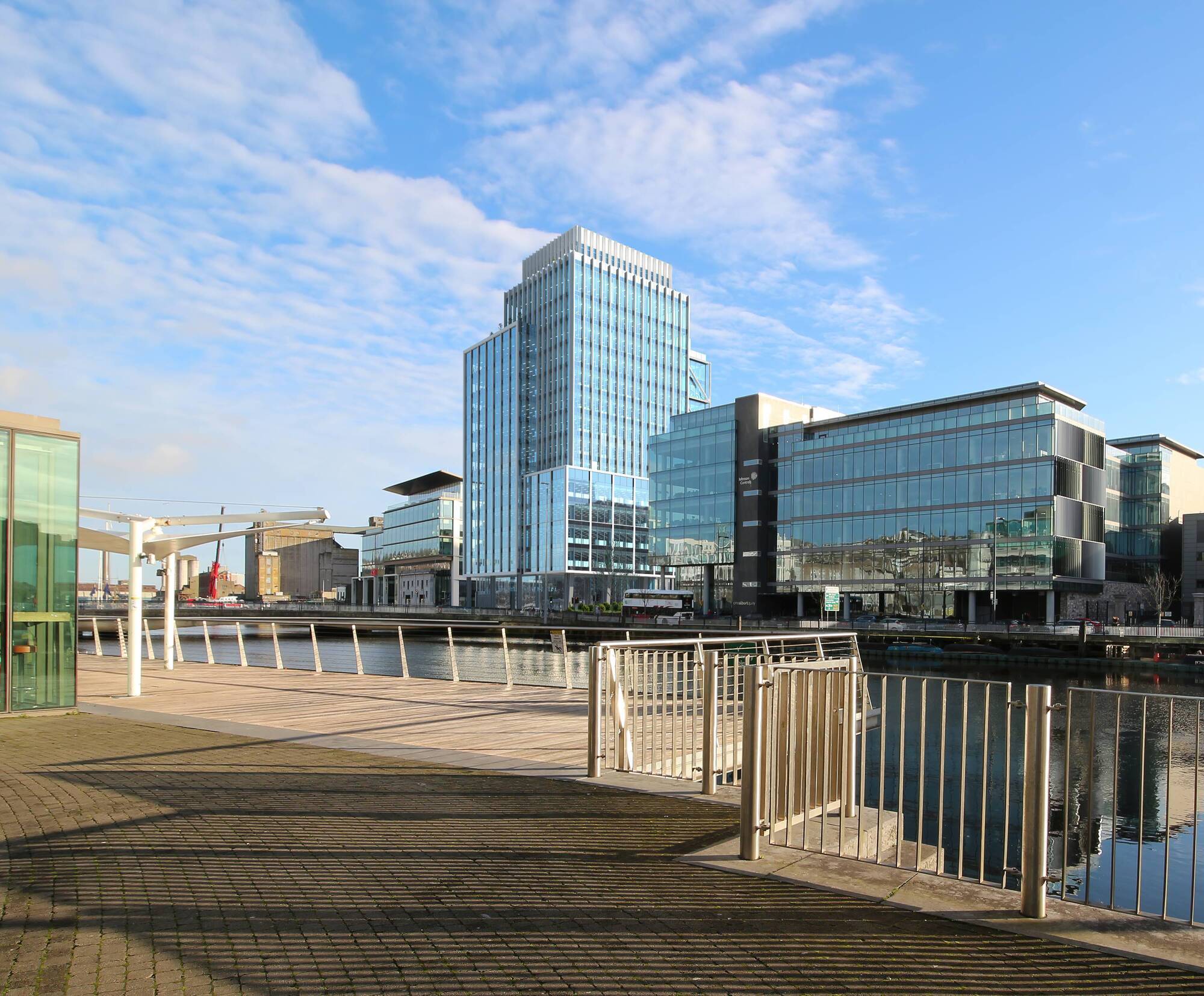
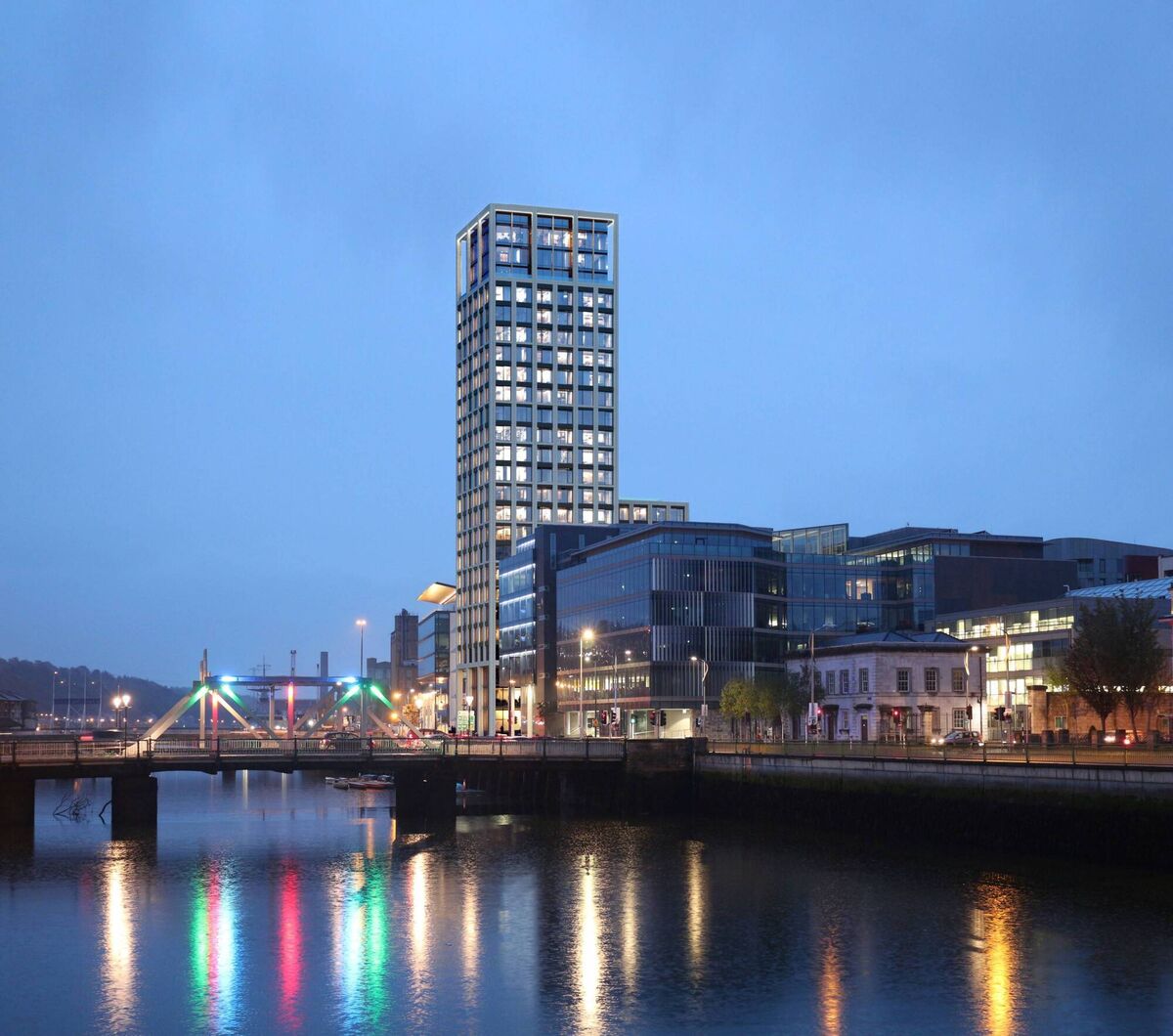
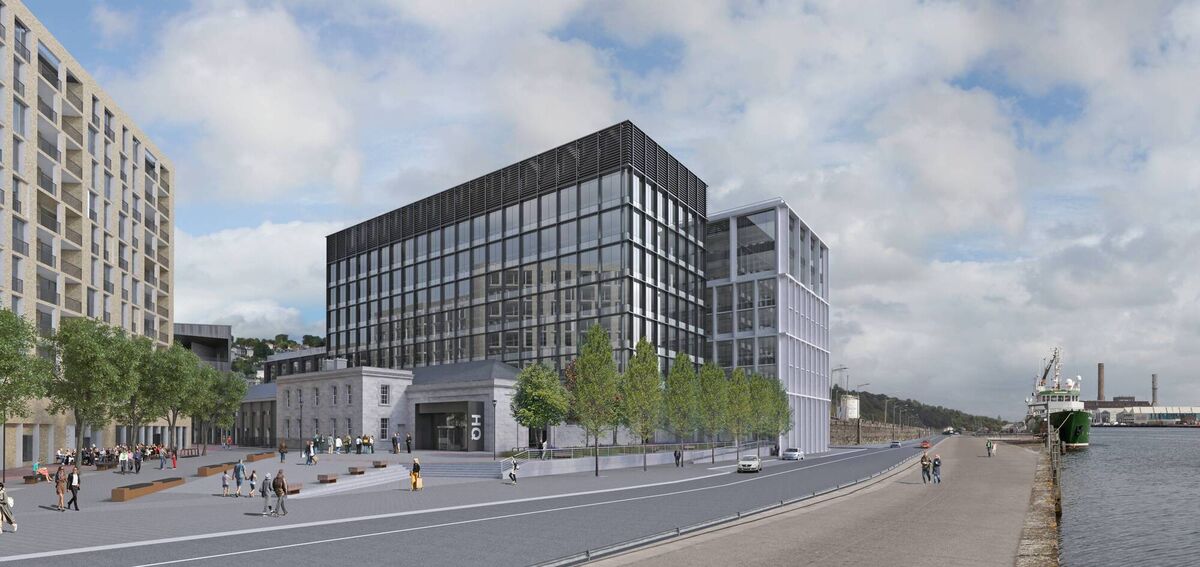
The 16-storey JCD office tower now planned for Albert Quay at the grounds of the old Sextant Bar/Carey Tools. It replaces a 2019 plan for 201 apartments in a 25-storey tower for which planning permission was granted
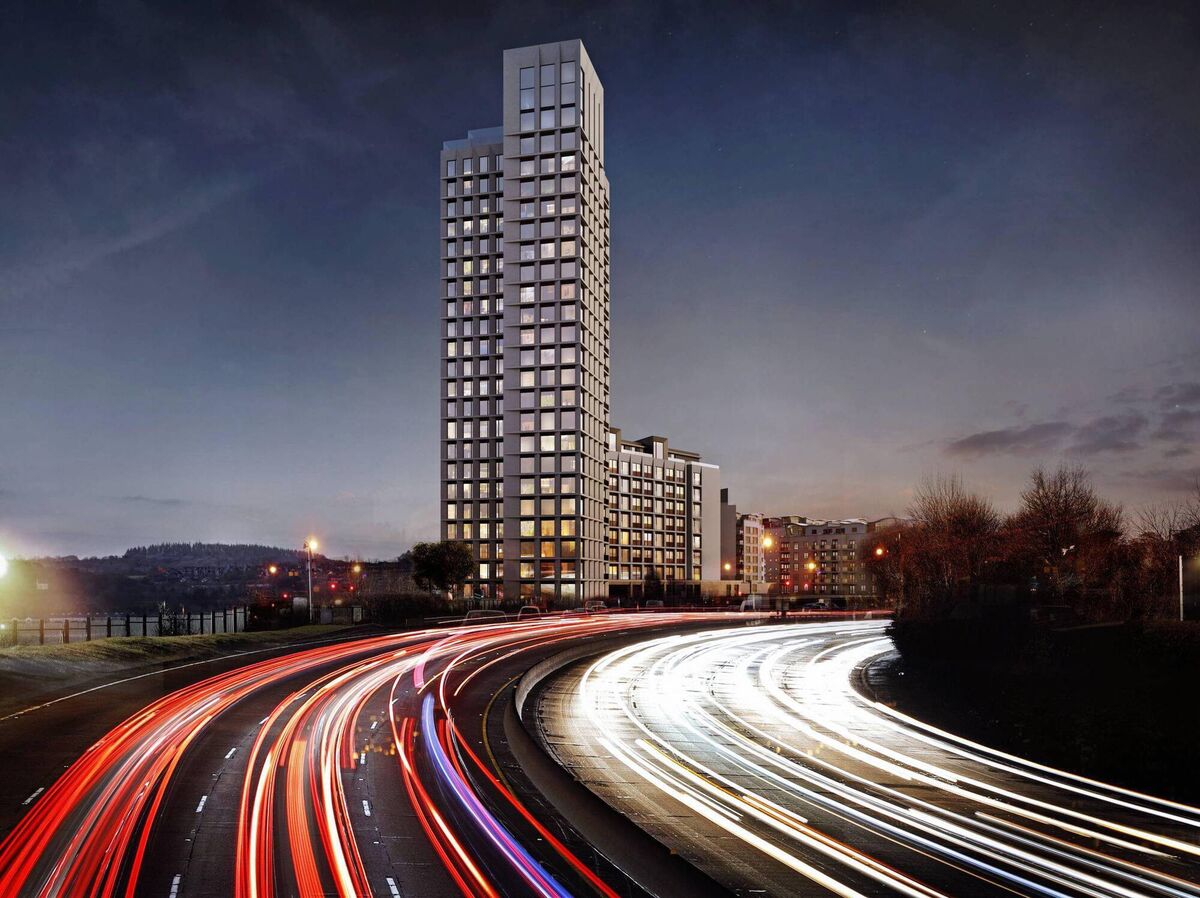
THE decision by leading Cork developers JCD Group to scrap plans for a 25-storey 201-apartment development in the heart of Cork City, a block away from City Hall on Albert Quay, and to replace it with offices is expected to further concentrate political debate to find a solution to the cost of apartment construction, during a wider housing crisis.
It’s one of a number of city sites where planning has been secured for much-needed city apartments for the rental market (PRS), but where development hasn’t been able to start due to financial viability issues.
Other stalled sites include the South City Link Road’s Railway Gardens (118 units), Jacobs Island in Mahon (over 400 units in a tall tower), Horgan’s Quay (302 apartments with full planning) and Lancaster Quay where a final €40m/88-unit phase of an existing development by O’Callaghan Properties commenced early in 2020, but has since stalled, with individual unit development costs put at the time at €485,000.
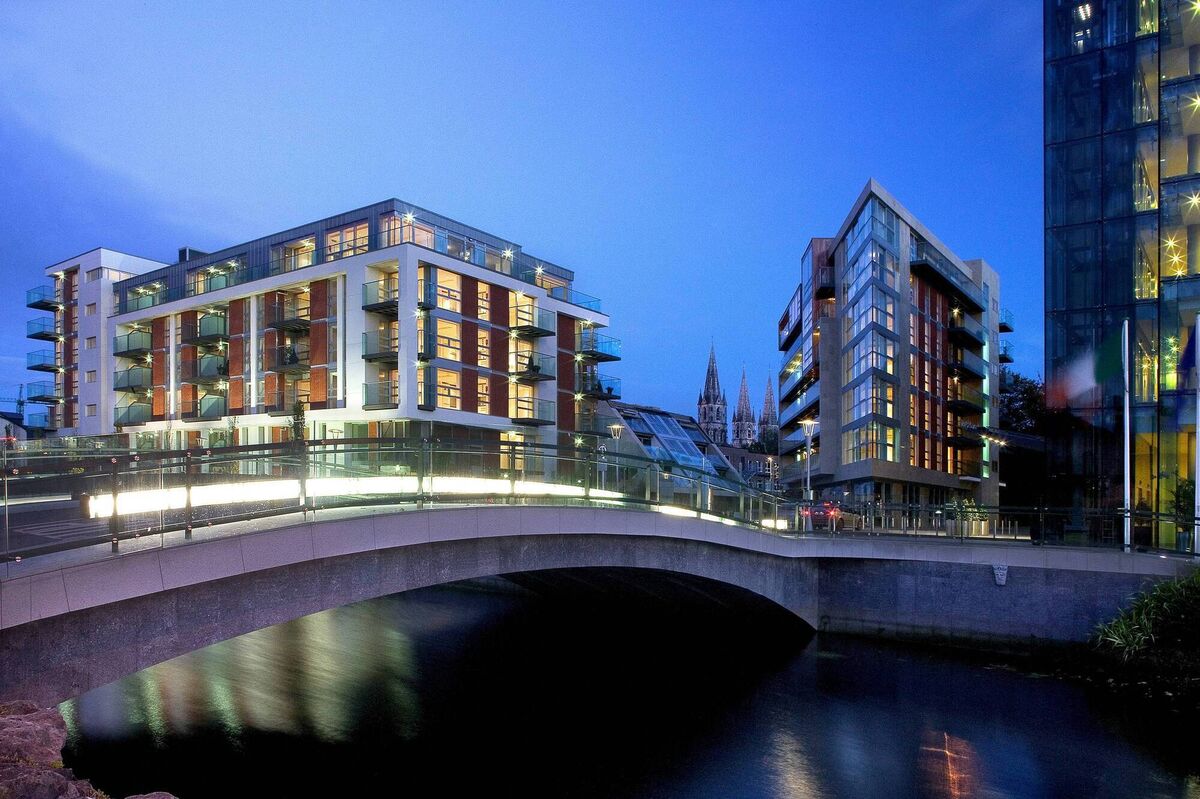
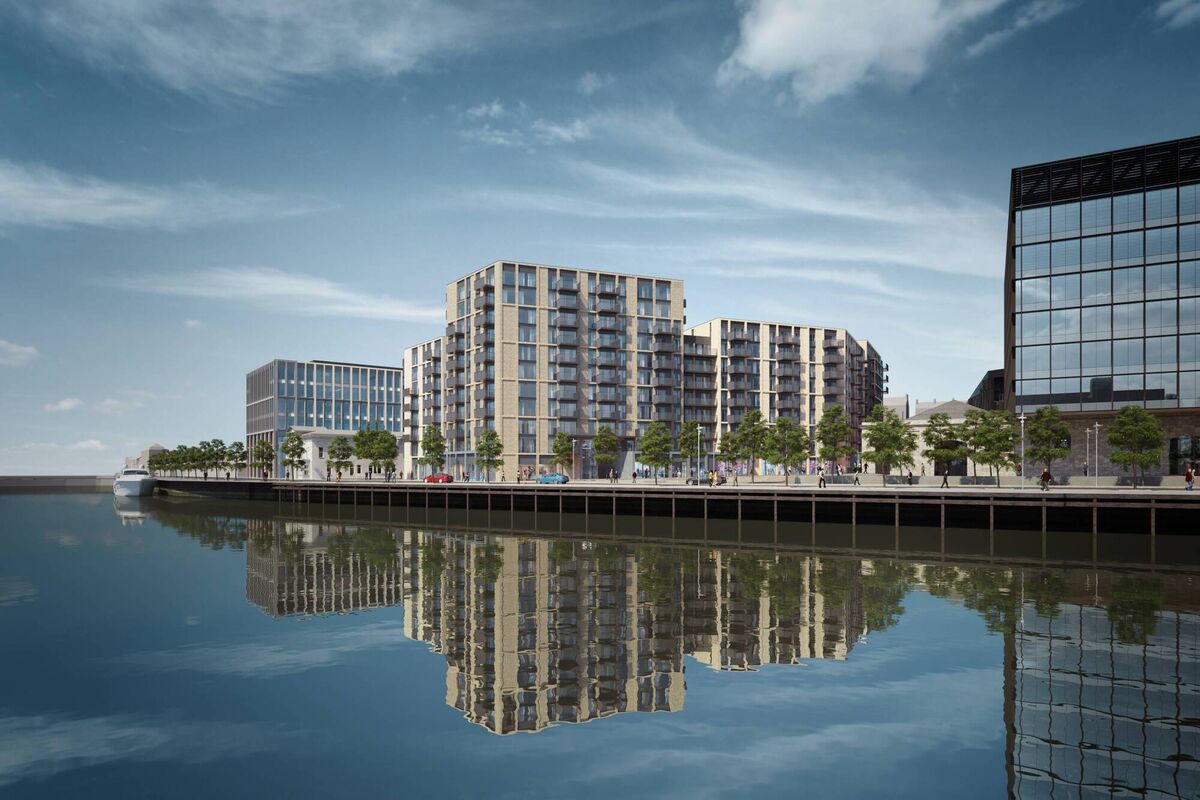
Plans are also in train for a development of up to 1,000 apartment on the Marquee site in Cork’s docklands with Glenveagh Properties, with 146ha south docks campus earmarked for 29,000 jobs and 20,000 new residents under the Government Ireland 2040 plan, which as of March this year was committing €340m to enabling infrastructure in Cork.

There hasn’t been a build to rent (PRS) development of any scale in Cork since 2008, noted JCD Group last week, saying they would have needed rents of €2,800 per month for a two-bed to make their 2019-proposed €90m apartment tower development stack up on Albert Quay.
Back in 2019, they had gauged rents levels needed at €2,000+ per month: since then, construction, labour and materials costs have sharply escalated, partly due to internationally-experienced factors such as Covid-19 and Brexit.
The developers' switch to a proposed 74-metre high, 16-storey c€95m office tower office is the first market decision to opt now for change of use to offices and to abandon well-advanced residential development plans.
Other developers such as O’Callaghan Properties and BAM/Clarendon Properties have also said they cannot build apartments at current delivery cost levels, all further skewing the imbalance of living quarters for the thousands of new office jobs already in train in Cork.
JCD’s change of planning use decision on the Sextant/Careys Tools site between over 500,000 sq ft of office development at One Alberty Quay and OCP’s Navigation Square has been widely remarked upon in social media and in business and political quarters.
The logic is, however, underpinned by a number of economic reports from the likes of Deloitte (for JCD Group,) as well as by EY, the Construction Industry Federation (CIF) and the Society of Chartered Surveyors (SCSI) over the past year.
Sources meanwhile say that yet another feasibility report, being undertaken by KPMG linking with the Construction Industry Federation is expected in a month or two’s time, anticipated to make proposals to remedy the crisis and close the funding/financial viability gap.
The inertia of the past several years of existing reports and studies comes as numerous planning applications have come, and languished in Cork, and as funding of bulk units to rent remains a hot topic, particularly in the case of houses.
A study by Sherry FitzGerald this week on the Build to Rent sector indicates investment in Q1 of 2021 across the EU at €16.1billion, up 34% in a year, with some €300m of that EU-wide €16.1bn spend in Ireland.
However, Ross Harris Head of Residential Investment at SF says that while international funds are looking for opportunities in Cork and Limerick, they haven’t invested outside of Leinster in new schemes or forward funding, only in buying existing blocks. The report shows 45% of the country's €300m spend this year was for forward commitments.
Mr Harris noted rising construction costs, and the escalation in costs once residential buildings go above 6-8 storeys.
Even in Dublin, “apartment development viability is marginal,” said Mr Harris, saying international investment was vital but noting “growing concern among investors about recent reactionary policy measures and the possibility of further intervention in the market.
“Arguably and conservatively, at least an additional 65,000 private rental homes will be required over the next ten years. If one assumes they are all apartments, there would be a requirement for approx. €33bn of capital to be invested in the sector during the 10 year period,” he added.
Meanwhile, Ronan Downing, Development Director of Clarendon Properties at the mixed-use Cork Horgans Quay site, where Apple are the latest tenants to locate, said build cost inflation was a significant concern and revealed "due to a protracted process in attaining a fire cert over the last year we have missed a viability window where rents and values might have supported the build costs of their proposed 302 units there.
While city planners favour medium to high-density apartment schemes "this planning policy is not supported by the State without of town/ suburban housing being considerably cheaper to provide. We will not be able to increase supply of the right kind of development if these projects are not economically viable," argued Clarendon's Mr Downing.
"Relying on increased wages to pay higher rents, or purchase prices, seems untenable considering the amount of revenue generated for the State out of the production of housing," he stated.
Noting a number of studies showing the revenue streams to the Exchequer from residential development, he added "the State has reverted back to relying on residential development to support the national coffers. It seems obvious to say; but wouldn’t the economy be stronger with less of every home owner's income paying for a roof over their head?"
CONNECT WITH US TODAY



Be the first to know the latest news and updates