Designing future homes for private rented sector
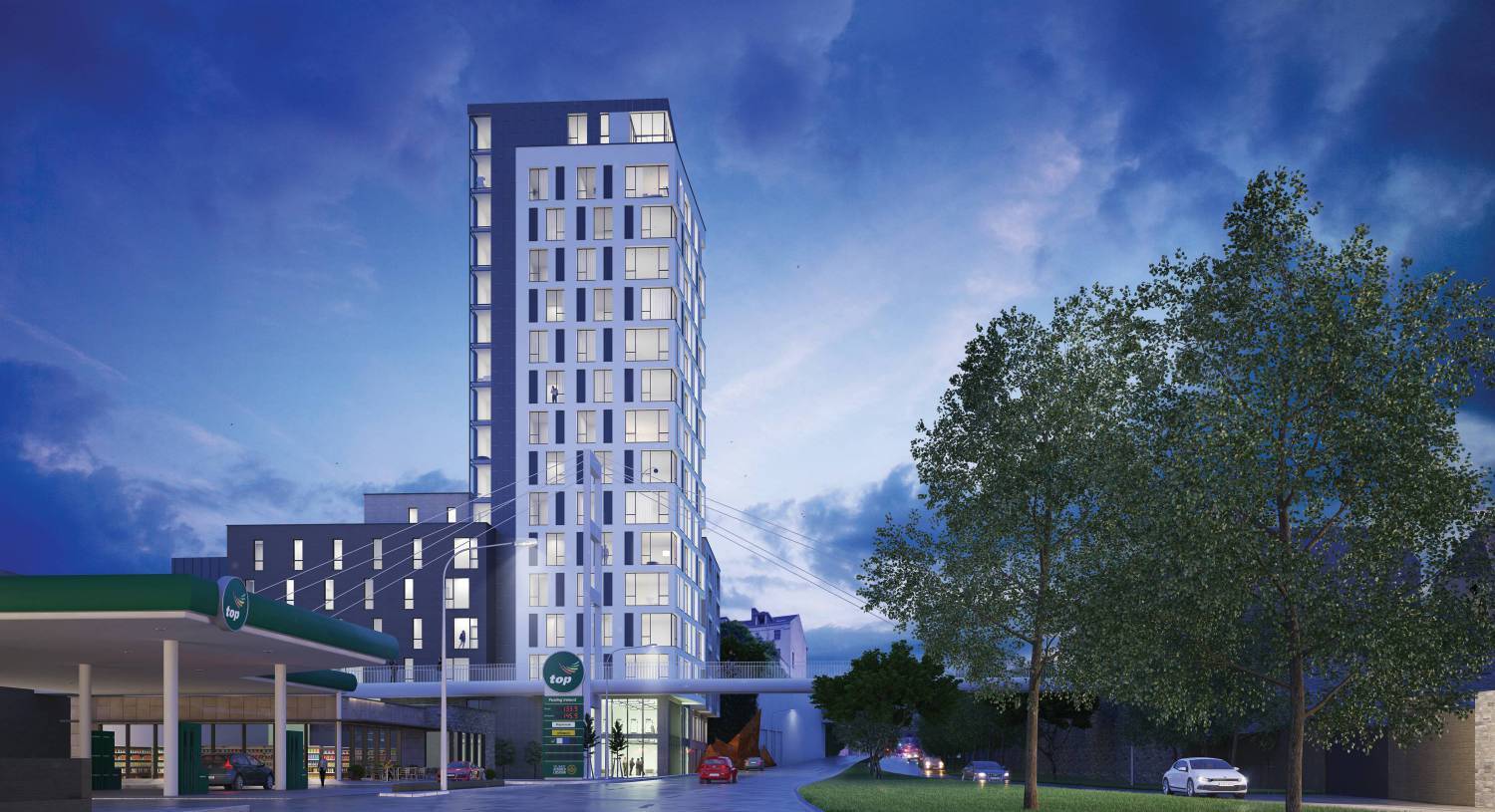
CHANGES to the world and local economies over the past two decades has seen a dramatic shift in the global residential market. Even with post-Celtic Tiger funding models in place, the Irish residential market has not been unaffected by this, and the push to higher housing costs is seeing a fundamental change to how we now live, and indeed, how we expect to live in the future.
As architects, one of the changes we are seeing is the scale of city centre projects. With Cork’s skyline constantly changing over the next few years we’re finding that sites that deliver less than 120 units are not satisfying investors and the preference is for larger schemes with 150 units and more.
Whereas on the outskirts of the city centres, the more traditional “family- oriented” residential estates are becoming larger as well as more geographically and topographically complex, sites suited for good, fast design and delivery are becoming scarcer as cities expand.
Developers are having to balance the costs associated with these complex sites and longer design times against their level of anticipated house prices; thus, a larger estate counteracts some of these financial risks.

In Cork we’ve seen the residential market grow from early tentative steps in the private for sale apartment sector with the likes of The Elysian. With the changing financial models and huge upswings in the cost of housing, funders, councils and developers are now looking to the rental market as a way of combating these cost pressures on communities.
This is not without good precedent, as the Continent has traditionally viewed renting as the norm. Notwithstanding the pressure Airbnb is having on this model in some of the larger cities in Europe, renting is still accepted as a stable and good way to live.
With the PRS schemes, we as architects and place-makers, understand that renters will be attracted to schemes that are in locations where they want to live, and allow them the opportunity to feel part of a community. These aims can be achieved by incentivising developers to provide good amenity spaces within these schemes. Public spaces need not be a park, just enough to provide residents with outdoor space and a sense of belonging.
For instance our design of the multi-storey Railway Gardens is very much based around its location on the edge of the city centre, and its traditional use as a thoroughfare for Cork pedestrians and cyclists. The design deliberately enhances this traditional use and provides extra green space for residents and extra infrastructures for walking and cycling.

When designing, it is important to recognise the range of customers for PRS.
Graduates in their early twenties are perhaps the largest target market, and also young couples, but demand will also come from ‘empty nesters’, and transient professionals or global corporations, of which Cork has many, requiring a pied á terre for visiting employees and management.
A PRS model that works for the Irish market will potentially transform the way we live in our cities.
If PRS is to contribute to our housing supply it needs to expand as an alternative tenure model independent of existing markets, not at their expense. As architects, what we believe PRS can bring is the sense of neighbourhood and community that can be fostered through providing an attractive environment for those who live there, with appropriate levels of support, services and amenities.
The designs also need to complement the needs and aspirations of its future PRS customers. Similarly, management regimes need to be geared to offer customers the appropriate level of service and support that keeps residents happy and attracts a regular order book of new customers.
It is an exciting time. Innovation and creativity are needed to ensure that what we delivered in the name of PRS is sustainable and makes a positive contribution to our needs for better housing.