First-time buyers squeezed
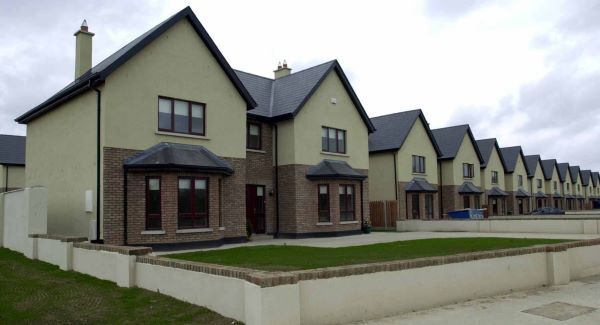
With difficulty winning mortgage approval and facing tough competition from cash buyers, it wasn’t an easy year for first-time buyers.

First-time buyers squeezed

But despite the ending of mortgage relief in 2012 there were some encouraging signs for first-time buyers, Trish Dromey reports

IN the year of the cash buyer, first-time buyers didn’t really get too much of a look in. Although mortgage interest relief remained on offer until the end of last year, many were unable to avail of it or take advantage of a bottoming-out market, because of lack of finance.

As in 2011, the biggest challenge for first-time buyers in 2012 was getting a mortgage. Even those who did have mortgage approval were sometimes at a disadvantage going into a bidding war with the cash buyers who had sold their homes a few years back and had now decided that the time and the market was right to purchase again.

Figures for the year haven’t been compiled yet, but Sherry FitzGerald found that 27% of sales in the first nine months went to first-time buyers. According to Sherry FitzGerald chief economist Marian Finnegan they were active in the market at around the same level as in 2011, but were not as strong as the cash buyers who accounted for 40% of Sherry FitzGerald’s sales.

In the capital, Savills’ director, Ronan O’Driscoll, noticed some increase in first-time buyer activity for the year, but also agreed that the highest level of transactional activity was with cash buyers.

Likewise Lisney reported in September, that between 30% and 40% of sales were going to cash buyers.

Although cash buyers made a strong showing in the market, the available figures show a reduction in mortgages issued. This clearly demonstrates the level of difficulty first-time buyers are experiencing in obtaining finance.

Irish Banking Federation figures for the first nine months of the year show an overall drawdown of €1,637m, down from €1,824m for the same period in 2011. However, there was a significant increase in the number of mortgages approved in the third quarter and this has been welcomed by commentators who believe it could be an indication that the market is picking up.

The third quarter figure of €663m in mortgage approvals was up from €524m in the second quarter last year, and was also up on the third quarter figure for 2011 which was €639m.

Director of Public Affairs in the Irish Banking Federation, Felix O’Regan sees the mortgage draw down data for the third quarter as a very positive sign. “It showed actual growth in activity — something we haven’t seen in some time.

“Indeed it is the first year-on-year increase since 2006 in the number of new mortgages actually drawn down.’’

He says that in October the IBF also reported a significant uplift in the level of mortgage approvals and believes that this is likely to result in an increase in the draw down figures for the fourth quarter, which may show further growth in the market when published in the coming weeks.

While first-time buyers haven’t successfully competed with cash buyers in the market place they have increased their share of mortgage approvals. In 2011 first-time buyers accounted for 49% of mortgage draw downs, but the figure for the third quarter shows an increase to almost 52%.

Opinions are somewhat divided on what extent house purchases were influenced by the availability of 25% mortgage interest relief which ran out on Dec 31. Some believe it possible that it may have contributed to the increase in mortgage draw down in the third quarter — Marian Finnegan says that within Sherry FitzGerald some offices reported that it wasn’t a significant factor for buyers, although offices selling new properties saw it as more important.

She doesn’t believe it impacted significantly on buyer behaviour.

“The focus for most first-time buyers is finding a house and getting a mortgage — getting a mortgage is still the biggest challenge facing first-time buyers.”

Savills director Ronan O’Driscoll doesn’t believe the availability of mortgage relief had a major impact on sales, while in Cork, Savills director Catherine McAuliffe thinks it did help to drive business.

Now that first-time buyers are facing a new year without the possibility of mortgage interest relief, they can - at least - take comfort from the fact that they will not be liable for property tax for three years.

Ms Finnegan believes that first-time buyers may also be encouraged by the apparent bottoming out of the market. “They can buy properties for 60% less than they cost in the boom and they don’t have to pay property tax for three years. It is possible that 2013 could be the year of the first-time buyer.’’

The DKM/EBS affordability index also offers encouragement for some thinking of taking the property plunge this year. According to this, the average first-time buyer working couple now spends 11.7% of their joint income to fund a mortgage - , compared with 26.4% in 2006, and 12.8% in 2011.

In September DKM/ESB estimated that the average first-time buyer property nationally now costs €134,100 (3.75 average earnings) and estimated the Dublin figure to be €168,700. (4.3 times average earnings.)

More in this section

Property & Home

Newsletter

Sign up for our weekly update on residential property and planning news as well the latest trends in homes and gardens.

Cookie Policy Privacy Policy Brand Safety FAQ Help Contact Us Terms and Conditions

© Examiner Echo Group Limited