I would like to respond to Bobby Carterâs recent letter (Saturday, January 17), âLearning How to Fall Safely Could Save Lives.â
I strongly agree that as we age, fear of falling increases, and the consequences of a fall can be serious, or even devastating.
Practical skills can be learned to reduce the physical and psychological impact of falls.
The recently published study from the Irish Longitudinal Study on Ageing has found that one in eight older people in Ireland require medical attention for a fall each year.
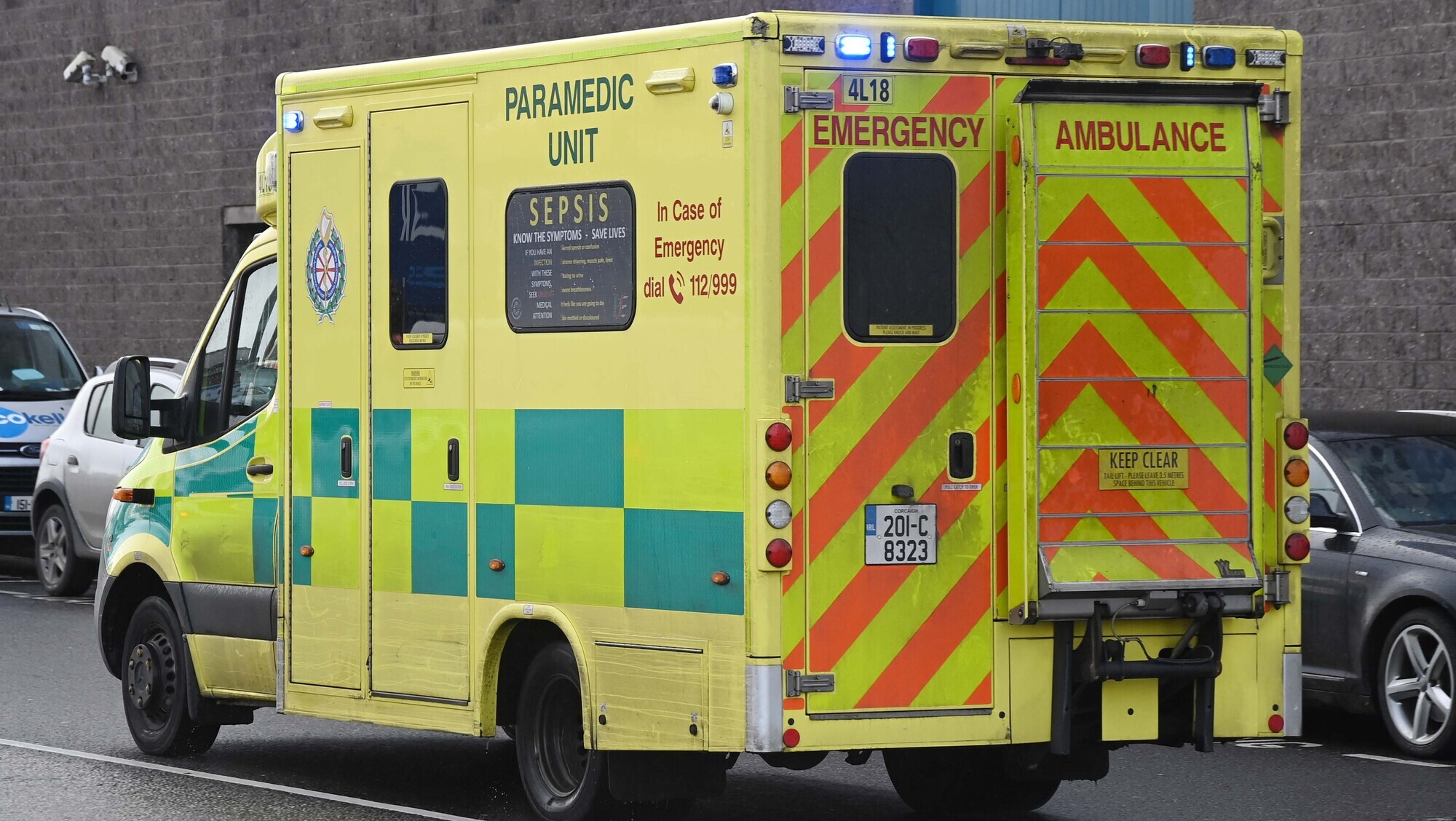
The trends are showing that falls are a major and growing concern in Ireland. In the UK, one in three older people who call an ambulance after a fall are not taken to hospital but are assisted from the floor by ambulance crews.
These calls are not always treated as high priority, meaning people may wait several hours on the floor for help.
Reducing the number of people who rely on ambulance services solely to get up from the floor would benefit both individuals and the health service.
Floor-rise training is available in Ireland. This is an important part of the FaME (Falls Management Exercise) programme. This six-month programme combines strength and balance training with safe floor-rise practice, often using soft mats, in a safe environment, trained by specialist instructors. Extensive research has shown that FaME reduces falls, decreases social isolation, and improves quality of life.
The FaME Ireland study at UCC, led by me in physiotherapy, has found participants report increased confidence, often described as âtransformativeâ, with the ability to rise independently from the floor a key factor.
Currently available in Cork, Dublin, Sligo/Leitrim and Kerry, FaME has strong potential for national expansion, though funding and governance challenges remain. A conference at Nano Nagle Place, UCC, in early March will explore how best to scale this impactful programme across Ireland.
To find out more, please visit our UCC FaME Ireland website and contact your local primary care physiotherapy, geriatrician, or GP to see if the programme is available near you, and whether it is suitable for you.
Dr Ruth McCullagh
Senior lecturer, programme director MSc Physiotherapy lead researcher on FaME Ireland Discipline of Physiotherapy, School of Clinical Therapies, UCC
Cyber threat is real and present
Some commentary in recent days points to the cyber threat that continues and will likely increase in intensity during Irelandâs presidency of the European Commission. This will start on July 1 next.
These concerns are real and present, raising the threat of technological disruption to many areas of public life: social welfare payments; financial interruption in state and private institutions, and many other spheres where the public and modern technology interact.
These threats are predictable, motivated by financial greed or corruption, but also some by state-led espionage. A lot can be defended against and we have some of the worldâs most expert practitioners working here in Ireland, courtesy of the IDA and a favourable taxation policy.
However, more worrying and unpredictable in vector and method is the threat of hybrid attacks, for which we are much less well prepared. Europe, and in particular our eastern partners, are no strangers to this threat.
In Poland, Denmark, Germany, Estonia, Belgium, and others, air travel has been disrupted, industrial facilities housing aid to Ukraine have mysteriously caught fire, military, security and nuclear facilities have been breached; and in Ireland lets not forget the drones that tried to disrupt normal diplomacy when president Volodymyr Zelenskyy visited Dublin.
At this more visceral level, we are behind the times.
It is publicly confirmed by European security agencies that the Kremlin orchestrated most of these operations, sometimes using remnants of the âWagner Groupâ (remember the âlittle green menâ in Crimea in 2014).
The objective of these activities is to sow uncertainty, to disrupt and to undermine normality and create a sense of insecurity.
We have not a lot of time. With a âwhole of societyâ effort, Ireland can develop a level of awareness and resilience that will help us through difficult situations.
We can be European leaders, if not in financial or military terms, but in the attitude we bring to rebutting these evident threats.
Tim OâConnell
Capt (retâd), Irish Defence Forces
Ballinteer
Robert Duvall was born to be an actor
I was deeply saddened to learn of the recent passing of Robert Duvall. The Oscar-winning actor celebrated for his roles in The Godfather and Apocalypse Now, leaves behind an amazing cinematic legacy.
I believe that one kind of knew if Duvall was in the cast of a movie , the film was going to be good.
Duvall was born to be an actor. It was said that his understatement was what made him stand out.
I truly believe that he was one of the greatest actors of all time.
RIP Robert Duvall.
John OâBrien,
Clonmel, Tipperary

Subscribe to access all of the Irish Examiner.
Try unlimited access from only âŹ1.50 a week
Already a subscriber? Sign in