Letters to the Editor: It takes courage to speak up about mental health
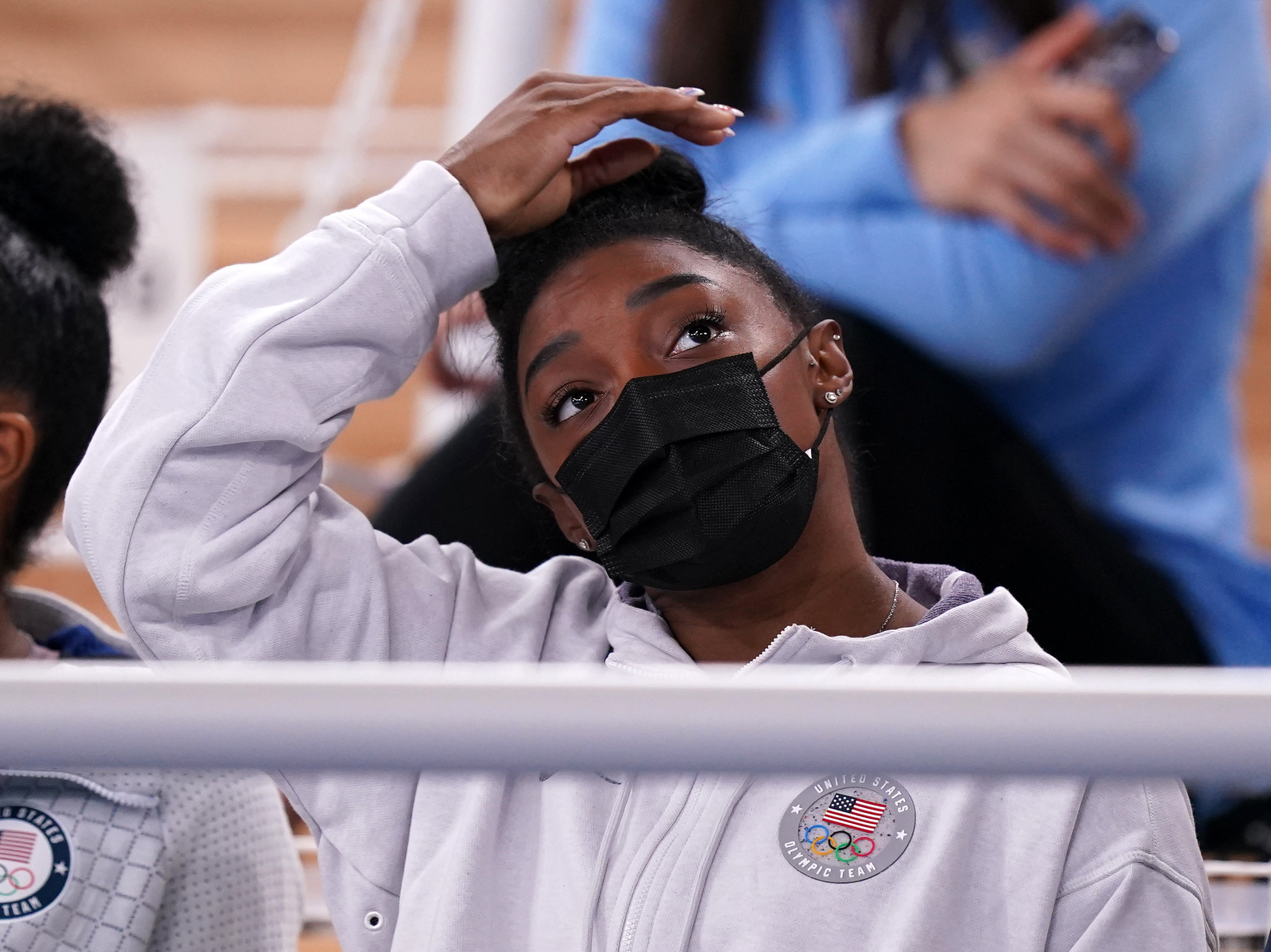
Simone Biles, US gymnast, should be commended for her brave stance in withdrawing from the Olympics to prioritise her mental wellbeing which she admits has been severely challenged due to the pressures of competing and being in the public eye.
One of the most courageous things a person can do is speak up about their mental health despite the potential repercussions.
I’d like to commend Simone Biles, US gymnast, for her brave stance in withdrawing from the Olympics to prioritise her mental wellbeing which she admits has been severely challenged due to the pressures of competing and being in the public eye.
We can be fairly certain that this decision by Simone was most certainly not taken lightly.
This comes just over a month since Naomi Osaka pulled out of the French Open after citing her struggles with depression, and the harmful effect of press conferences on her mental health.
At sporting events, mental health often goes without thought as physical wellbeing naturally takes precedence in such an athletic environment.
Simone has set an incredible example of the importance that we should place on our mental health and the direct connection between physical and mental wellbeing.
It is something that requires far more open conversation from now on.
It is a way to nurture your mind and maintain positive wellbeing.
Looking after mental health is for everyone, including Olympic athletes.
Mental health is just as important as physical health and needs the same level of commitment.
Since when has mental health been more important than a gold medal? Always. It is unfortunate that more people haven’t prioritised their mental, and physical, health over their sport, work, or any performances.
The recent withdrawals of Simone Biles from some Olympic gymnastics events and Naomi Osaka from the Wimbledon tennis championships highlights the pressure top-level sportspeople can face.
Yes, some of them can lead fantastic lives travelling the world but not all of them.
It is not a situation I ever faced but there were always nerves before any games and that was only in front of team-mates, school-mates, and occasionally parents in competitions that have long been forgotten.
There is so much that we have to worry about that perhaps we should all stop and ask for help when needed or even when we just want to talk to someone.
Wise choices Simone and Naomi.
In her letter — ‘We need to look at breastfeeding rates’ ( , July 24) — Mary Shanahan says: “Just 6% of new babies in Ireland are breastfed at six months. Surely there must be reasons for this low uptake. We need research on the 94% of mothers who stopped, or never started feeding breastmilk to their babies.
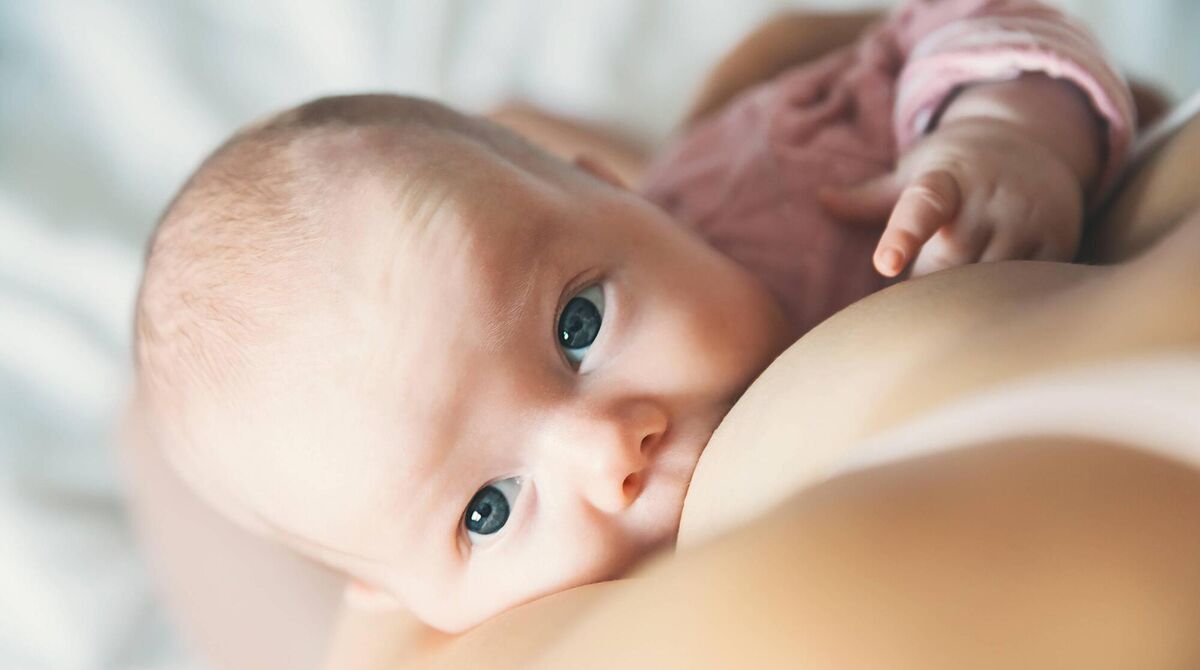
May I suggest some possible factors for researchers to explore.
(1) Many young mothers have, I suspect, never seen their mothers, aunts, or other family members breastfeeding infants and so they are not used to the idea and find it strange or embarrassing. In many cases, too, their mothers have never seen it done either and so cannot help or encourage them.
(2) One reason for this lack of family tradition is that their relatives have been brainwashed for generations with promotions of breastmilk substitutes.
(3) Many mothers with full-time or part-time jobs may not have suitable facilities for breastfeeding at their workplace.
(4) Many mothers may still worry about breastfeeding in public. Discreet breastfeeding is possible and they should ask other mothers for advice on how to do so.
(5) Victorian women breastfed their children; it was perfectly normal, even in that era of strict standards of decency and morality. While this was perhaps due to lack of good alternatives, we must realise that today’s alternatives are still not as good as breastfeeding.
What a joy to hear 'Amhrán na bhFiann' played to stirring acclaim to acknowledge the achievement of those truly talented, worldbeating, and gloriously uninhibited Corkmen: Paul O’Donovan and Fintan McCarthy.
Perhaps if Ireland’s rugby team ever reaches such heights, its toadying mentors will eventually allow them to cast off their timorous and banal 'Ireland’s Call' and proclaim themselves to be truly, proudly and uncravenly confident Irish people.
After a poor start to the rollout of the vaccination and insufficient procurement of vaccines, it is positive to see the rollout beginning to function as it should and needs to.
However, I am deeply concerned about reports I have received from healthcare professionals and volunteers from across the country of Covid-19 vaccinations remaining unused which are set to expire in coming weeks.
The most concerning example was of 500 vials/2,500 doses (each vial equals approximately five doses) of the Johnson & Johnson (J&J) going unused at a vaccination clinic in Swords which are set to expire in the coming weeks.
This is despite pharmacies having significant waiting lists for vaccinations.
There are similar, provisional reports from across the countries.
Some 2,500 doses of the J&J is another 2,500 people vaccinated.
Reopening has been dependent on vaccine rollout; there is a cost to society of vaccines not being used in time.
Vaccines going to waste delays our vaccination efforts and slows down our long-awaited return to normality.
There needs to be immediate clarity from the Minister for Health and the HSE as to reports of unused Vaccinations and their response to ensure these Vaccinations do not go to waste.
Taoiseach Micheál Martin says Minister Simon Coveney accepts that the appointment of Katherne Zappone as a special envoy without consulting him was an oversight but “we move on now”.
To use one of his own favourite expressions, the Taoiseach does not seem “to get it”.
Political patronage is as old as ancient Rome and Greece.
Nepotism in politics is rife in many countries, many are developing countries.
Ireland might consider introducing legislation to outlaw it in all its forms across politics, universities (senior managerial positions), and State boards.
It may require a ‘mindset shift’, but it would present us with an enhanced image at home and overseas.