Irish Examiner view: We need to keep vaccinating amid measles outbreaks
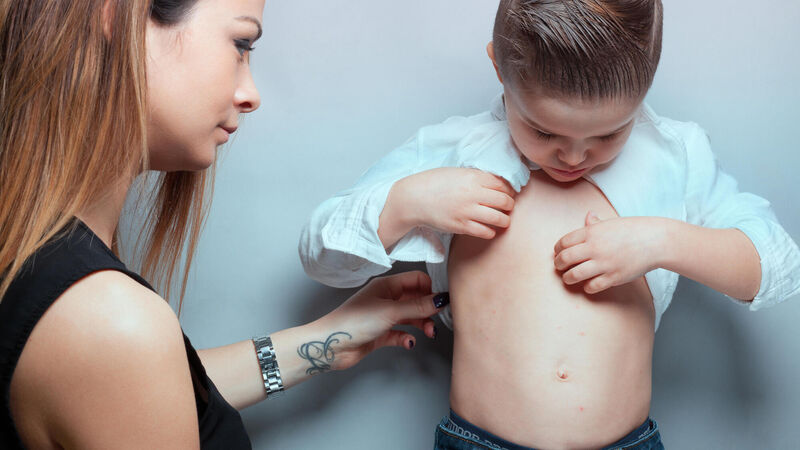
Ireland has earned its World Health Organization measles-free designation due to its assiduous vaccination campaign. Let's keep it that way. Stock picture: Alamy
Health authorities in England are struggling to contain a fast-spreading outbreak of measles, which has struck dozens of school-age children in one London borough.
One in five of the children infected has required hospital treatment. None of those taken ill was fully immunised.
Ireland is designated by the World Health Organization (WHO) as a measles-free country, which means we have had no endemic transmission of measles for 12 months. We have had that designation for a number of years. However, there is no room for complacency. The UK was also designated measles-free up until last year.
Earlier this month, the HSE issued a travel advisory for people planning to take ski holidays or travel to the Winter Olympics.
It warned that there had been recent and ongoing measles outbreaks in certain European countries, and advised people intending to travel to familiarise themselves with the signs and symptoms of the highly contagious illness, and to ensure that their MMR vaccinations were up to date.
Worryingly, the HSE also noted that data from the last three months of 2025 showed that MMR vaccine uptake among children aged 24 months was 87.6% — that is below the WHO target of 95% uptake required to prevent outbreaks.
Measles was once thought to be a relatively harmless childhood illness from which the vast majority would bounce back in less than a week. We know now that it is not. Measles can come with severe complications, including pneumonia, blindness, deafness, and brain damage. It can weaken the sufferer’s immune system, leaving the person unable to fight other illnesses. It is highly contagious and can be fatal.
We are fortunate to live in an age and society where vaccination against this potential killer disease is widely available. Yet, health authorities seem to be waging a constant battle against pockets of resistance to this, and other vaccinations. The infamous and now-discredited Andrew Wakefield paper, linking the MMR jab with autism, caused incalculable damage in the years following its publication in 1998. MMR vaccination rates dropped everywhere, leading to multiple serious outbreaks of the disease.
The Wakefield paper was comprehensively rebutted and discredited in the years following its publication, but misinformation and fake news are now being cited by Unicef and WHO as fuelling vaccine hesitancy and the consequent persistence of measles.
In a statement last week, the two organisations noted that measles cases across Europe and Central Asia had dropped significantly last year, down from 127,000 in 2024 to just under 34,000 cases in 2025. But the positive news came with a stark warning. The conditions that led to the resurgence of this deadly disease in recent years remain and must be dealt with. Until all children are reached with vaccination, and “hesitancy fuelled by the spread of misinformation” is addressed, children will remain at risk of death or serious illness.
These are preventable deaths and illnesses. We should not wait until there is an outbreak on our doorstep to have our children vaccinated.
The cost of hiring someone to do the work of a stay-at-home parent has been put at €60,112 a year. The calculation is made by life insurance company Royal London Ireland, which, for the past 10 years, has been putting a monetary value on the myriad tasks involved in running a household with children. The duties assessed include cleaning, cooking, childcare, transporting children, teaching assistance, and gardening.
What is interesting about this annual exercise is the extent to which people surveyed consistently underestimate the monetary value of people who provide full-time care and household management.
On average, Irish adults estimated the annual cost at just €34,447. One in four (24%) thought you could get the job done for between €20,000 and €30,000 a year and less than one in five believed it would cost more than €50,000.
The company’s interest in this, of course, is in raising awareness about the level of life insurance or serious illness cover a parent needs in order to give a family financial support in the event of death or serious illness. But it raises an interesting point about how heavily society depends on, and how little it values, this kind of unpaid labour.
Couldn’t the same be said of our attitudes to the carers who are doing similar unpaid, or very poorly remunerated, work, with very little recognition? While no parent of healthy children can reasonably expect to be paid for raising their families, perhaps aging parents looking after adult children with disabilities or special needs, people looking after elderly parents or siblings, and other carers might be entitled to expect a bit more recognition.
Family Carers Ireland estimates that carers provide 19m unpaid care hours per week, saving the State €20bn. Perhaps it is time someone conducted an exercise similar to the insurance company’s calculation to arrive at a more accurate monetary value of carers’ work, and pay them accordingly.
Tánaiste Simon Harris said this week that 2026 would have to be the year when the State would finally resolve outstanding issues facing thalidomide survivors, and issue an apology.
It is now more than six decades since thalidomide, a drug taken by women for morning sickness in the late 1950s and up until November 1961, was withdrawn from sale in Europe. It had been found to cause a range of birth defects, including shortening or absence of limbs, malformation of fingers and hands, damage to eyes and ears, and brain damage. Tens of thousands of babies were also stillborn, or died soon after birth, as a result of mothers taking the drug.
According to the Irish Thalidomide Association, the drug continued to be available in some Irish pharmacies for a number of years after it was withdrawn in other countries.
Many survivors, all of whom are in their 60s, have endured a life-long struggle. Pain, limited mobility, and poor mental, physical and emotional health are just some of the problems.
The association, representing 40 living thalidomide survivors in Ireland, has battled for decades for support, acknowledgement and a State apology. It has met 14 taoisigh, 27 ministers of health, and countless other politicians over the past 60 years. And still survivors wait.
It is past time that the Government resolved the issues around thalidomide survivors and issued an apology. In the words of Finola Cassidy of the Thalidomide Association, an apology is justified, long overdue, and is the right thing to do.
CONNECT WITH US TODAY



Be the first to know the latest news and updates