Irish Examiner view: Failing at the most basic of expected standards
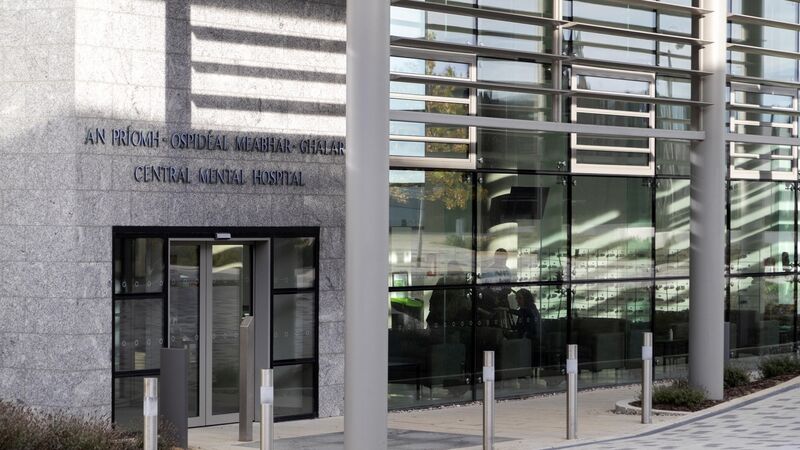
The Central Mental Hospital, Portrane, Co Dublin. Picture Colin Keegan
The Central Mental Hospital opened in Portrane, Co Dublin, in 2022 at a cost of €200m, and it has had a relatively chequered history ever since.
For instance, while the facility has the capacity to handle 170 people, due to various constraints — such as challenges in attracting psychiatric nurses — it currently has an operating capacity of 112.
Going back further, an inspection in 2024 by the Mental Health Commission revealed a host of problems to be addressed, ranging from procedures around patients and records, to work on parts of the building.
Now the facility is back in the news again for the wrong reasons, with Cormac O’Keeffe reporting here that patients at the hospital are being advised to wear extra-warm clothing and are being provided with more bedding at night because of faults with the hospital’s heating system.
It is hard to believe this is the situation in 2026, not least because when opened, the Government described the hospital as “state of the art”, with a natural gas combined heat and power plant, a central energy centre with a “natural gas-fired medium temperature heating system”, as well as a heat recovery system.
Now that heating system is malfunctioning, and hospital management have rented large industrial air-blow heaters in order to warm the hospital.
Given modern levels of awareness of mental health, this is an appalling way to treat vulnerable people.
Those in a mental health hospital — particularly one which is so new — surely have a reasonable expectation of modern standards, such as reliable heating.
The matter is made all the more pressing because of forecasts of an upcoming cold snap, with temperatures expected to fall below zero in the coming days.
It is good to learn that the hospital authorities are at least trying to provide some warmth with rented industrial heaters, but that is offset by the simultaneous realisation that patients are also being advised to wear warmer clothes to stave off the cold.
A serious investigation is needed to establish why this “state of the art” hospital’s heating system has not even lasted four years, and who is responsible.
Readers will be aware of plentiful anecdotal reports of the general chaos on our roads, as evidenced by tales of dangerous and aggressive driving — as well as the widespread congestion on many of the nation’s main traffic arteries.
Running in parallel with such reports is a recurring lament: Where are the gardaí who could enforce the rules of the road and improve safety standards?
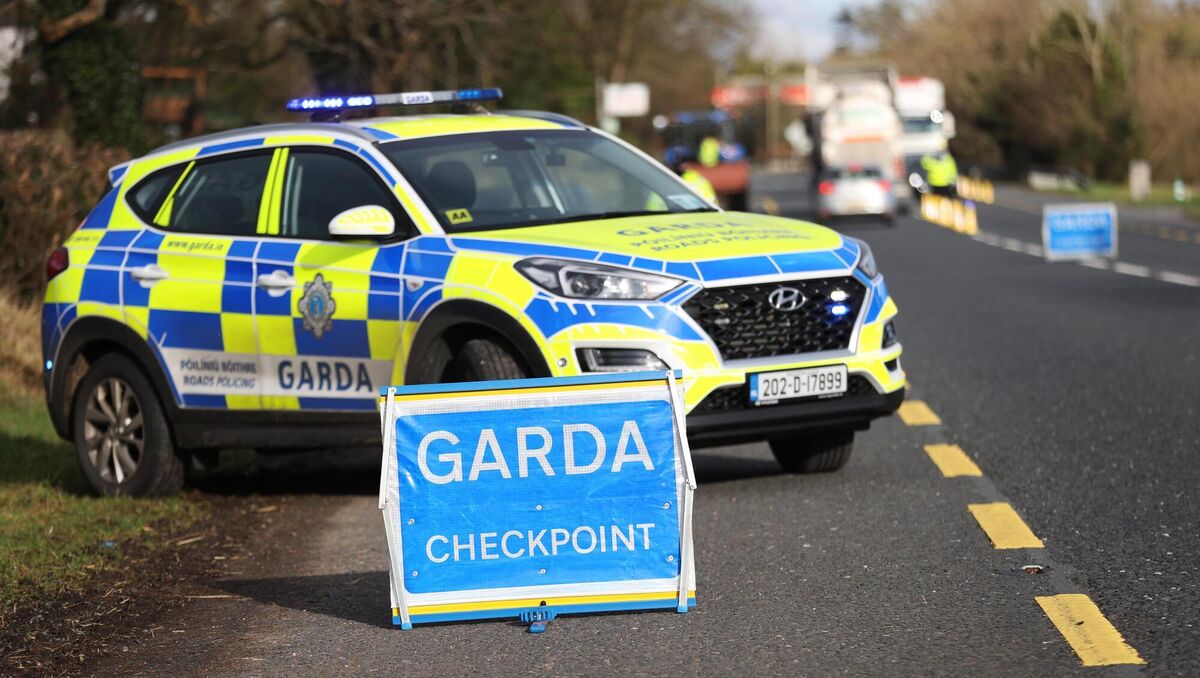
Judging by a Louise Burne report here, the perception that the gardaí are not quite as visible as they were may have a solid foundation in fact.
There are now almost 400 fewer gardaí in roads policing units than there were patrolling 15 years ago.
In some of the regions, the number of gardaí in roads policing has halved since 2009; in addition, 40 fewer vehicles are tied to traffic units compared to 2024.
These shocking figures, published by the Gardaí and compiled by the Parc Road Safety Group, show there were 1,046 gardaí in the then-traffic corps units across the country in 2009. By December 2025, this number had fallen to 647, a decrease of 399 (38%).
It is difficult to see how any organisation could function properly when its headcount has been reduced in this way, particularly one which has had well-publicised issues of morale and productivity.
Last August, the Crowe Report — an independent review of the roads policing unit to assess its effectiveness and integrity — found a number of the unit’s gardaí were “unproductive” and appeared demotivated and unconcerned with doing good work.
Supervisors and managers were nervous that “any attempt to invoke sanctions would create industrial relations problems”.
Ineffective road traffic policing has the potential to have a serious impact on many people’s lives.
If there are 40% fewer people engaged in such policing, then that drop in personnel also has the potential to affect people’s lives.
One crucial element in stopping the carnage on our roads is garda visibility and enforcement of the law.
Lives are being lost while our traffic police are undermanned and under-motivated, and that cannot be allowed to continue.
Recruitment and reform should be expedited to improve this situation.
The Winter Olympics may not command quite the same level of interest as its summer equivalent, but the current Milano-Cortina Games are certainly trying hard to change that state of affairs.
Norwegian biathlete Sturla Holm Laegreid dominated the news cycle with his emotional confession and public apology for cheating on his girlfriend after winning bronze in the individual 20km race this week.
His unprompted confession has drawn criticism not only for diverting attention from gold medallist Johan-Olav Botn but from the memory of Sivert Guttorm Bakken, a Norwegian biathlete who died just before Christmas last year.
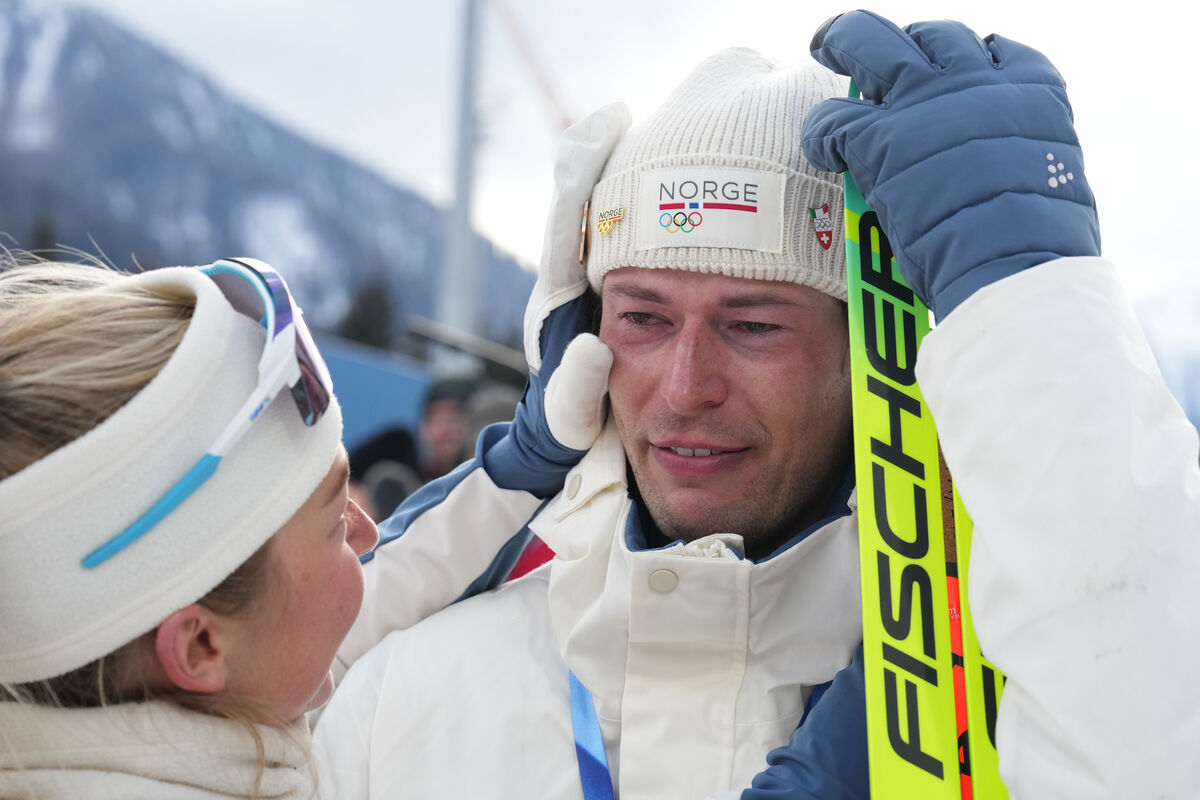
Lægreid’s girlfriend has now weighed in, saying his infidelity is “hard to forgive”, but she is struggling for media attention with the press focus switching to breaking medals.
At least two medallists, Breezy Johnson and Alysa Liu, have stated their medals broke almost as soon as they received them — with Johnson showing reporters her damaged medal at a post-event media conference.
We seem to have found the international sports event which best sums up our chaotic world.
CONNECT WITH US TODAY



Be the first to know the latest news and updates