Irish Examiner view: Families are being hit from all sides
Wage growth has not been a barrier against inflation — nor has it been equally distributed among the working population
Irish Examiner view: Families are being hit from all sides

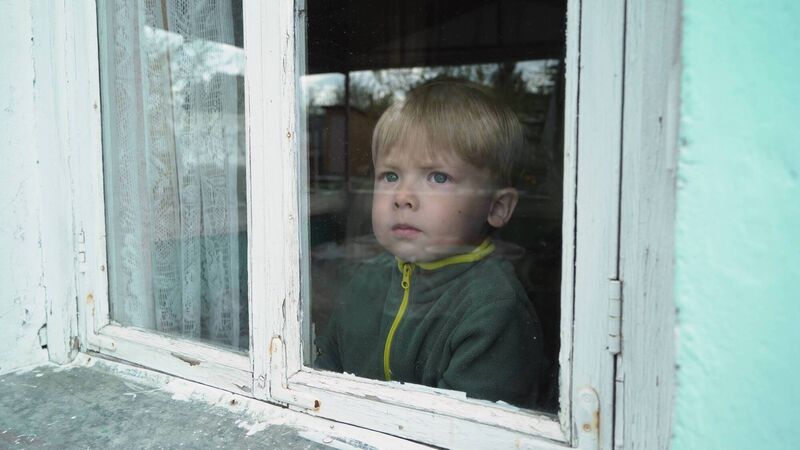
Families that would previously be considered to have a good middle income are feeling the strain now. Picture: iStock

You would want to have been living under a stone to have made it to 2026 without having felt the squeeze from the cost of living in some way — it doesn’t matter that the average weekly income is now over €1,000, as reported last week. 

Wage growth has not proven an effective barrier against relentless inflation and other cost increases, nor indeed has wage growth been equally distributed among the working population.

The next time you get a takeaway coffee, and note that it costs more than last year, ask yourself if your barista’s pay has increased by the same percentages. 

Chances are it has not, and an increase in the minimum wage does not make it suddenly a living wage.

And while the economy has been holding up, despite tariffs and other strifes, economist Jim Power tells Neil Michael in today’s Irish Examiner: “Over the next couple of years, you will see a slowdown in consumer spending, and a tough environment for the retail sector, and for people in the hospitality industry”.

We are more-or-less at full employment without much spare capacity, as the report notes, meaning prices are likely to remain high.

The pressure is manifesting in different ways. In these pages (print and online) on January 1, we ran a report by Sean Murray detailing how gambling has been on the increase as people try to seek a way out of the cost-of-living crisis

Spending on gambling has increased 20% year on year, and not just on what might be seen as “recreational” (eg, the lottery, or something occasional) but driven by actual need. This, in turn, raises the risk of falling into addiction, not to mention the chances of losing one’s shirt. As it is, the report noted that some 300,000 people are in arrears on their electricity bills.

According to CSO figures, in 2024, well over 500,000 people — 11.7% of the population — were classed as being at risk of poverty, up from 10.6% in 2023.

One suspects the figure is likely higher at the start of 2026, with the Society of St Vincent de Paul having braced itself before Christmas for a staggering 250,000 calls for help, with numbers earlier in the year already up 7% on 2024. It’s not keeping up with the neighbours driving people into debt so much as keeping their heads above water.

There are plenty of savings on deposit in the country, though they are not equally distributed, and even families that have what would traditionally be considered a good middle income are feeling the strain and finding there is little in reserve between pay packets. 

And if unexpected costs hit, there may not be a cushion there to absorb them.

The cost of housing continues to eat up or even surpass some incomes, and that’s not factoring in childcare, commuting, or food. 

The choice between eating or heating should not be a hardy annual when it comes to the lived experience of people in this country — and yet, like the housing crisis, it seems to have become almost normalised.

Many people, perhaps due to their own struggles (remember, everybody you meet is fighting their own battle), have become desensitised to statistics. These are hard to apply to your own life — unless, of course, you are unfortunate enough to slip into one of the categories that ends up a statistic, like consistent poverty or enforced deprivation, or arrears on essential bills such as light and heating. 

It’s a reminder, given the recent cold snap and the many more extreme weather events that face us in the years to come, that we should remember to check in with family members and neighbours who may be vulnerable.

As it is, people suffering from deprivation also face challenges in other areas — with Sean Murray’s report this morning highlighting that the legal aid system seems on the verge of collapse.

He notes a report by the chief executive of the Free Legal Advice Centres, Eilis Barry, that the civil legal aid “system is failing to meet significant levels of legal need, particularly among people and communities experiencing poverty, deprivation, and discrimination.

“First and foremost, civil legal aid is not treated as a fundamental right, a core social service or an investment that will benefit and save money for individuals, communities, the courts and the State. It should be.”

Justice delayed is justice denied, and some people face waits of up to 64 weeks to see a solicitor, while “exemptions to the scheme mean that women bringing sexual harassment claims against employers in the Workplace Relations Commission, tenants challenging no-fault evictions in the Residential Tenancies Board, and carers of disabled children appealing the refusal of social welfare payments have no access to legal aid”.

These are members of society who do not necessarily have the resources to put their hand in their pocket for private legal representation, and so find themselves sorely disadvantaged as a result of chronic underfunding of state systems.

With such intense pressure hitting families on so many fronts, even the slightest relief would be sorely welcomed.

EU-Mercosur trade deal

With the cost of living remaining at the upper end of pricey, it will be interesting to see in the coming months and years if the massive EU-Mercosur trade deal brings benefits to the consumer. So far, they have remained in the background of any debates over the deal, which Ireland opposed after an intense campaign by farming groups and a TD revolt.

There is nothing inherently with a lobby group vociferously and vigorously defending the interests of its sector, much as employees would hope their trade unions would defend them. It is understandable that beef, being an important part of our export economy in particular, might feel under threat, even if the amount of South American beef coming in under the deal is still less than 2% of EU consumption.

Farmers are worried that prices in the EU will fall on the back of cheaper imports, although the consumer here will welcome any reprieve however small, while there have been many claims that public health is being put at risk from lower food standards — yet the imports will still be taxed, as well as subject to the EU’s rigorous standards. We have already seen hormone-laced Brazilian beef withdrawn from sale here, showing that the system works.

And not enough attention has been given to the possible benefits to the Irish economy and Irish companies. Like the Canadian trade deal in 2019 (very little Canadian beef ended up here), it may potentially offer a new export destination, if not for beef then for things like dairy and whiskey, both areas we remain world leaders in. While only time will tell, Ireland may end up better off in the long run.


More in this section

Revoiced

Newsletter

Sign up to the best reads of the week from irishexaminer.com selected just for you.

Cookie Policy Privacy Policy Brand Safety FAQ Help Contact Us Terms and Conditions

© Examiner Echo Group Limited