Irish Examiner view: Delays to colonoscopy tests could be a matter of life or death

Some people have been waiting over twice as long as the recommended time period for colonoscopies. To make matters worse, that delays appear to be increasing. Picture: iStock
This week, we learned that thousands of people have been waiting far too long for vital cancer testing procedures, a problem which seems to be getting worse.
Some 2,764 people have waited between 29 and 60 days for an urgent colonoscopy between January and May this year. According to the guidelines issued by the HSE, those with symptoms of bowel cancer should be seen within 28 days. That means some people have been waiting for over twice as long as the recommended time period for this vital intervention.
To make matters worse, that number appears to be increasing, as 3,623 people were waiting longer than the recommended timeframe in 2024. The Irish Cancer Society pointed out that in 2017, no patient in Ireland had to wait longer than 28 days for an urgent colonoscopy, yet if the current trend continues through 2025, more than 6,500 people will not be seen within the 28-day period. The society’s description of this development as a shocking deterioration in service, which is putting lives at risk, cannot be contradicted.
This may seem at first glance yet another health service fiasco, one in a long line of similar disasters.
But bowel cancer is a particular challenge. It is the second most common cancer in men, the third most common cancer in women, and the third leading cause of cancer death in Ireland.
The Health Information and Quality Authority (Hiqa) said this months screening from the age of 50 was likely to be effective in terms of reducing deaths from colorectal cancer.
However, plans for earlier screening are meaningless if that screening cannot be carried out. The long waiting times for colonoscopies which were revealed this week are a disheartening reminder that even established processes can break down, given the deterioration in waiting times between 2017 and the present.
Strategies conceived with the best of intentions count for little if they cannot be put into practice.
The man responsible for the killing of Irish soldier Private Seán Rooney was sentenced to death at a military tribunal in Beirut, Lebanon, this week.
According to Lebanese media reports, Mohammad Ayyad was sentenced to death and fined 100m Lebanese pounds, or approximately €970.
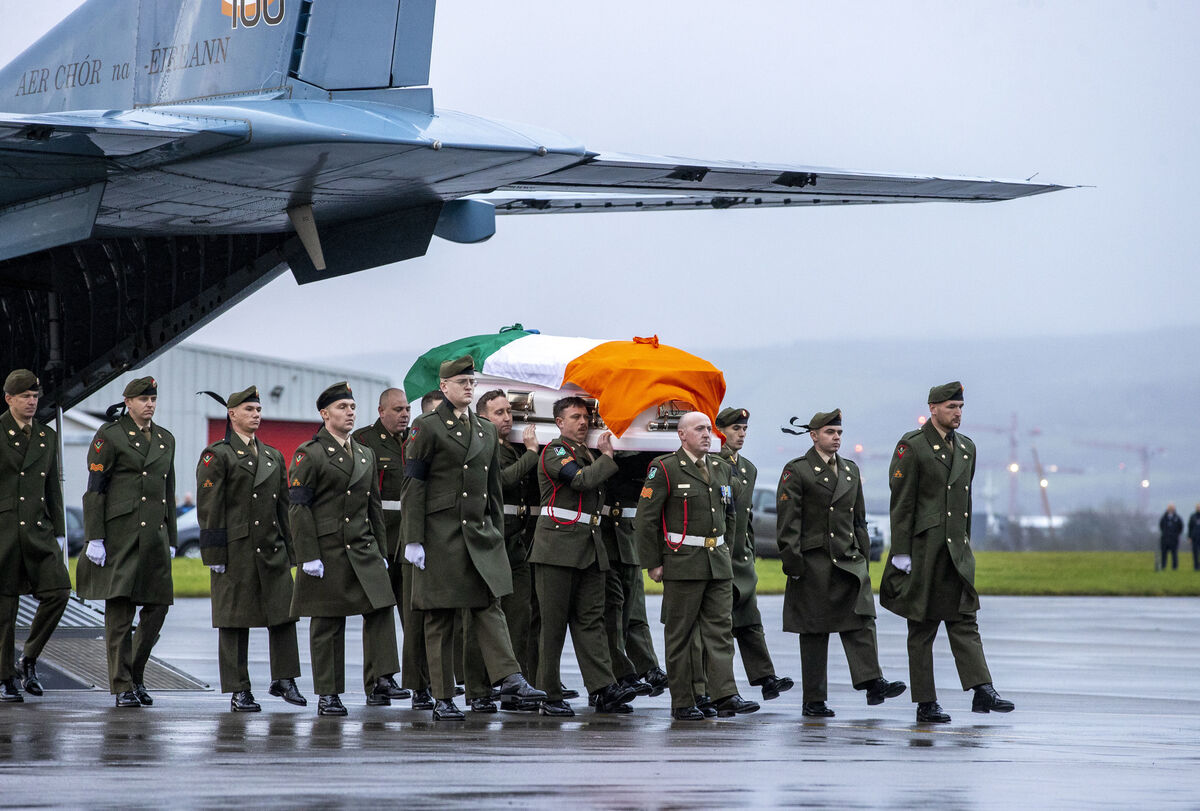
Another defendant was sentenced to three months, while yet another received one month: They were both fined as well.
Ayyad was not in court for the sentencing however, while local media have reported that Lebanon has not carried out an execution in decades — so he is likely to receive a prison sentence instead. Pt Rooney, of Newtowncunningham, Donegal, was killed when a UN peacekeeping force was targeted in an attack on their vehicle in at Al-Aqbiya, Lebanon, in December 2022. He was 24 years old.
Those responsible have received light sentences, with the exception of one individual who remains at large in the country and did not even have to attend the sentencing.
Concerns have been raised repeatedly about the progress of this case, and the verdicts issued this week show the validity of those concerns. A justice system in which a killer does not even have to be present in court when sentenced to death hardly seems fit for purpose.
The Rooney family, which has already had to deal with the trauma of losing a loved one, has been badly let down by that justice system. Taoiseach Micheál Martin weighed in on the matter yesterday when saying that the case had taken too long and that some of the sentences issued were unduly lenient.
It should also be pointed out, perhaps, that earlier this year the Taoiseach also said: “Hezbollah are responsible, in my view, for the murder of Seán Rooney.”
Some armchair activists might bear that in mind when signalling their advocacy for certain groups. Pt Rooney made the ultimate sacrifice for peace and his family deserve the support of all.
The next Garda commissioner was announced on Tuesday, with Justin Kelly — who was appointed deputy commissioner for security, strategy, and governance in October 2024 — taking over from the outgoing commissioner, Drew Harris.
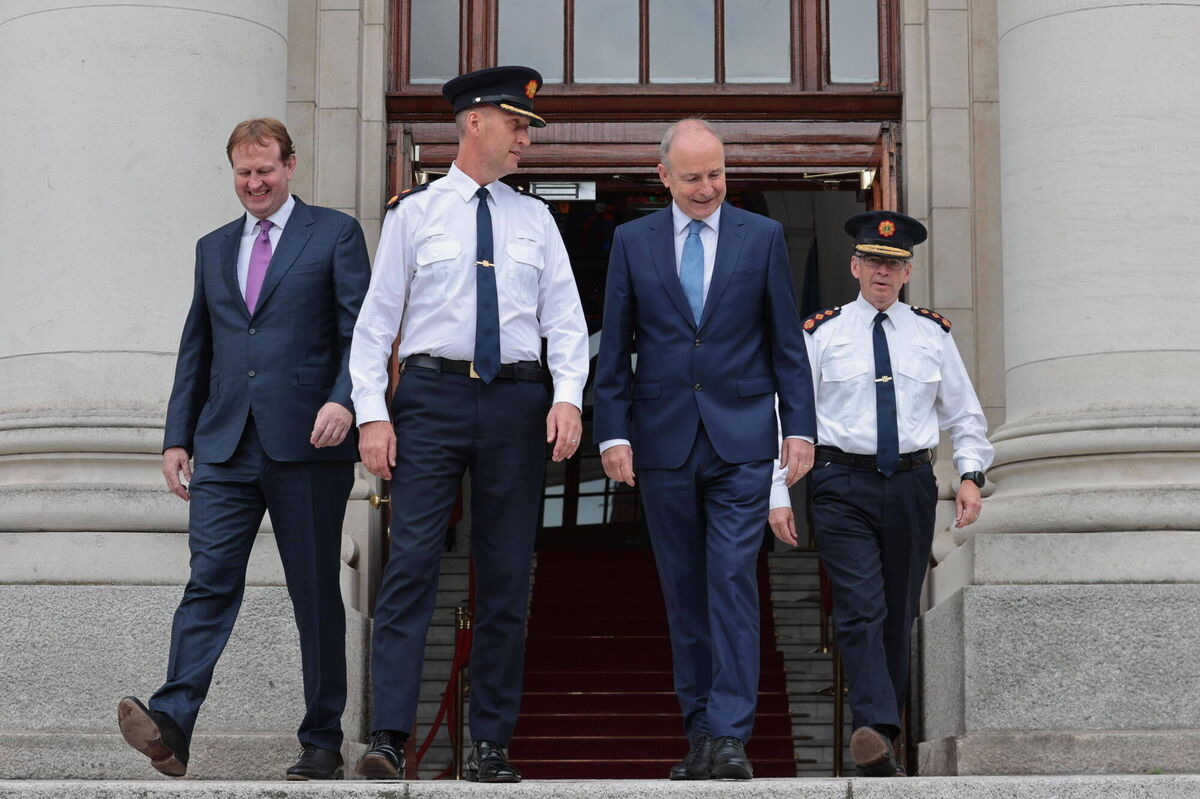
The process was far from straightforward, given the reticence of some senior officers to apply for the post because of pension implications.
At one point, it was even suggested that those pension implications might mean only applicants outside Ireland would apply for the position.
This is not to cast aspersions on such applicants, but at this fraught time in Irish life, it is surely preferable to have someone at the helm of the national police force who is already familiar with the particular challenges facing An Garda Síochána.
That is certainly true of Mr Kelly, to judge by his policing background, which includes stints as assistant commissioner with responsibility for serious and organised crime, as well as detective chief superintendent in the Garda counter-terrorism unit.
The rise of the far right, the ongoing threat of drugs gangs, the operation of rogue states in Ireland, the shadow cast by cybercrime — these are all challenges requiring urgent attention. Morale and standards within the force will also be scrutinised. Mr Kelly’s appointment coincided with reports of a former garda being jailed for seven years for impersonating a colleague online, and inciting men to come to her home and rape her.
The new commissioner’s in-tray is already full. Best wishes to him.


CONNECT WITH US TODAY



Be the first to know the latest news and updates