Irish Examiner view: Pandemic probe is a horse of a different colour
People who feel unjustly treated, or unheard, will not quietly disappear
Irish Examiner view: Pandemic probe is a horse of a different colour

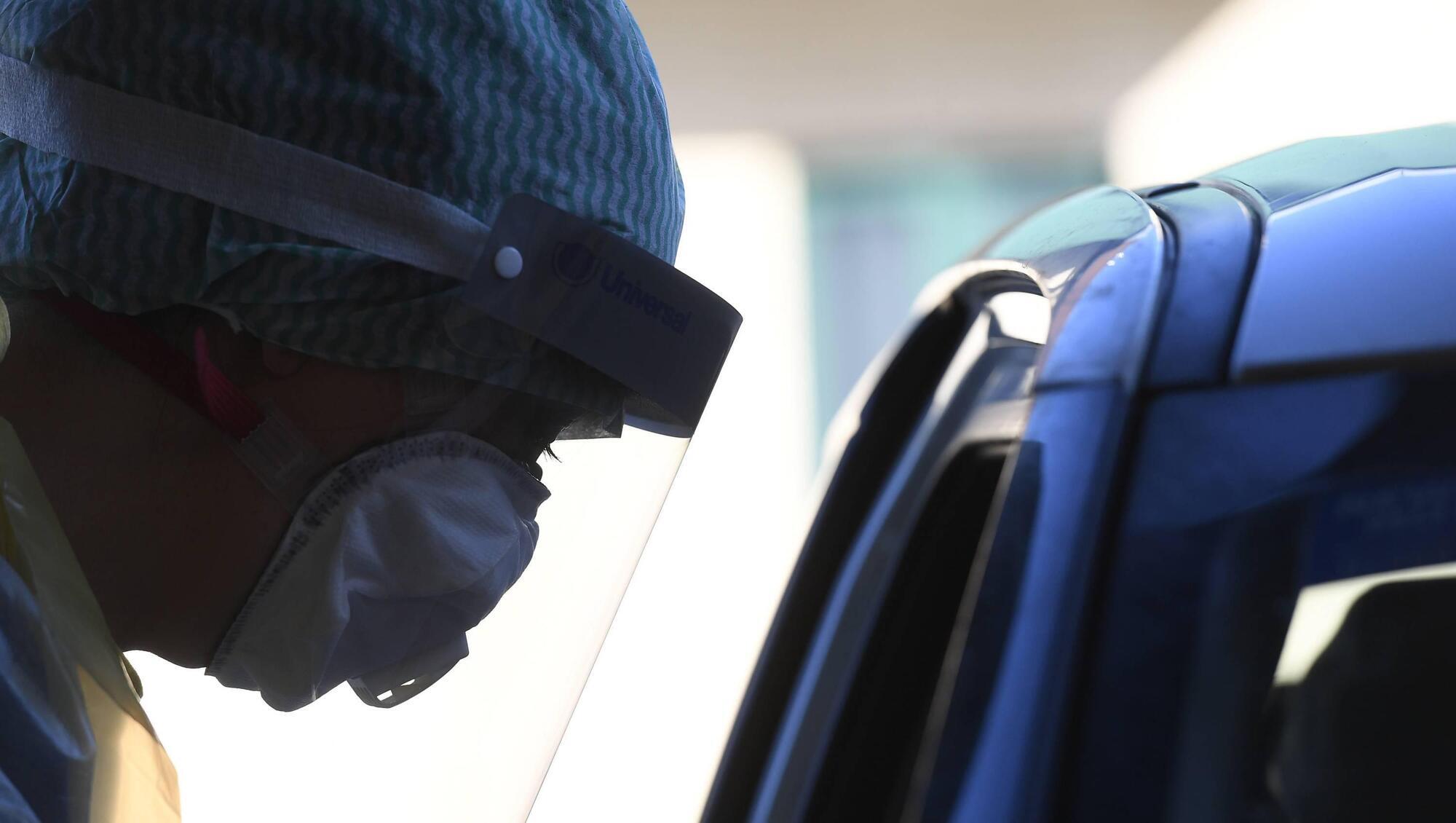
Wide-ranging decisions radically affected our lives, and livelihoods, for more than two years from the winter of 2020. File picture

In many ways, the shape of the official review into the State’s handling of the covid-19 pandemic fits that old description that a camel is a horse which has been designed by a committee. 

Except that it is no laughing matter for the relatives of those who died during the greatest peacetime health crisis in memory.

And nor should it be for any citizen actively concerned about the manner in which we are governed and who expects a clear and unambiguous account of the background to the wide-ranging decisions which radically affected our lives, and livelihoods, for more than two years from the winter of 2020.

Indeed, the consequences of the virus are still with us. 

Official HSE advice is that if you test positive you should stay at home for five days, avoiding contact with other people, especially those in the “higher risk” categories.

Just this week, Ireland was among 124 countries which supported a freshly-minted international pandemic agreement which enables the World Health Organization to make non-binding recommendations on lockdowns and mask-wearing and to co-ordinate a global response.

On Thursday, we were given our first insight into the scope of our painfully slow government review. 

The concerted attempt to reduce inquiries to the most vanilla form possible could not be more apparent.

The stated objective of focusing on why decisions were made, rather than whether they were right or wrong, might be a laudable piece of window dressing, but it also represents the triumph of hope over experience.

People involved from government, healthcare, or nursing homes can choose whether or not to attend while relevant documents from official sources will not be made public.

Also withheld will be transcripts of interviews and it is not planned to name any individuals in the final report. 

This anonymity not only has the potential for confusion but is positively dangerous because it will encourage people to join up the dots.

There will be occasional livestreams of roundtable discussions to share updates, with the first one set for next month. 

It is not yet known who will take part in this sole public-facing part of the process.

The panel chairwoman, Professor Anne Scott, argues that this laissez-faire approach will create “a more open, more flexible, dynamic” and means that no one will need legal representation. 

But it seems unrealistic that lawyers won’t get in on the act somewhere along the journey.

The best the panel can do is “hope” that the Government acts on its recommendations, whenever they emerge.

For understandable reasons the chosen approach is already falling short of the expectations of those who lost family members. 

One advocacy group, Care Champions, has already described it as “fundamentally inadequate” and “unfit for purpose.” 

There is tangible anger over the fact that bereaved relatives remain without access to the medical records of deceased persons.

As of the start of this year there had been nearly 1.8m cases of covid and just under 10,000 deaths in Ireland. 

Nearly 90% of those who died were aged 65 or over, many with underlying illnesses.

We wish well for Prof Scott and her small team, which seems lightly resourced for the scale of the task. 

She says they have already received “voluminous” numbers of files.

On the day she announced her plan, another, separate, legal argument was forming involving hundreds of survivors who have been excluded from the State redress scheme for the mother and baby homes. 

Its inexorable progress towards a landmark High Court case should be a reminder for authorities that people who feel unjustly treated, or unheard, will not quietly disappear.

Trump unleashes threat of the big ‘Five-Oh'

So, now we know what figure Donald Trump had in mind. And it’s not a pretty one.

His announcement on Friday to increase tariffs on EU goods by 50% from June 1 unleashed a sea of red ink on global stock markets.

Micheál Martin described it as “enormously disappointing”, and that can be considered an understatement from the Taoiseach. 

We are one of the countries in Europe most exposed to White House jiggery-pokery and retaliation.

While the US president has dialled back many of his threats in the past month, he harbours a particular animus towards the EU, which means that concessions may be slow to extract.

Mr Trump’s onslaught carries a double whammy for us because of the threat to Apple — one of Ireland’s biggest taxpayers and tech employers — of a 25% levy on its products imported to the US from its Asian supply chains.

The exposure of the pharma industry to more grandstanding is, as yet, unresolved.

Uncertainty breeds instability and loss of confidence. That takes demand out of the economy.

We may have to batten down the hatches until the trade winds become more favourable.

Reputation a matter of perspective

The matter of reputation — and, in particular, political reputation — has been at the front, back, and centre of separate court cases in Ireland this week.

In Tralee’s Circuit Civil Court, Kerry’s well-known TD Michael Healy-Rae was battling for the removal of a series of comments about him placed on social media by a former general election candidate and activist.

Nearly 300km to the east, an entirely different case was being heard in Dublin High Court with ex-Sinn Féin leader Gerry Adams suing the BBC for defamation, saying the organisation falsely accused him of sanctioning the killing of British agent Denis Donaldson at a cottage in Glenties, Co Donegal, in 2006.

Mr Adams is seeking “very substantial” damages of at least €200,000, said his senior counsel, Declan Doyle, after a four-week hearing, which included evidence from former tánaiste and Irish attorney general Michael McDowell.

Former Sinn Féin president Gerry Adams, Picture: Brian Lawless/PA

Mr McDowell told the court: “I have never met any politician who did not believe he was a leading member of the IRA during its armed struggle and, thereafter, he was a dominant figure within the army council when the Good Friday Agreement and the ceasefire came into operation.” 

For Mr Adams, his lawyer told the jury, the award of damages was about “restoring and vindicating” his client’s reputation. 

The BBC coverage was selective in its depiction and ignored his “reputation for peace and reconciliation” in 2016, when the story was run.

“Reputations change over a period of time,” he added.

In the Healy-Rae case, the demand was for what is known as an “interlocutory order” which ordains the temporary removal of some dozen social media posts by their author, Michelle Keane, of Knocknagoshel, until their veracity and accuracy is tested at a defamation hearing.

As is frequent in the clamorous times in which we live, there is widespread misunderstanding over the difference between free speech and opinion and the difficult matter of establishing truth, a matter neatly explained by Judge Ronan Munro. 

He said he did not wish to silence Ms Keane, who was in the same political arena, but anything said about Mr Healy-Rae had to be responsibly verified and balanced.

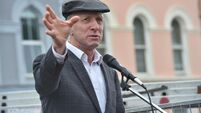
Independent TD Michael Healy-Rae. Picture: Liam McBurney/PA

His ruling, he said, did not mean Mr Healy-Rae could not be criticised or held to account. 

But there had been “no attempt to distinguish between suspicion, allegations, and facts”, and the posts were “utterly lacking in balance”.

“Belief, even intense belief, in the truth of statements is not the same as truth,” the judge added.

While this particular case points to the desirability of all citizens benefitting from some form of media training, particularly in an era when almost everyone seems to think of themselves as a “citizen journalist”, it is notable, also, that these matters are being heard shortly before the abolition of juries in libel trials.

After last month’s 86 to 64 vote in the Dáil, cases starting after the bill is passed will be heard before a judge. 

It will be ironic, therefore, if some of the last to process involve politicians who, as a class in general, are among the public figures who are most jealous and protective of their reputations.

It was Shakespeare’s Hamlet who observed that “there is nothing either good or bad but thinking makes it so”, meaning that personal perspective changes everything. 

The management of perception in a world which is quick to judge is now a crucial life skill.

x

More in this section

Revoiced

Newsletter

Sign up to the best reads of the week from irishexaminer.com selected just for you.

Cookie Policy Privacy Policy Brand Safety FAQ Help Contact Us Terms and Conditions

© Examiner Echo Group Limited