Irish Examiner view: Biden’s stumbles change the game
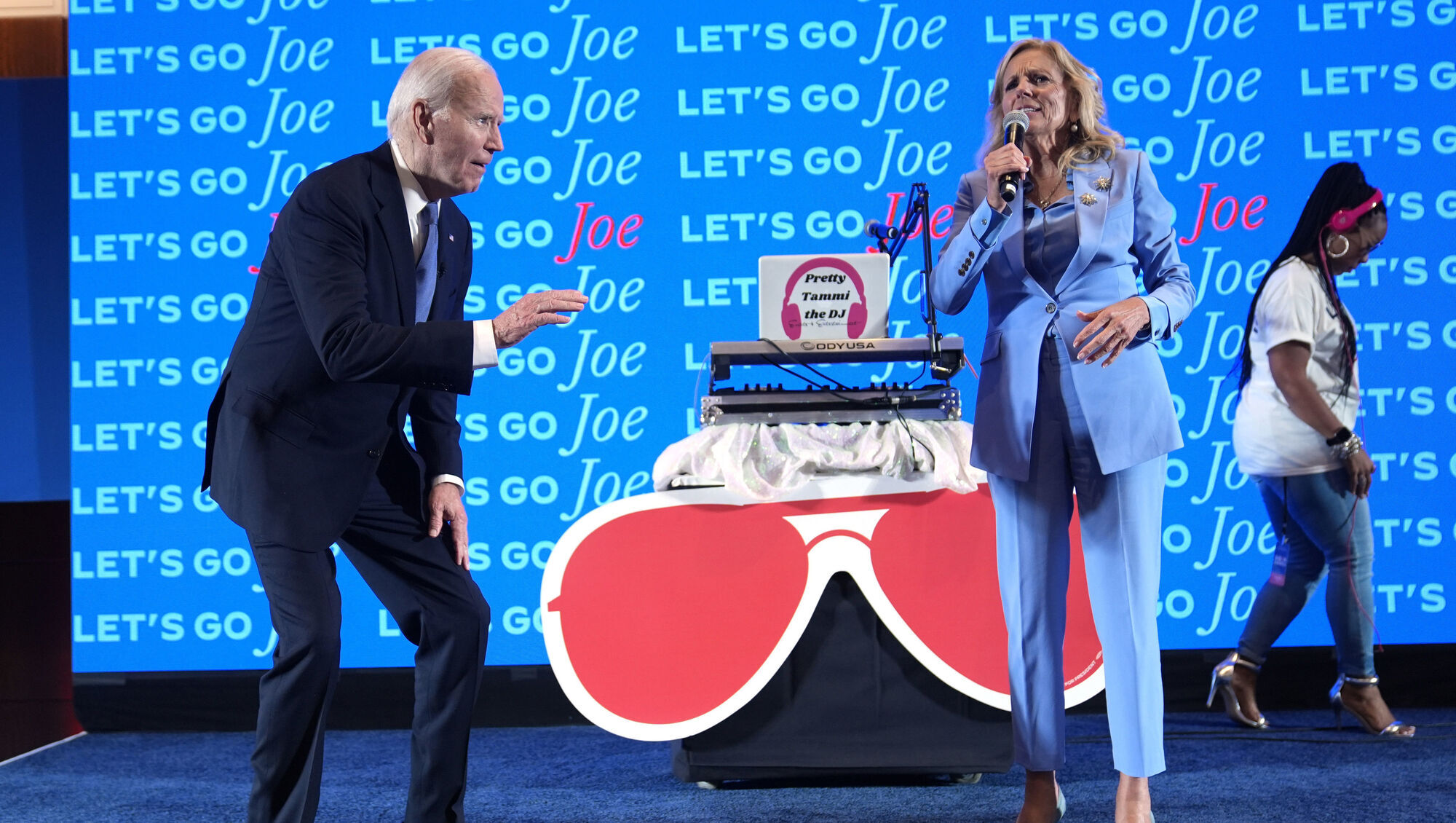
President Joe Biden, left, and first lady Jill Biden at the presidential debate watch party in Atlanta. Picture: Evan Vucci/AP Photo
The comment was first heard on Wednesday night during an uninspiring debate between two candidates bidding to take charge of Britain, the world’s sixth-largest economy.
And the question could equally be applied 24 hours later to the two men hoping to run the globe’s number one financial power after Thursday’s ill-tempered encounter at the CNN studios in Atlanta, Georgia.
“Are you really the best we’ve got?” was the query posed to Rishi Sunak and Keir Starmer by a studio participant in their final BBC debate before that country’s general election next Thursday. It made both men wince.
A similar thought arises after the painful face-off between a stumbling Joe Biden and Donald Trump in the first of two encounters before polling starts for the White House on Tuesday, November 5.
There were, of course, no representatives of the electorate on hand to embarrass these candidates.
CLIMATE & SUSTAINABILITY HUB
Biden needed no assistance with that and, as demonstrated previously to everyone’s satisfaction, Donald Trump is a man who does not embarrass easily.
The debate publicly exposed the fissures and uncertainties which have been running through the Democratic campaign since they anointed the incumbent as the best person to lead the nation for five more years.
While you would expect both men to disagree on practically everything except God Bless America, it was not immigration, abortion, the economy, foreign affairs, or climate change that brought the sharpest focus.
It was in the differences of their presentation.
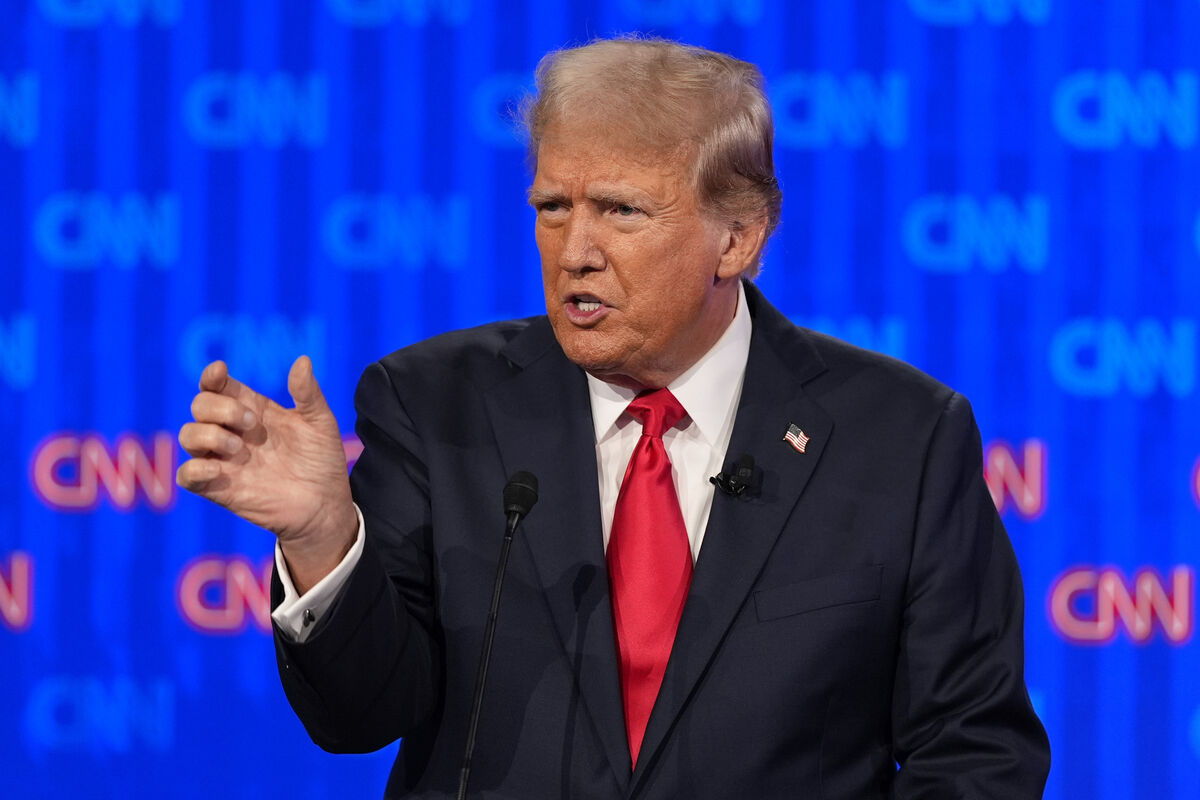
President Biden mumbled and stumbled through his answers, asserting afterwards that it was “hard to debate a liar” and that he thought “we did well”.
It is not a view universally shared.
One prominent donor for the Democrats, Mark Buell, said that Biden now had to consider whether he was the best nominee.
“Do we have time to put somebody else in there?” he asked.
A member of the Democratic National Committee, Nadia B Ahmad, told the : “Now would be a good time for Biden to drop out, citing health concerns.”
Trump’s approach was simply to roll out what he regards as the rap sheet against President Biden, a process well-rehearsed from his rallies, but this time delivered to his face unchallenged because of rules, requested by the White House, which keep opponents’ microphones muted while their opposite numbers make their address. Nor is there factual intervention by the mediators.
Thus it was that the former president was able to rerun his familiar assertions that Biden is “weak”, that overseas leaders are “laughing at him” and that he is a “Manchurian candidate” unduly influenced by China.
Alongside these were his usual tropes about immigrants and crime; that the White House “encouraged” Russia to attack Ukraine and that his previous administration “had the best environmental numbers ever”.
For the record, those figures were ameliorated by the need to lock down during the pandemic.
Modern candidates for office really don’t have to do much these days other than wait for their under-pressure rivals to shoot themselves in the foot.
But the worrying question is now fully centre stage.
Does Biden have the mental acuity, coherence, and vigour to lead his party to victory through another four months of tough campaigning?
If not, then who?
Yesterday marked the 110th anniversary of what some writers describe as the most fateful second chance in history.
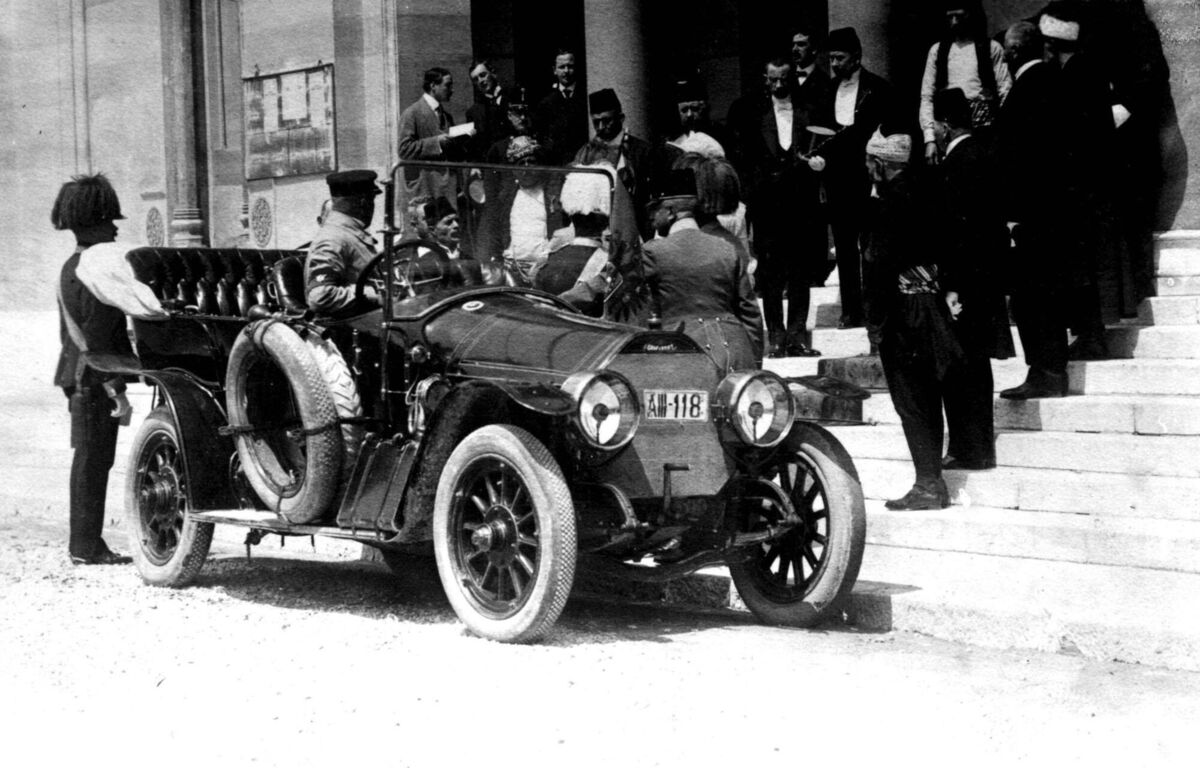
On June 28, 1914, an aspiring assassin was standing on a seat in front of a delicatessen near the Appel Quay in Sarajevo, around noon, when the car carrying Franz Ferdinand, the heir presumptive to the throne of Austro-Hungary, and his wife Sophie, stopped 5ft in front of him.
Earlier in the day, Gavrilo Princip, a Serbian nationalist, watched his accomplices botch a bombing attempt on the archduke.
But Princip didn’t miss the opportunity presented by the coincidental reappearance and shot, and fatally wounded, the royal couple.
The murder led to the July Crisis and then to what the author Barbara Tuchman described as the Guns of August, when the great powers and their system of alliances led the world into a war which changed everything, and which resonates to this day.
Earlier this month, new data from the Institute for Economics & Peace confirmed that more countries are participating in conflict than at any time since the Second World War ended in 1945.
Some 92 of them are engaged outside of their borders. This has risen from 59 in 2008.
But what is significant is that war is increasingly the province of middle-ranking economies.
In sub-Saharan Africa, 36 out of 42 countries were involved in at least one external conflict between 2018 and 2022.
It is commonplace now to say the world is a more dangerous place. And it is. Whether we in Ireland have fully adjusted to that fact is more doubtful.
If Taylor Swift is tempted to make a donation to our food banks — as she did while visiting London, she might first ask herself a useful question.
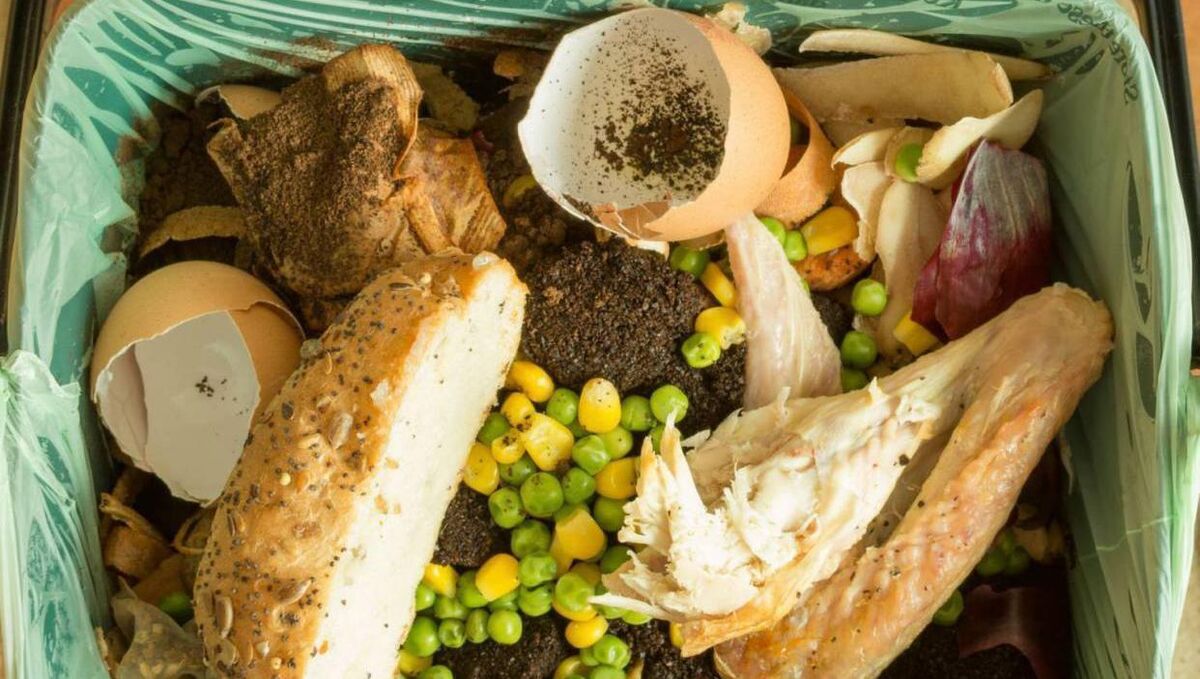
Why is it that Ireland, whose memory of famine is part of our national collective psyche, is so wasteful that we throw away the equivalent of 1m meals a day?
These shocking statistics are produced by the Environmental Protection Agency (EPA) and show that over 750,000 tonnes of food waste was generated within one year.
Supporters of the “glass half full” philosophy of life will point to the fact that this does not represent an increase on 2022.
Those who believe “the glass is half empty” will counter that it doesn’t represent any improvement either.
We binned as much food last year as we did the year before.
The total equates to 146kg of food waste per person per year — markedly higher than the EU average of 130kg.
The average cost per household is €700, producing an annual bill of nearly €1.3bn.
The most commonly wasted foodstuffs are vegetables, followed by bread.
Both are staples, and both are perishables. At the very least, it implies overproduction.
Big questions have to be asked of the nation’s food and drink businesses who are responsible for over 70% of the nation’s waste, with hotels identified as major culprits.
Are there any Government targets to reduce this profligacy?
Of course there are, but like housing and carbon emissions, they have delivery dates down the road.
Two years ago, the National Food Waste Prevention Roadmap was published with the hope of halving Ireland’s food waste by 2030.
Audit and monitoring is the first step as part of the EPA’s “circular economy” programme.
Consumers can play their part by ensuring that unavoidable food waste is segregated for collection into an organic bin which collectors have been obliged to provide to households since January.
Composting, which can be a dark art in itself, is also being recommended.
We have commented previously on the lack of portion control which can be experienced in many restaurants and pubs, and while they are provided with the best of intentions — to deliver value for money — there is something to be said in being cruel to be kind.
Smaller starting sizes with an option for seconds is an appealing idea which deserves a wider currency.
Or we could consider reducing our general consumption of ultra-processed foods which scientists maintain are displacing healthy diets “all over the world” and which some leading nutritionists say should carry the same kind of warnings as tobacco products and alcohol.
In some economies, more than half the average diet now consists of such foods, such as various kinds of cereals, protein bars, fizzy drinks, ready meals, and fast food.
They make their own contribution to obesity and other harmful effects.
Putting those into the waste bin, and rehabilitating vegetables, is a good policy for our society.
CONNECT WITH US TODAY



Be the first to know the latest news and updates