Itâs always worth wondering what big retail companies, and their image-makers, are trying to tell us about ourselves when the latest crop of Christmas advertisements reaches our screens. This year we are receiving very mixed messages.
Most of these 90-second campaigns emerged from creative teams midsummer in what has been a confusing, tense, and worrying year. Soaring inflation; insecurity in the housing market; energy charges beyond the reach of many; conflicts in Ukraine, and now in Palestine.
Small wonder, then, that we have had some confusing and downright puzzling results.
M&S food kicks off with a pair of talking mittens, voiced by Wrexham FC owners Ryan Reynolds and Rob McElhenny.
Canadian songster Michael BublĂ©, on behalf of Asda, extols the virtues of mince pies. Rick Astley rolls up for Sainsburyâs, in a campaign described by one critic as âstodgy as an undercooked stollenâ.
Boots offer flight compression socks for Father Christmas; Morrisons have singing oven gloves; Lidl stars a sad raccoon which, although cute, is an invasive non-native species, teaming up with what most people take to be an XL Bully dog.
Perhaps this was a good idea in the brainstorming session?
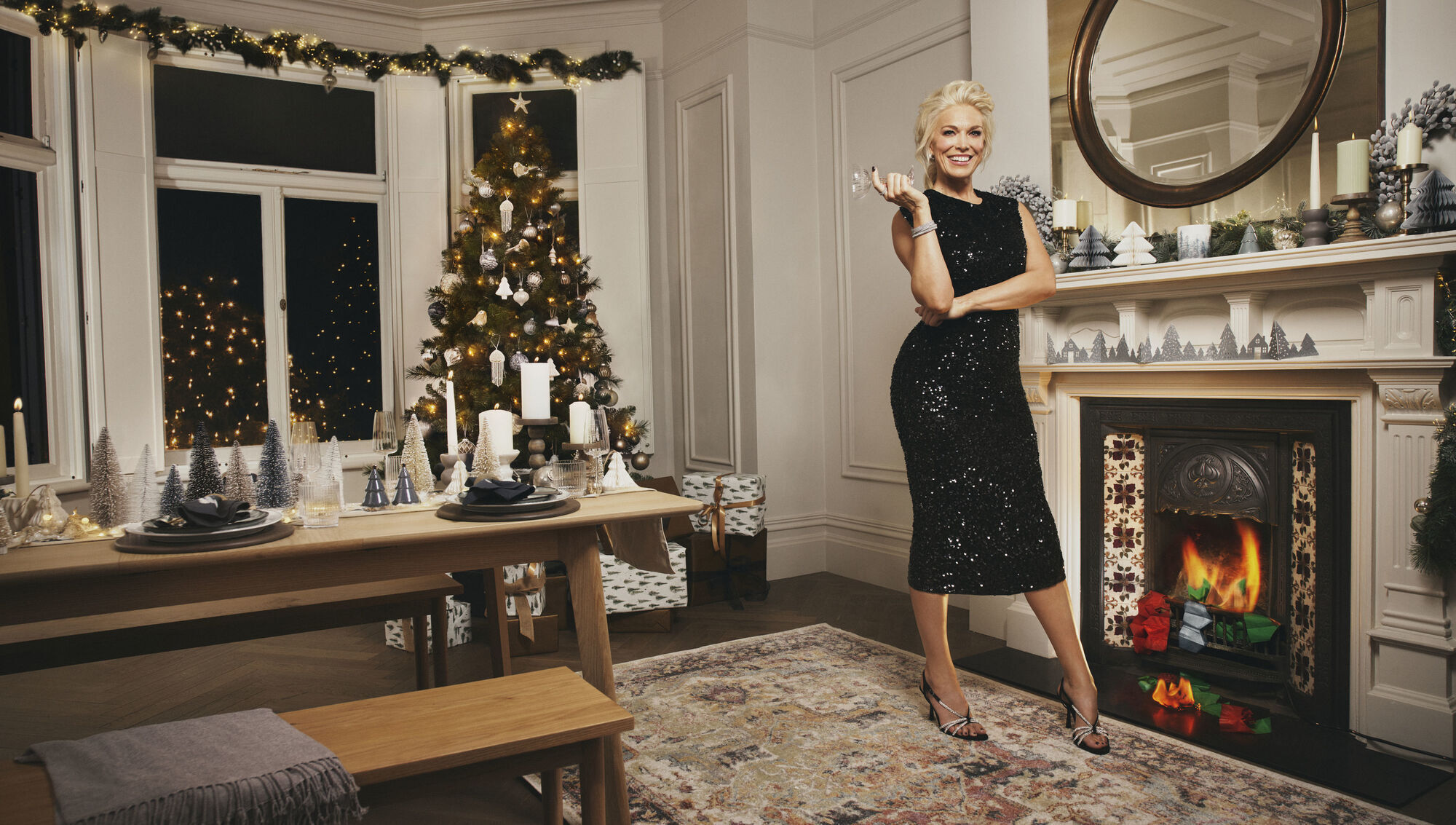
Another strange one is the second offer from M&S, for its home and clothing business, which showcases the ubiquitous Hannah Waddingham, Ted Lassoâs Rebecca Welton, weighing up the destruction of a Christmas elf, and Sophie Ellis-Bextor torching her Christmas cards to a version of Meatloafâs âI Would Do Anything For Love (But I Wonât Do That)â.
The uplifting moral of this advertisement is that you should only do what you want at Christmas (celebrate âthisâmas, not âthatâmas). Many of us will take a different view, that Christmas is about what you do for others.
This particular ad, filmed in August, was subject to a typical round of social media madness, when protestors complained that red, white, and green party hats set on fire were a subliminal encouragement to burn the flag of Palestine â which shares the same colours. The outtake was deleted from Instagram and the company apologised âfor any unintentional hurt causedâ.
The first TV ad ever broadcast was for a Bulova watch in the US, in 1941, but iconic festive ads didnât really imprint themselves on our collective consciousness until the 1980s.
Long in the memory are that decadeâs ESB âGoing Homeâ ad, with its Irish mammy and the music of Dusty Springfield; or the black-and-white Guinness ad depicting a snow-covered Dublin; or Barryâs Tea âisnât that Santa a smart fella? Put the kettle on and weâll have a cuppa teaâ voiceover.
Some ads donât disappoint in 2023. Graham Norton, in a tuxedo, cavorting to Depeche Modeâs âJust Canât Get Enoughâ for Waitrose â a business desperately trying to recover its sparkle â comes to mind and delivers what is likely to be the catchphrase of the season in a West Cork accent: âGolden bĂ»che de NoĂ«l? Yes, it is.â
Amazon Prime features three old ladies enjoying a toboggan race, to an instrumental version of âIn My Lifeâ by The Beatles. âJoy is sharedâ is the message and a reminder that although Christmas is for everyone, it is of particular importance for young people and for those whose first flush of youth is a distant memory. It is time to be kind.
Give us a date for covid inquiry
There is no truth in the rumour that bookmakers are setting the odds on which will come first â the first snows of the winter season or the Governmentâs announcement of the terms of reference for the long-promised covid inquiry.
But the odds would be on the snow at the moment. The Taoiseach Leo Varadkar says the process is ânot going to be about putting anyone on the dockâ, but will be focused on âwhat we did right and what we did wrongâ.
We have had a long time to contemplate our approach, and there is some justification for believing that it was worth waiting for the public to see what an acrimonious inquiry might look like, with all manners of unpleasantness emerging in the hearings taking place among our neighbours across the sea. But the time for procrastination is over.
We do need to understand what worked, what didnât, and what the implications are for a public health service that is complaining about being underfunded and finding it impossible to recruit and retain staff.
It is right that any inquiry should be chaired by a retired judge, with the ability to co-opt experts to gather testimony and information. Right also that there should be active public participation in the inquiryâs terms of reference and the ability to channel the experiences of citizens into the process.
The arrangements for doing this, with 28 working days between now and Christmas (and fewer before the DĂĄil goes into recess), are unannounced â and the clock is ticking.
At this stage, aspirations to contain the inquiry within a 12-month span look optimistic.
We need to be on our guard
We would do well as a country, and an electorate, to heed the warnings about potentially destabilising interventions from bad actors in the elections that are to take place in Ireland during 2024.
An example of the kind of mayhem that can be circulated online occurred this week when British police had to intervene over the distribution of a false recording of London mayor Sadiq Khan in which it was suggested that Armistice Day services and ceremonies should be suspended. It is believed that this may have been created using an AI program.
False-flag communications, such as the Ems Telegram and the Zinoviev Letter, have been common in history. But now, technological gloss can be added to the potential for misdirection. The US Department of Stateâs warning about Russian attempts to interfere in our domestic elections is a signal, before campaigning starts, that we must be on our guard.

Subscribe to access all of the Irish Examiner.
Try unlimited access from only âŹ1.50 a week
Already a subscriber? Sign in
CONNECT WITH US TODAY
Be the first to know the latest news and updates