Irish Examiner view: Leadership needed over teacher staffing

Schools all over the country are struggling with teacher retention and recruitment challenges
While some of the problems with retention and recruitment are particular to the teaching profession, it’s also clear that this crisis is also being driven by broader problems facing modern Ireland.
While some of the problems with retention and recruitment are particular to the teaching profession, it’s also clear that this crisis is also being driven by broader problems facing modern Ireland.

This is the time of year when the prospect of returning to school dominates households all over Ireland, with accompanying financial pressures in many cases.

The added complication this year, however, is the staffing crisis which faces many schools. Teacher retention and recruitment are serious challenges which schools all over the country are struggling with.

This has the potential to affect children in many ways, with the Teachers’ Union of Ireland (TUI) suggesting this week that a shortage of teachers in second-level schools is narrowing the range of subject options available to students.

There are several options being considered to address this problem, ranging from increasing teaching allocations to allowing schools more full-time, permanent jobs, from halving the duration of the two-year study programme required to become a second-level teacher to reducing the red tape facing teachers returning to work here after a spell overseas.

While these are laudable suggestions, some come with inherent problems.

If two years of study is deemed necessary to achieve a professional master of education in order to teach, then can a one-year course offer a similar level of preparation and training?

As for cutting back on the amount of “red tape” facing teachers returning to Ireland, the occasional rogue example from the medical profession underlines the need for close scrutiny of qualifications and fitness to practice rather than the opposite.

While some of the problems with retention and recruitment are particular to the teaching profession, it’s also clear that this crisis is also being driven by broader problems facing modern Ireland. In Dublin, for instance, the issue of affordable accommodation for newly qualified teachers has been identified as an ongoing problem when it comes to recruitment, while the TUI has described the culture of precarious work — which affects many areas of employment — as driving people away from teaching as an option.

While it is traditional to say such problems have no quick fixes, the Department of Education must offer leadership here with schools about to reopen.

Pub closures

The changes in Irish life can be tracked in many ways, but one striking difference between today’s Ireland and the country 20 or 30 years ago is the dwindling number of pubs, which is noticeable in all parts.

A report from the Drinks Industry of Ireland has put a precise figure on this vague sense of vanishing pubs, revealing this week that 1,937 pubs have closed since 2002, with 108 pubs closing in 2022 alone.

On one hand, this is hardly surprising, with the sharp changes in lifestyle we have seen in these past two decades. More people now drink at home, while drink driving is thankfully anathema. These two factors alone are surely linked to the declining numbers of pubs.

This decline also has significant regional variations. The report pointed out that the number of pubs in Dublin has only fallen by 3.4%, while in Limerick and Cork the fall has been 32% and 30% respectively, and over a quarter of pubs in Tipperary, Waterford, and Clare have closed since 2005.

Clearly, this indicates a disproportionate impact on rural areas, an impact which is difficult to overestimate.

While the status of a pub as an informal “community centre” in many areas can sometimes be overstated, it is still a small local business — often family-owned and family-run — as well as an attraction for tourists and passing trade which might not otherwise stop in a rural area.

When such a pub closes, there’s often a double economic blow to the community as a result. Jobs are lost and there is one fewer reason to visit.

The disappearance of so many pubs from rural areas has therefore weakened communities considerably, particularly as the institutions to replace them do not seem to exist.

Rose of Tralee

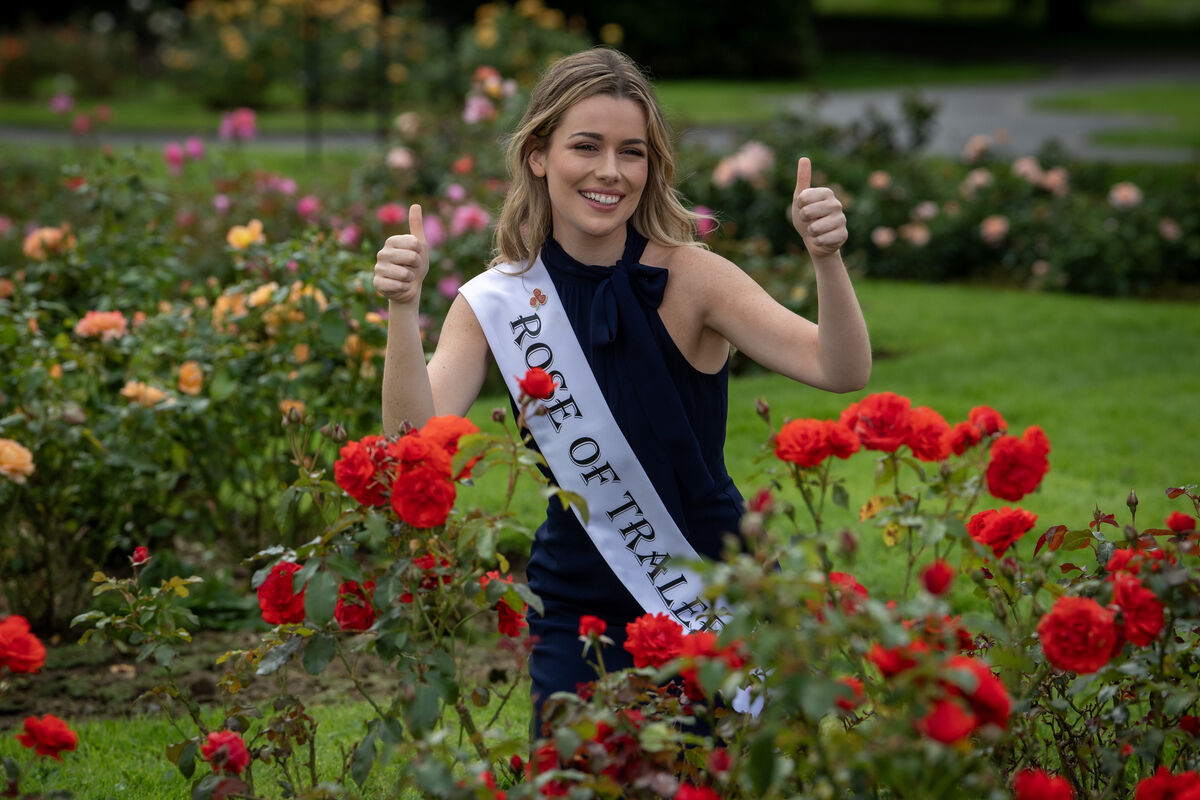
The 2023 International Rose of Tralee Róisín Wiley said being a participant in the festival had 'empowered me more than anything I’ve ever done in my life', which is a somewhat inconvenient response for critics of the festival. Picture: Domnick Walsh/Eye Focus

The Rose of Tralee Festival ended with New York’s Róisín Wiley named as Rose of Tralee.

Wiley, whose parents are from Limerick, said being a participant had “empowered me more than anything I’ve ever done in my life”, which is a somewhat inconvenient response for critics of the festival.

The charges laid against the Rose of Tralee are usually that it is outdated and misogynistic, reducing contestants to the status of compliant extras in a real-life version of Father Ted’s ‘Lovely Girls’ competition. Those arguments seem difficult to reconcile with Wiley’s comments, comments which also buttress an implicit retort: Given the primacy in modern life granted to one’s lived experience, who has the authority to gainsay the newly crowned Rose?

To complicate matters further, male critics of the festival run the risk of being found guilty of mansplaining to participants where they have gone wrong, which practically amounts to a capital charge in the current climate.

One of the festival’s achievements is that it reflects aspects of Ireland which rarely feature on primetime, literally and figuratively. The Clare Rose shared the powerful story of her community in Feakle’s support for her family since her parents passed away, for instance — an inspirational story few would have known without the forum offered by the festival.

It seems odd that in a summer when one female figure changed from a caricature of femininity to a champion, other female figures remain fair game for unfair criticism.

Or is empowerment confined to Barbie alone?

More in this section

Revoiced

Newsletter

Had a busy week? Sign up for some of the best reads from the week gone by. Selected just for you.

Cookie Policy Privacy Policy Brand Safety FAQ Help Contact Us Terms and Conditions

© Examiner Echo Group Limited