Irish Examiner view: Respect for Irish passport must be protected

The Immigrant Investment Programme was closed down last February. Picture: Colin Keegan/Collins
The programme — allowing immigrants to secure Irish residency and passports on the basis of investment in the country — was a good idea in principle but appears to have been poorly run, going by the consultants’ report.
It should not be forgotten that despite questions about the programme’s governance and oversight, it is similar in outline to other European countries’ schemes.
Ireland is far from the only country offering passports in return for significant investment, and to give our domestic authorities their due, some other jurisdictions do not police their passport procedures with the same diligence.
However, it is a sign of the times that one of the issues which arose in considering the operation of the scheme was the over-reliance on applicants from China, who made up 97% of those seeking passports by the time the scheme ended.
It was a significant week for such a revelation, as just days ago we learned that Ireland faces a “very real” threat of economic espionage and academic interference from China, according to various security experts based here.
There is another consideration when it comes to the value of the Irish passport, and that is its integrity on the international stage.
We also learned this week that the Irish passport is ranked as the fourth most powerful in the world according to the Henley Passport Index — last year Ireland was sixth in the index, which measures how much freedom citizens have to visit other countries.
The Henley index shows that Irish passport holders can visit 188 countries out of 227 without a visa, which is a strong acknowledgement of the respect afforded our passport around the world. In that regard, we cannot accommodate any programme which threatens its standing.
Last Monday, the authorities in Moscow announced that Russia was to withdraw from an international agreement that has allowed Ukraine’s grain to be shipped to global markets, the Black Sea Grain Initiative.
Since last August, the initiative has allowed millions of tons of grain to leave Ukrainian ports, but not only has Russia now opted out, it has focused its attacking capabilities on those ports.
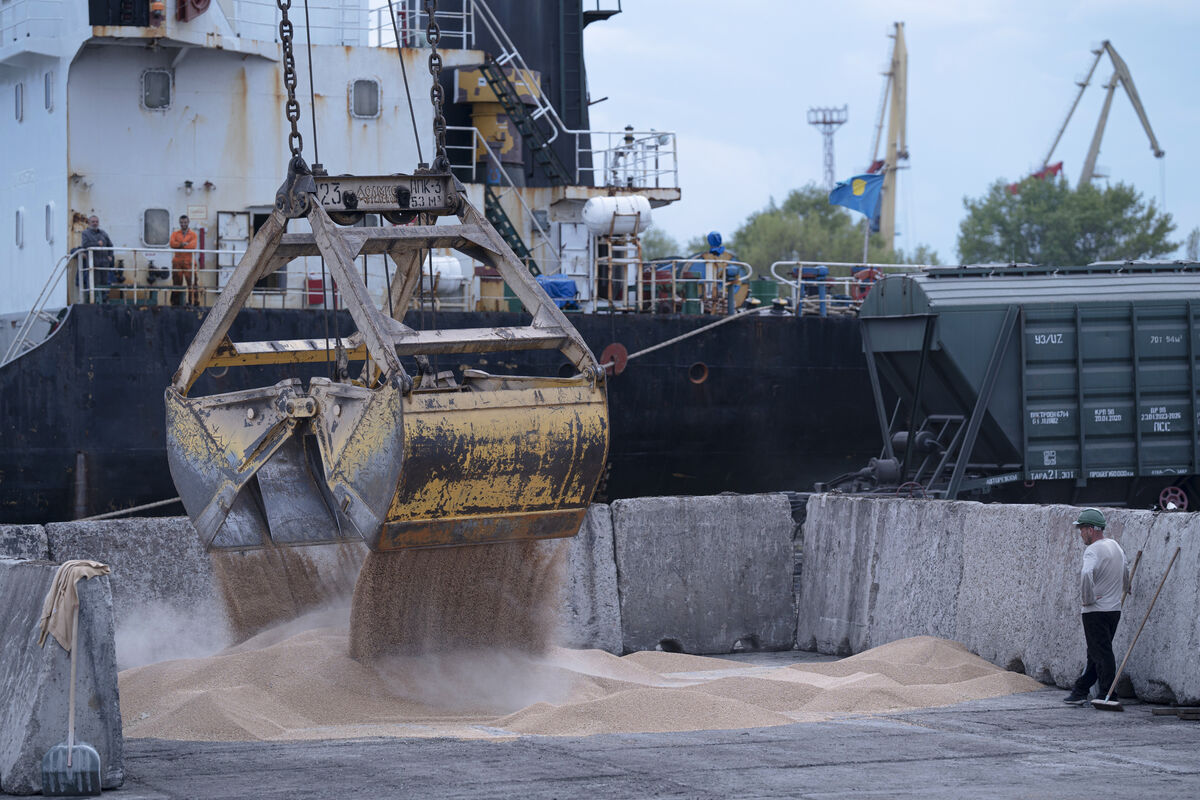
Russia has declared it will now view grain ships in the Black Sea as military targets, and since withdrawing from the initiative it has inflicted three nights of air strikes on Ukraine’s Black Sea port cities such as Odesa and Mykolayiv.
It is estimated that approximately 60,000 tonnes of grain have been destroyed in those attacks.
The situation has the potential to create a world food crisis, according to an EU spokesperson, while it has already had an immediate impact on world wheat prices.
Those have risen 12% in the past week alone, based on US benchmark prices for September delivery, and while there are alternative transport options to get grain supplies out of Ukraine, those are more expensive and will add more costs.
Condemnation of Russia’s actions seems inadequate in these circumstances. To illustrate the challenges of modern diplomacy, Turkish president Recep Erdogan may be best placed to persuade Russian president Vladimir Putin to rejoin the initiative.
Erdogan is no one’s idea of a champion of Western liberal values, but in this endeavour he is carrying the hopes of democracies everywhere. Russia’s attacks on Ukraine ports must stop as soon as possible.
The arrival of the Ireland women’s football team at their first World Cup has been a hot topic for quite some time, and their first game in the tournament, when they took on Australia yesterday, was the natural focus of the country for the day.
The perennial challenge for participants in such an epochal event is, to use a beloved sports cliche, to play the game and not the occasion. It can be relatively easy to lose sight of the fact that beyond the symbolism and the significance alluded to by everybody, a game still has to be played.
As it happens, Ireland lost out to heavy favourites Australia in Sydney, but by the narrowest of margins, a 51st-minute penalty converted by Steph Catley giving the home side victory.
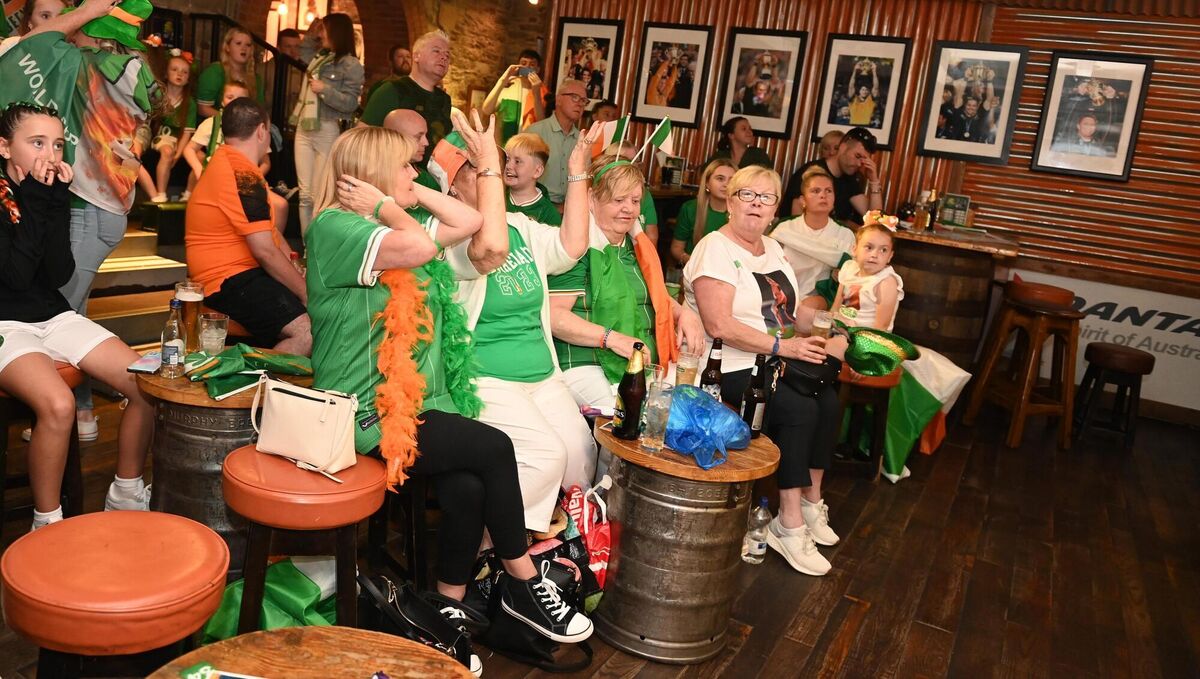
The road does not get any easier for Ireland, who must now get themselves together for another stern test when they face Olympic champions Canada in Perth on Wednesday.
There may be some regret that the groundbreaking games are being played so far away that it is not feasible for large numbers of people to travel to support the team, but memories are still being created.
Those who cheered Ireland on in homes and venues all over the country yesterday are already storing up the evocative moments that will sustain them in the coming years — the near misses, the contentious refereeing decisions, the sudden flaring of an opponent’s name into a synonym for danger.
In that sense, the experience is reminiscent of the man who was asked how he enjoyed Italia ’90.
“I missed it,” he said. “I was in Italy.”


CONNECT WITH US TODAY



Be the first to know the latest news and updates