Irish Examiner view: Who will pay the piper for stormy weather?
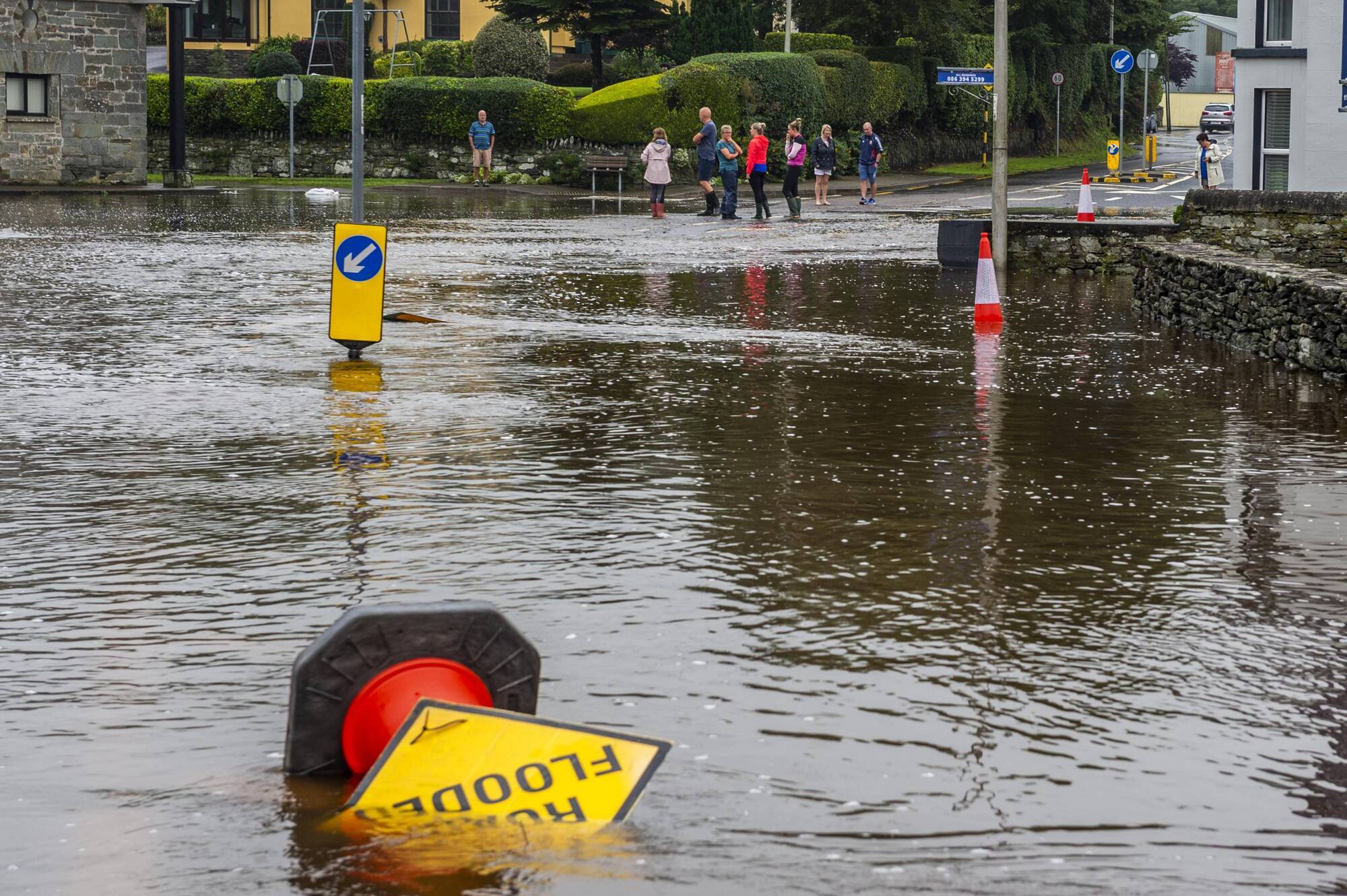
It is estimated that losses from weather events are doubling globally every 12 years because of various socio-economic factors — population growth, increases in building in vulnerable areas such as flood plains and coasts, additional wealth, and inflation-driven costs of replacing vulnerable infrastructure. Picture: Andy Gibson
In Ireland, when major disasters strike, it is the Government and taxpayers who are usually the insurers of last resort. Happily, we have not experienced the kinds of climate catastrophe which are an increasingly regular feature of life elsewhere.
Perhaps the biggest bill to be picked up is attributable not to global warming, or poor flood defences, but to the use of defective building materials in the €3.5bn mica crisis.
While politicians look to mortgage providers, banks, and insurance companies to make their contribution to remediation, it is in the hope that this was a one-off event which will never be repeated. But bigger and more regular questions lie ahead.
Last month, insurance companies warned that climate change will lead to significant rises in the cost of home and commercial property insurance, as the current model for assessing flood risk is no longer tenable.
Allianz said the industry will require Government assistance for climate-related events, while AIG warned of the “increased frequency of mid-sized catastrophic weather with losses in the “region of €25-€70m” per event.
Significantly, there were warnings that the Government may have to plan ahead for sectors which may not get insurance cover in the future, the Alliance for Insurance Reform observing that “this may well become the case in Ireland, as it is in the UK, but not just for flood insurance, as insurers are jettisoning multiple sectors that they deem to be uncommercial, as the trend of micro-sectoring becomes more prevalent”.
Critics who believe that this may represent some sabre-rattling from an industry which is never backward in coming forward with price increasesing its prices should take note of what is happening in other countries.
In wealthy California, the US’s largest property insurer has just announced that it will stop issuing new policies in the State, citing “historic increases in construction costs outpacing inflation, rapidly growing catastrophe exposure, and a challenging reinsurance market”.
California is particularly beset by wildfires but premiums are accelerating in the Appalachian states (flooding) and Louisiana and Florida (hurricanes)/ Where cover can be obtained at all.
Kate Aronoff, author of , wrote this week: “The rich will make out all right, for now, able to pony up the cost of more expensive policies or relocation. The rest will find themselves on the losing end of what happens when the private sector is entrusted with planning for climate chaos.”
It is estimated that losses from weather events are doubling globally every 12 years because of various socio-economic factors — population growth, increases in building in vulnerable areas such as flood plains and coasts, additional wealth, and inflation-driven costs of replacing vulnerable infrastructure.
In Ireland, we have a pressing need to accelerate our building programmes to meet the burgeoning housing crisis. It is incumbent upon us to ensure that we put enough money aside to meet the meteorological changes and challenges that will beset us.
That ‘rainy-day fund’ will acquire a much more literal meaning in the next two decades.
CLIMATE & SUSTAINABILITY HUB