Irish Examiner view: Politicians need to lead, not dither
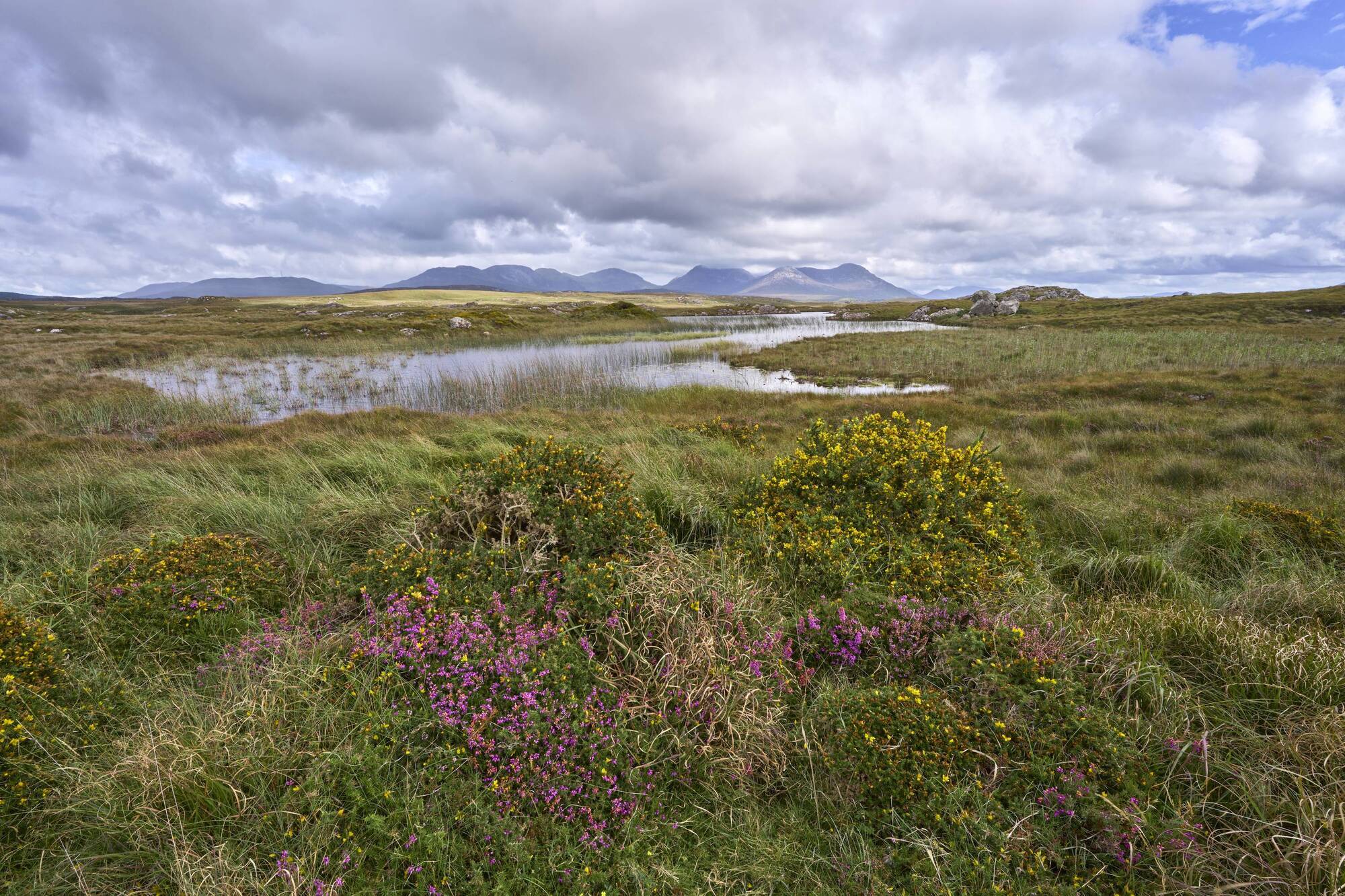
It was extraordinary to see what has occurred in the EU with the Nature Restoration Law.
One would have thought that by now the urgency of the climate crisis was beyond question, with the markers of deterioration appearing regularly.
Last week it was an alarming revelation about the numbers of species threatened with extinction; yesterday it was President Michael D Higgins’s warning at the opening of Bloom and the news that Ireland will wildly miss its 2030 emissions reduction targets.
It was extraordinary, therefore, to see what has occurred in the EU with the Nature Restoration Law. The European People’s Party (EPP), which represents around 177 of 705 MEPs, including Fine Gael, has left negotiations on that law, which aims to restore at least 20% of the EU’s damaged land and sea areas by 2030, and all ecosystems by 2050.
This measure is a good example of what is meant by calls for action tocombat climate change. It is ambitious: Restoring 20% of the EU’s damaged land and sea areas by 2023 is a huge undertaking.
However, that is slightly less ambitious than the goals set out at the UN Cop15 global biodiversity summit. At that conference, 196 countries and blocs agreed to restore at least 30% of degraded ecosystems by 2030.
CLIMATE & SUSTAINABILITY HUB
However, not only are some Irish MEPs not pushing this measure at European level (MEPs from Fine Gael, Fianna Fáil, and Sinn Féin have all signalled their opposition), but there is also dissent within the ranks of Government.
Last week, Taoiseach Leo Varadkar said of the proposal that there were aspects of it which went “too far, particularly if it comes to taking agricultural land out of use for food production”.
On the other hand, Environment Minister Eamon Ryan said of those who were “scaremongering” that the Nature Restoration Law would destroy family: “I’d absolutely, fundamentally disagree.”
While one can make allowances for the inevitable creative tensions between Coalition partners, these diametrically opposed positions suggest viewpoints which are very difficult to reconcile. It is hardly surprising, then, that Irish MEPs reflect those divergent views in Brussels.
However, politicians cannot have it both ways. People cannot be told to make fundamental changes to their behaviour to combat the climate crisis while their public representatives will not engage fully with measures seeking fundamental change to combat the climate crisis.
Leaders are elected to lead, after all.

CLIMATE & SUSTAINABILITY HUB
CONNECT WITH US TODAY



Be the first to know the latest news and updates