Irish Examiner view: ‘The Bell Jar’ tolls
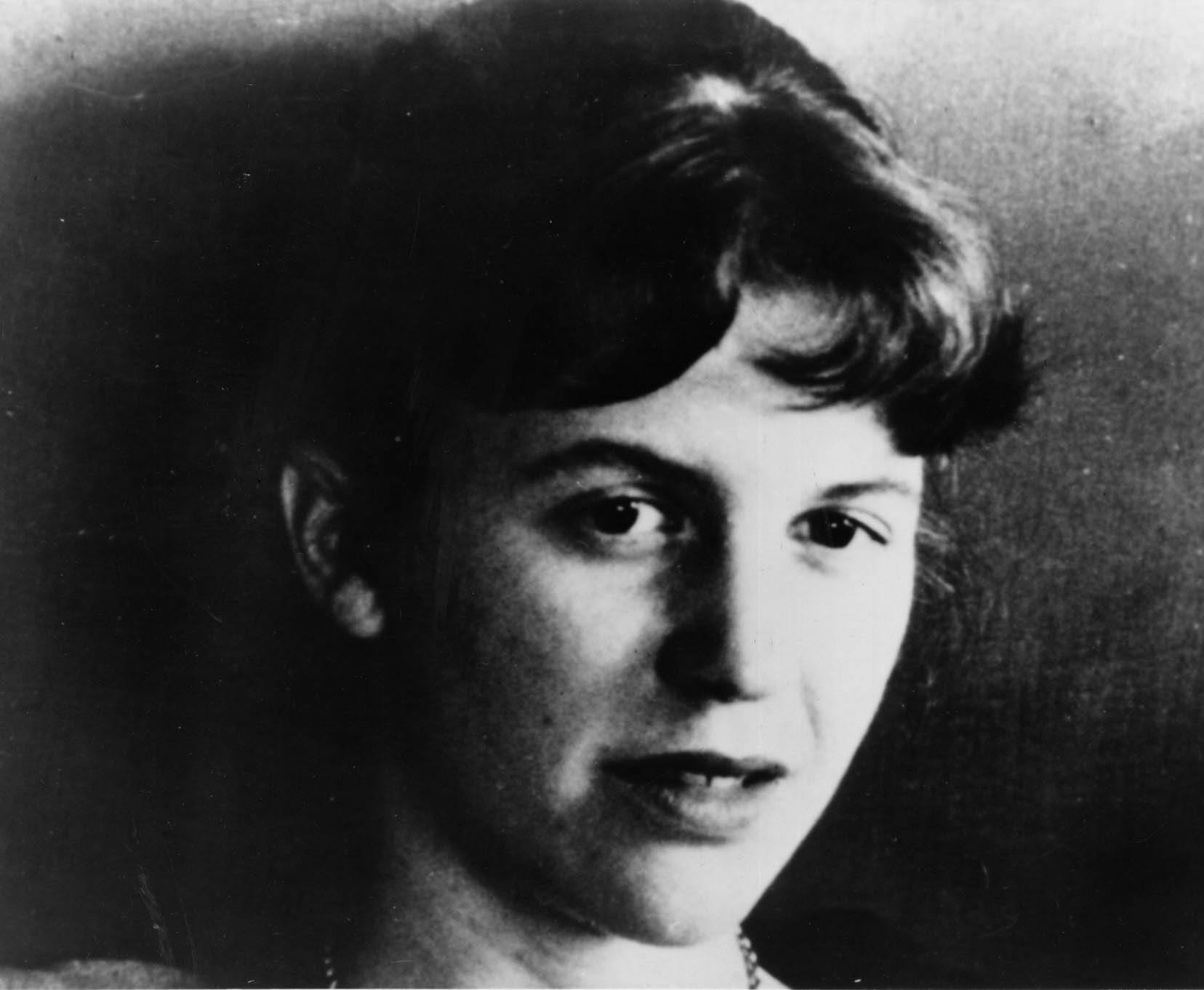
Today marks the 60th anniversary of the death of poet and author Sylvia Plath, whose story is inextricably linked with Ireland
Sylvia Plath, the wife of another poet, Ted Hughes, killed herself after he left her for another woman while they were holidaying in Galway. Picture: Rollie Mckenna

Sylvia Plath, the wife of another poet, Ted Hughes, killed herself after he left her for another woman while they were holidaying in Galway. Picture: Rollie Mckenna

Today marks the 60th anniversary of the death of a female poet and author who is rightly claimed to be one of the greatest influences, not only on literature but on feminism. And it’s a writer whose story is inextricably linked with Ireland.

This week, accomplished Irish actor Denise Gough from Ennis, Co Clare, has been on stage in London performing in An Evening With Sylvia Plath. Plath, the wife of another poet, Ted Hughes, killed herself after he left her for another woman while they were holidaying in Galway. In a devastating echo of that first tragedy, Hughes’s lover, Assia Wevill, took her own life, and that of their four-year-old daughter, six years later after returning to England from a house they had borrowed overlooking Cashel Bay.

Plath became famous for confessional poetry, but it is her semi-autobiographical novel The Bell Jar, with its modern themes of mental health, depression, and a paternalistic society which equated ambition in women with neurosis, that has resonated down the decades and continues to do so. 

Sylvia Plath's semi-autobiographical novel 'The Bell Jar', with its modern themes of mental health, depression, and a paternalistic society which equated ambition in women with neurosis, continues to resonate.

The Bell Jar was finished shortly before Plath came to Ireland with Hughes, pregnant with their second child. It was published under the pseudonym Victoria Lucas six decades ago last month, and under her own name in 1967. Its account of a dark, driven, and unstable young woman has been in demand ever since it first appeared.

The story recounts how a 19-year-old undergraduate suffers a nervous breakdown brought on by, among other things, being rejected for a creative writing course. In real life, Plath, whose favourite poet was WB Yeats, was turned down for a place at a Harvard summer school. That course was run by the Cork writer and poet Frank O’Connor.

If Plath had lived, she would have been 90 this year. As would have been Brendan Behan, who was born nine decades ago on Thursday this week. What an explosive pair they would have been to invite to dinner.

x

More in this section

Revoiced

Newsletter

Had a busy week? Sign up for some of the best reads from the week gone by. Selected just for you.

Cookie Policy Privacy Policy Brand Safety FAQ Help Contact Us Terms and Conditions

© Examiner Echo Group Limited