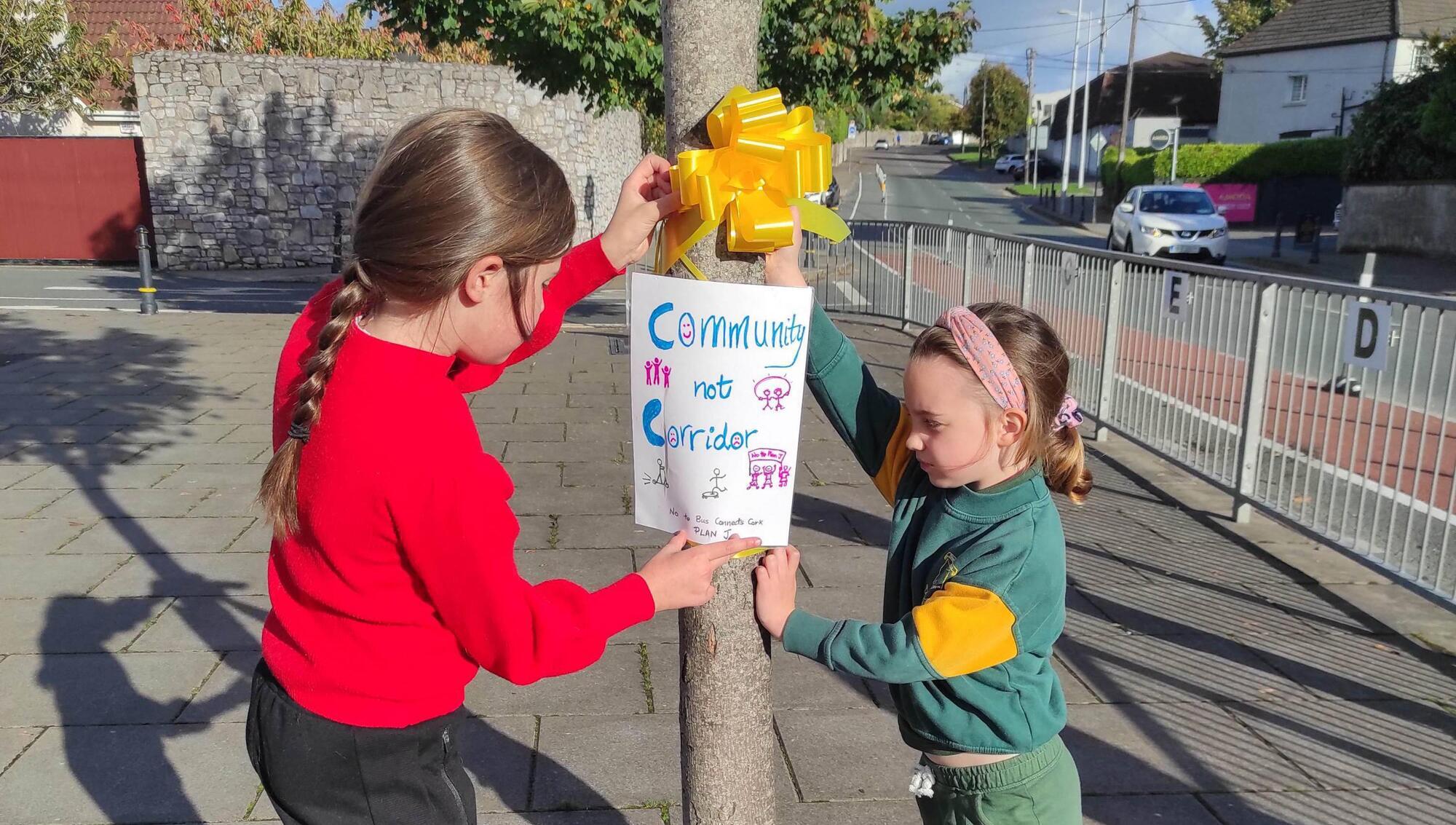
When Taoiseach Micheál Martin took time out from his Prague visit to comment on the €600m BusConnects plan for Cork, he was addressing an issue which threatens to divide the city. And, at the moment, those who are evangelising for the 12 new strategic transport corridors which would revolutionise the ways in which we commute have a distance to travel to win hearts and minds.
The proposals could see 933 properties impacted, the loss of 1,039 on-street parking spaces, and the felling of over 1,400 trees. This would make way for just over 90km of bus lanes and bus priority lanes and 112km of cycle facilities.
In today’s first installment of a three-part series, we examine a plan which requires a radical reappraisal of the way in which we think about cities and in our relationship with cars and communal transport.
Mr Martin said: “It has created extraordinary anxiety among people across the city, elderly people are crying because of the letters that have been sent to their homes. I think there must be a better way for a national agency to behave in respect of an issue like this.”
Population growth of 50% to 60% is forecast by 2040, bringing with it massive transport and congestion challenges allied to air quality issues which already exist.
If people are to be persuaded to give up their cars and gardens there must be more than talk of cashless payment systems, new bus stops, and better signs. As big hairy audacious goals, to slip into management speak, these fall way short.
How about making public transport free? Nearly 100 cities around the world offer their transport services either free or partially free. This is but one idea. Guaranteed service levels and schedules are another.
However, it is going to require much more effort to gain agreement and support than we have seen thus far.
Read More

Subscribe to access all of the Irish Examiner.
Try unlimited access from only €1.50 a week
Already a subscriber? Sign in
CONNECT WITH US TODAY
Be the first to know the latest news and updates