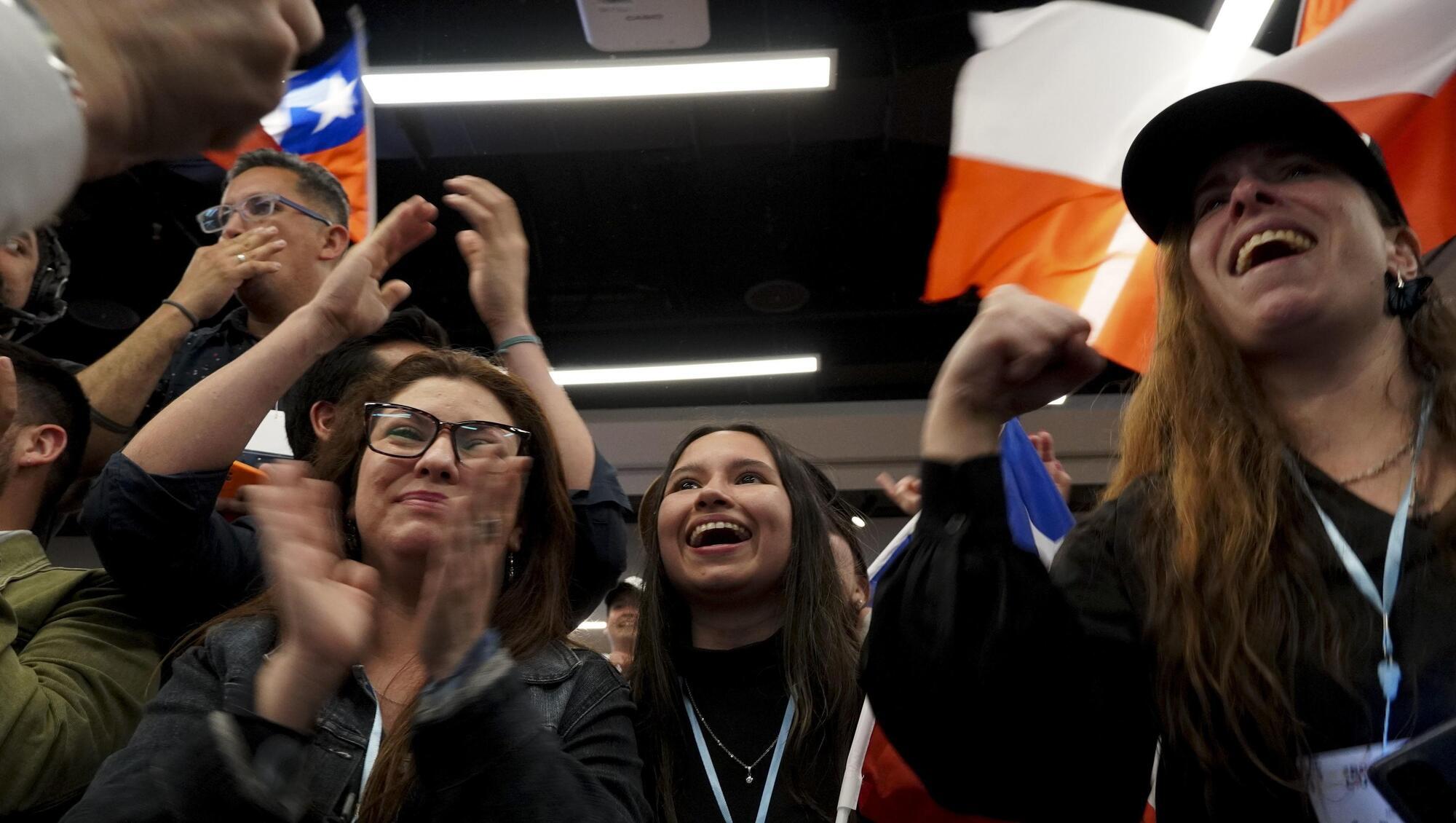
Hopes that Chile was about to embark on a new era of social harmony with a final rejection of laws enshrined by the country in 1980 under the rule of Augusto Pinochet’s dictatorship appear to have been dashed by the comprehensive rejection of a proposed new and radical constitution.
With 99.9% of votes counted on Sunday, 61.9% of Chileans rejected the new progressive constitution — as against 38.1% in favour — as brought before them by the recently elected president Gabriel Boric, leader of the Social Convergence party.
Boric’s election in March after years of social unrest in Chile — known in the country as the ‘estallido social’ — in a victory over far-right candidate Jose Antonio Kast, was considered to be the best chance of uniting the people behind a profound new constitution which had appeared to appease the demands of those clamouring for change.
However, the proposed sweeping reforms — which enshrined gender parity across government and other organs of state for the first time anywhere in the world and arrived at after a year of protracted negotiations — appear not to have satisfied the electorate.
Thankfully, initial fears that ‘approve’ voters, disgruntled with the result, would reignite the 2019 mass demonstrations which sparked the reform process were unfounded, but there are still concerns that the Chilean people’s fight for a more egalitarian and democratic future will come unglued.
Even so, Boric’s willingness to repeat the constitutional reform process is a positive sign. As yet, there has not been any agreement from the ‘reject’ or ‘approve’ sides in the debate, although allowing Chile’s national congress to reform the 1980 document has already been mooted.
Boric has already summoned a meeting of the country’s individual party leaders at La Moneda, the presidential palace in Santiago, and has committed to “building a new constitutional itinerary” alongside “congress and civil society”.
Despite the rejection of the first attempt at doing just that, it seems the fabric of Chile’s democracy is still intact and can be revived, albeit withconsiderable modification.
Sunday’s referendum may have been too radical for a majority of Chileans, and unfortunately, it divided the population rather than uniting them. But there is a new sense of political maturity within Chile, and if this vote demonstrated “a more robust democracy”, as Boric put it, then that is something of which the Chilean people can be proud.
CONNECT WITH US TODAY
Be the first to know the latest news and updates