Irish Examiner view: Global refugee system risks fall into chaos
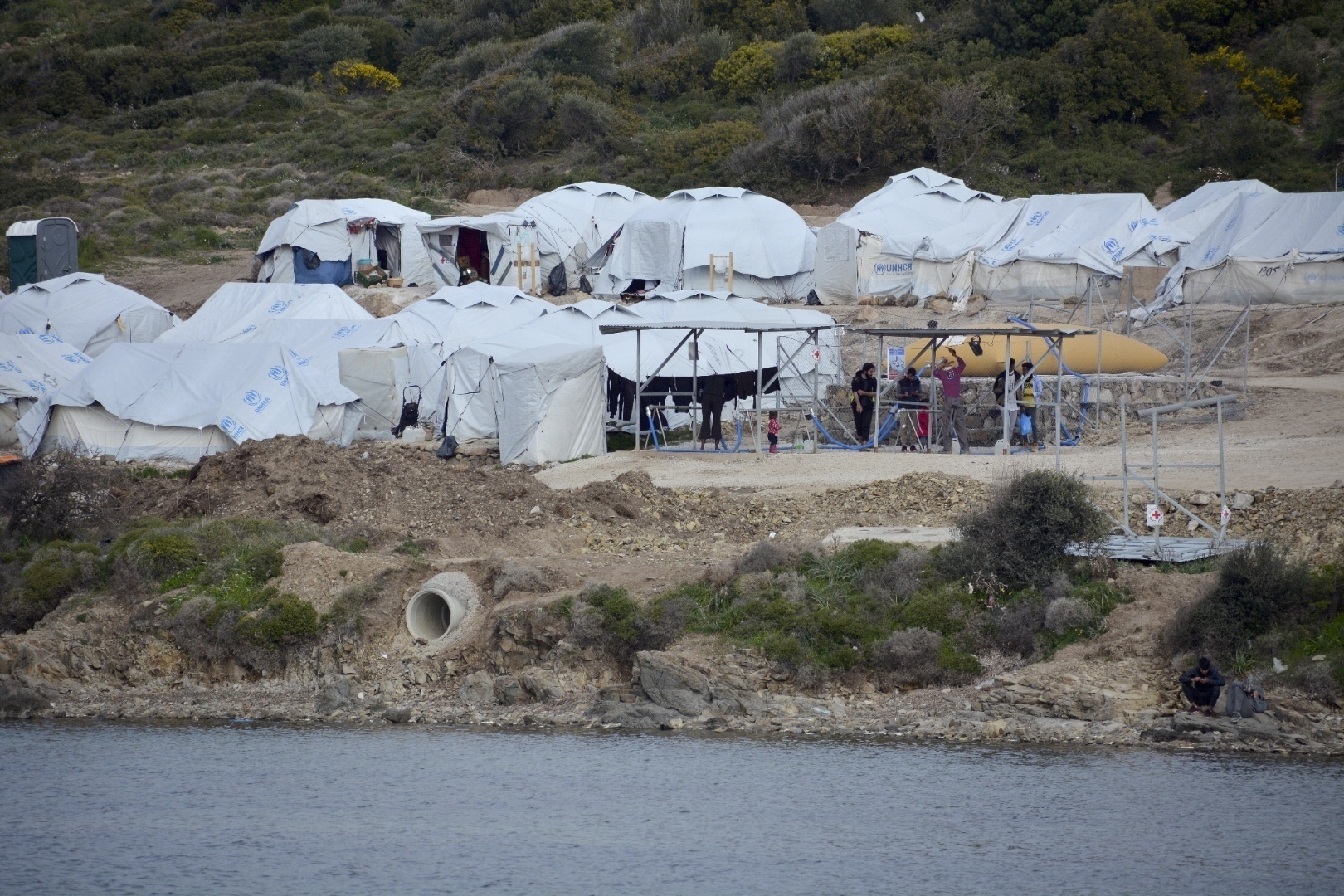
Britain has also taken in more than 330,000 people from Ukraine, Hong Kong, and Afghanistan. Alongside Germany, the Netherlands, and Switzerland, Britain is the most popular destination for asylum seekers. File picture: Panagiotis Balaskas/AP
It is unlikely, given the perspective of the past decade, that any Western democracy would now sign up for the 1951 United Nations Convention Relating to the Status of Refugees. This was a post-1945 agreement, established in a Cold War era, which is now an anachronism unsuited for modern, interconnected, and turbulent times. A system created to offer protection to people at risk of persecution in their own countries, a noble objective, is now overwhelmed by numbers, and a flexible range of jeopardies.
A worrying report states that the accommodation system for asylum seekers — there is a difference in definition between these people and refugees — is at “breaking point” and that Ireland may shortly be unable to fulfil its international obligations.

The says that the Department of Children, Equality, Disability, Integration, and Youth has received a large number of offers from businesses and individuals to house refugees in recent months, but most are unwilling to accept asylum seekers from other countries.
A source told the newspaper: “It doesn’t matter if it’s a State body, a private body, a religious organisation, a sports organisation, it’s always the same response: ‘We’ll only take Ukrainians. We won’t take international protection.’ It’s absolutely everywhere, at all levels.”
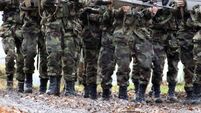
With the country in the grip of a severe homelessness crisis, there are concerns that if shelter cannot be found, asylum seekers may be forced to join those who sleep rough. While some are being temporarily housed in Defence Forces tents, there are reports of others sleeping on chairs at the centre in Citywest.
There are worries, also, over increasing public anger fanned by fake news on social media. Last week, asylum seekers were moved from a warehouse in Finglas following threats and violent incidents. Another relocation took place in Westmeath last month following local objections.
While there are 35,000 refugees from Vladimir Putin’s war in Ukraine currently accommodated by the State, the number of people in the International Protection Accommodation Services, which manages the asylum seeker process, has doubled in 12 months to 15,000.
The supervision of displaced persons is a challenge across Europe for citizens and political leaders trying to balance their spirit of generosity with recognition of the practicalities and the attendant costs upon already-faltering economies.
Near Groningen in the Netherlands, the Dutch government have been obliged to move 700 asylum seekers — many from Syria — from a squalid camp where a three-month-old baby died, after health officials warned of serious risk of infectious diseases.
In Britain, where failure to control illegal immigration will probably cost home secretary Priti Patel her job in a Liz Truss reshuffle, the annual bill for asylum seekers has reached €2.5bn. A notable statistic is the increase in young Albanian men with 25%, more than 6,000, contributing to the record numbers coming across the Channel in small boats operated by people smugglers.
Britain has also taken in more than 330,000 people from Ukraine, Hong Kong, and Afghanistan. Alongside Germany, the Netherlands, and Switzerland, Britain is the most popular destination for asylum seekers.
Under the protocols of the United Nations High Commissioner for Refugees, which was created in 1950, those who enter a country unlawfully can seek asylum under international law, and not be penalised for their mode of entry.
The obligations which fall upon the receiving country are exploited by criminal gangs and this is one of the reasons that some countries are beginning to doubt the ongoing viability of the 1951 Convention.
Right now, no one wants to be the first to decouple but we should not imagine that observance will be maintained forever, particularly if it continues to creak, and especially with the rise of populist leaders. If one country withdraws then others may follow.
There is no system of sanctions on countries which force sections of their population to flee repression or persecution, and therefore no chance of hosting countries being able to achieve any form of reparation from those responsible for ill deeds.
With the likelihood of future mass migrations because of climate change, the Refugee Convention is the only international instrument in place to mediate the passage of displaced persons to a new life.
If it fails because of public backlash of a perceived “gaming” of the system, we will have to cope with another form of chaos, which may be much harsher.