Irish Examiner View: Health provision always one beat behind the band
The HSE still seems to be off tempo in Covid’s wake.
Irish Examiner View: Health provision always one beat behind the band

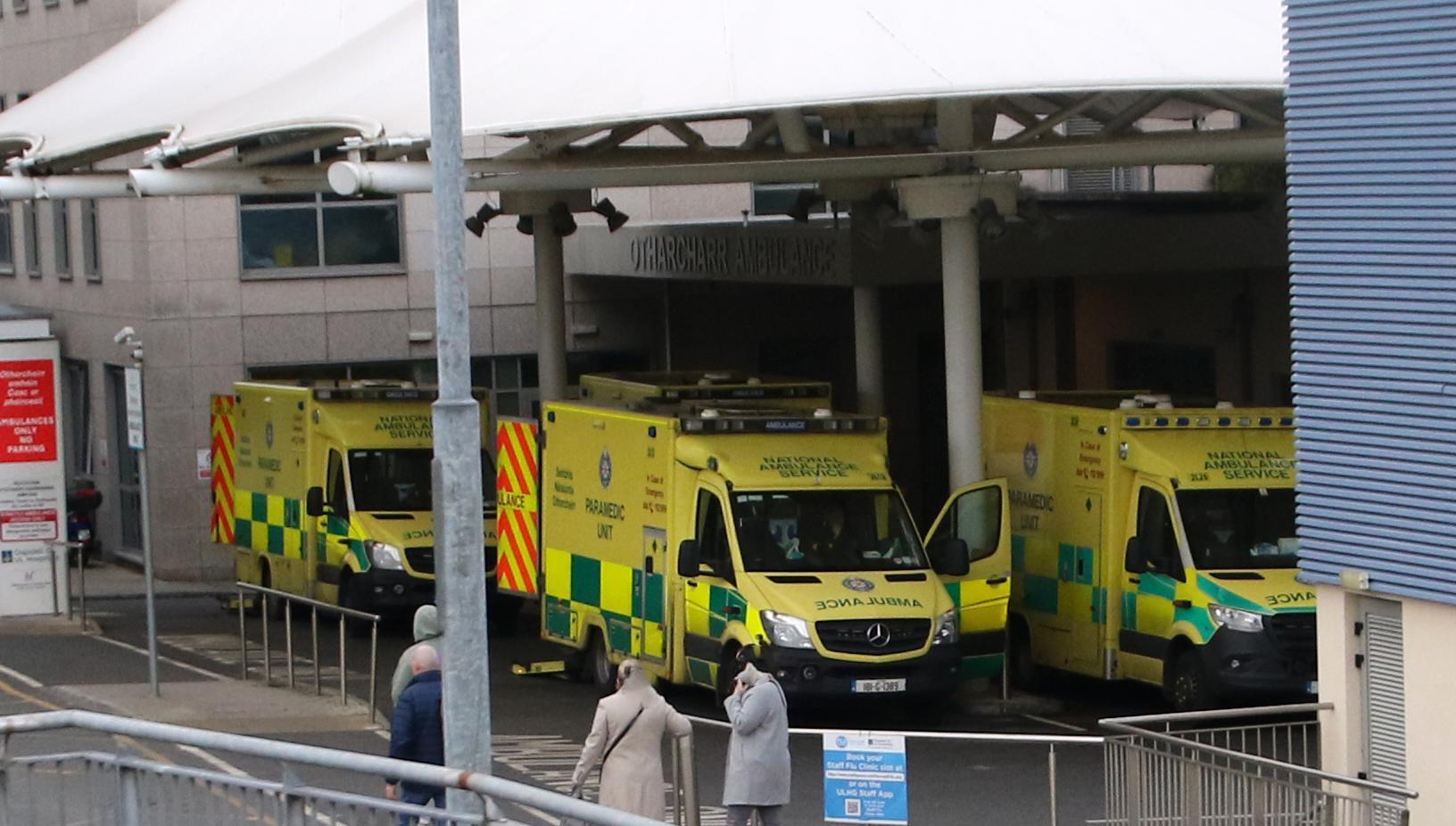
The emergency department at University Hospital, Limerick. Picture: Brendan Gleeson

The long shadow cast by the Covid-19 pandemic upon health service provision points daily to systems which, if not yet totally broken, are seriously ruptured.

At its most visible, we witness expert teams sent into hospitals such as Limerick to manage the consequences of the long-lasting trolley crisis, a solution ordered by Health Minister Stephen Donnelly, who said he was “very concerned”. The scenes are described as “chaos” by staff members.

HSE chief executive Paul Reid has been asked to review emergency departments throughout Ireland “to see what more is needed”. Some health service provision can best be described as suffering from a “one-beat-behind-the-band” syndrome. By the time resources are mustered into what is presumed to be a correct formation, the tempo has changed, with overwhelming results for hard-pressed staff.

University Hospital Limerick was provided with State investment for a modern emergency department in 2017 while, at the same time, the workload of previously functional A&E departments at Clare and Tipperary was redirected to the new facility. 

Patient overcrowding has increased. More than 100 new beds were opened in 2021, but most had to be allocated to Covid-19. 

Limerick is awaiting the construction of a new 98-bed unit in its grounds but, as we recently reported, capital projects with escalating costs, supply chain problems, and skill shortages are a bed of nails for even the most proficient logistics and resource managers.

Not that challenges in regional hospitals are the only approaching cloud. The backlog of diagnoses and treatment for cancer has been well documented. Within the World Health Organization (WHO), it accounts for more than 20% of all deaths. The Global Pulse Survey conducted by WHO on the continuity of essential health services during the pandemic indicates that in the last quarter of 2021 there was a disruption in cancer care (screening and treatment) of between 5% to 50% — an enormous range. 

The knock-on effect will, it says, “be felt for years”.

As has been cited by several major organisations, it has resulted in a “deadly interplay” between the draining effect of Covid-19 — on which a sluggish State has yet to deliver terms of reference for a ‘public evaluation of our management of the crisis — and this backlog of diagnoses and treatments for other medical health issues.

Unicef, the children’s emergency charity, points to an increase of nearly 80% in measles worldwide, saying the virus is the “canary in the coalmine”, indicating gaps in vaccination campaigns for preventable illness. Globally, more than 17,300 cases were reported in January and February, compared with about 9,600 during those months last year.

Christopher Gregory, a senior health adviser for Unicef, said that because measles was once the “most contagious vaccine-preventable disease”, it often served as a warning sign for weaknesses in the immunisation system. 

Programmes to immunise children should be on “at least the same level of priority as finishing Covid vaccination”, he added. The UN calculates that 57 vaccination campaigns in 43 countries that were postponed at the start of the pandemic have still not been completed, affecting 203m people, most of them children.

Another perverse impact of Covid, being linked to lockdown and social distancing and a resulting lack of exposure to other viruses, is being blamed for a deadly outbreak of children’s hepatitis. So far, 114 acute cases of “of unknown origin” have been reported in Britain, starting in Scotland in March. Most involve children aged five and under.

Three-quarters of UK cases have been linked to adenoviruses, a causal factor of the common cold. If an immune system has been compromised, then it loses resistance, which can lead to hepatitis, a potentially deadly liver disease.

The WHO says 169 children across 12 countries, including Ireland, have been diagnosed since October; 17 have required liver transplants. Doctors worry about what they describe as a “susceptibility factor”.

What is clear after three years of combatting Covid-19 is that the list of susceptibilities is not getting any shorter.

x

More in this section

Revoiced

Newsletter

Sign up to the best reads of the week from irishexaminer.com selected just for you.

Cookie Policy Privacy Policy Brand Safety FAQ Help Contact Us Terms and Conditions

© Examiner Echo Group Limited