Irish Examiner view: Echoes of Stalingrad as last defenders hold out in Mariupol
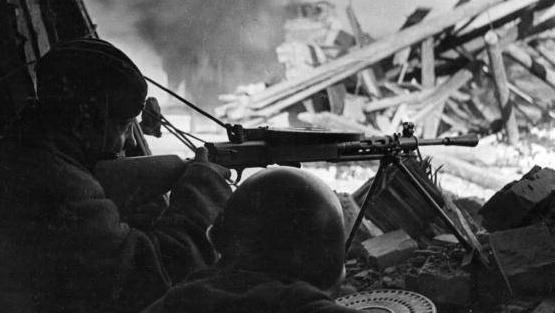
Soviet gunners fire on Nazis who had barricaded themselves into houses during street fighting in the ruins of Stalingrad in January 1943. That battle may well be on the minds of both the Russian troops sweeping into Mariupol and the Ukrainian troops holding out in the steel works there. Picture: Hulton Archive/Getty Images
Despite claims from the Russians that they had finally taken the port city on the Sea of Azov, some 2,000 Ukrainian fighters remain in the vast Azovstal steel works in the south-east of Mariupol, along with as many as 1,000 civilians and an estimated 500 injured soldiers, but their plight — and the plight of 100,000 citizens still in the city — is parlous at best.
Several attempts to bus citizens out of the ruined city have already been tried, but pitiful numbers are getting through, as it seems there is a general reluctance on behalf of the Russian attackers to assist in any humanitarian way and the population’s situation worsens by the day. For those in the Azovstal plant, their chances of survival just got worse.
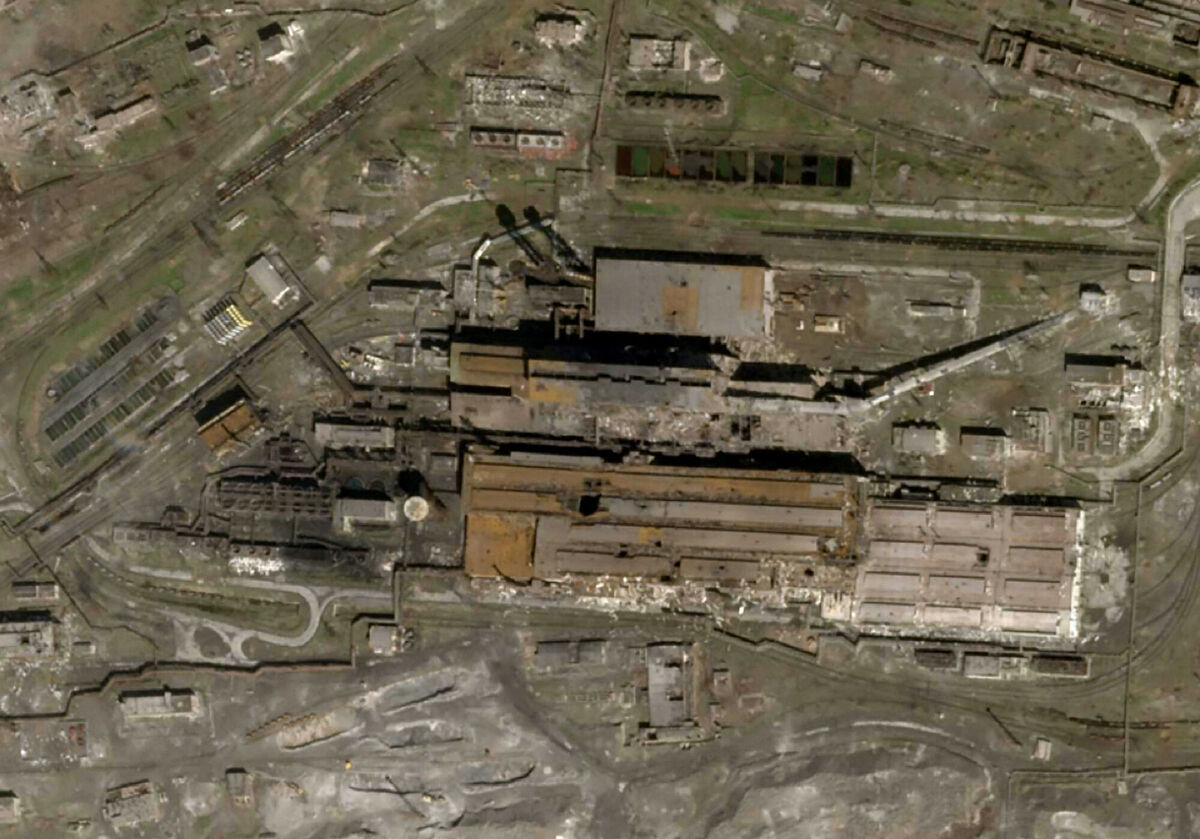
Instead of his usual preferred option of bombing the location into dust, Russian president Vladimir Putin yesterday ordered the plant to be sealed off “so a fly can’t get through”. He seems intent on starving those inside into submission rather than killing them with bombs and has thus far only
offered surrender deadlines with no guarantees for the safe passage of those inside.
Ukrainian marine commander Serihy Volny, speaking from the steel plant this week, said that his men distrusted Russian assurances of safe passage, citing previous incidents in which they were gunned down immediately after surrendering their weapons, and he asked that if his soldiers were to raise the white flag, they would be safely transported to a neutral country.
Given that one of Russia’s aims in this illegal war is the ‘deNazification’ of Ukraine and that some of the Azovstal plant defenders are members of the far-right Azov battalion, their hopes of being allowed out safely seem minimal.
Those familiar with the battle of Stalingrad between the Germans and the Russians in 1942 will remember the role played by the Stalingrad Tractor Factory in that furious, brutal, and successful defence of the city. The Red Army used the plant to stymie constant Wehrmacht attacks; ultimately it played a huge role in the Russian victory there.
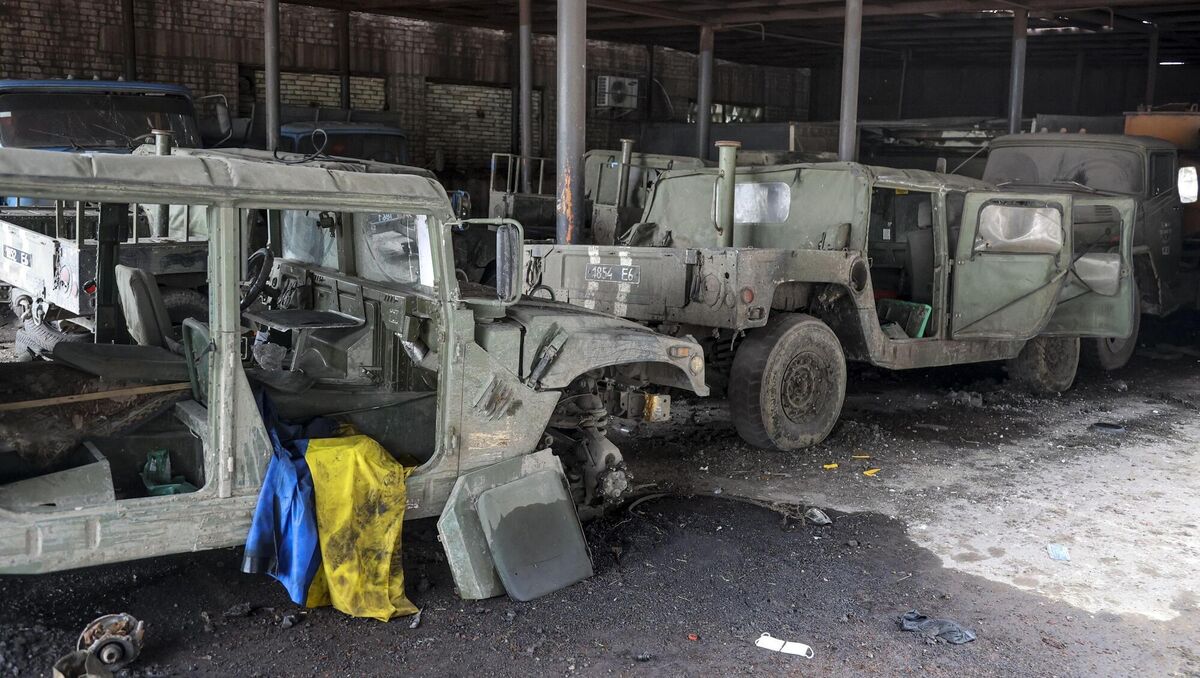
The Russians have obviously not forgotten, and their unwillingness to take on the last defenders of Mariupol in the Azovstal works underlines their fears in this regard.
There is irony as well as tragedy everywhere in Mariupol, something we were reminded of yesterday when news emerged of the death in the city on April 4 of Vanda Obiedkova, a 91-year-old Jewish Holocaust survivor, who passed away in a freezing basement while sheltering from Russian shelling.
Her shocking death may just be the precursor for something even worse.
CONNECT WITH US TODAY



Be the first to know the latest news and updates