Irish Examiner view: Influential voice on the world stage
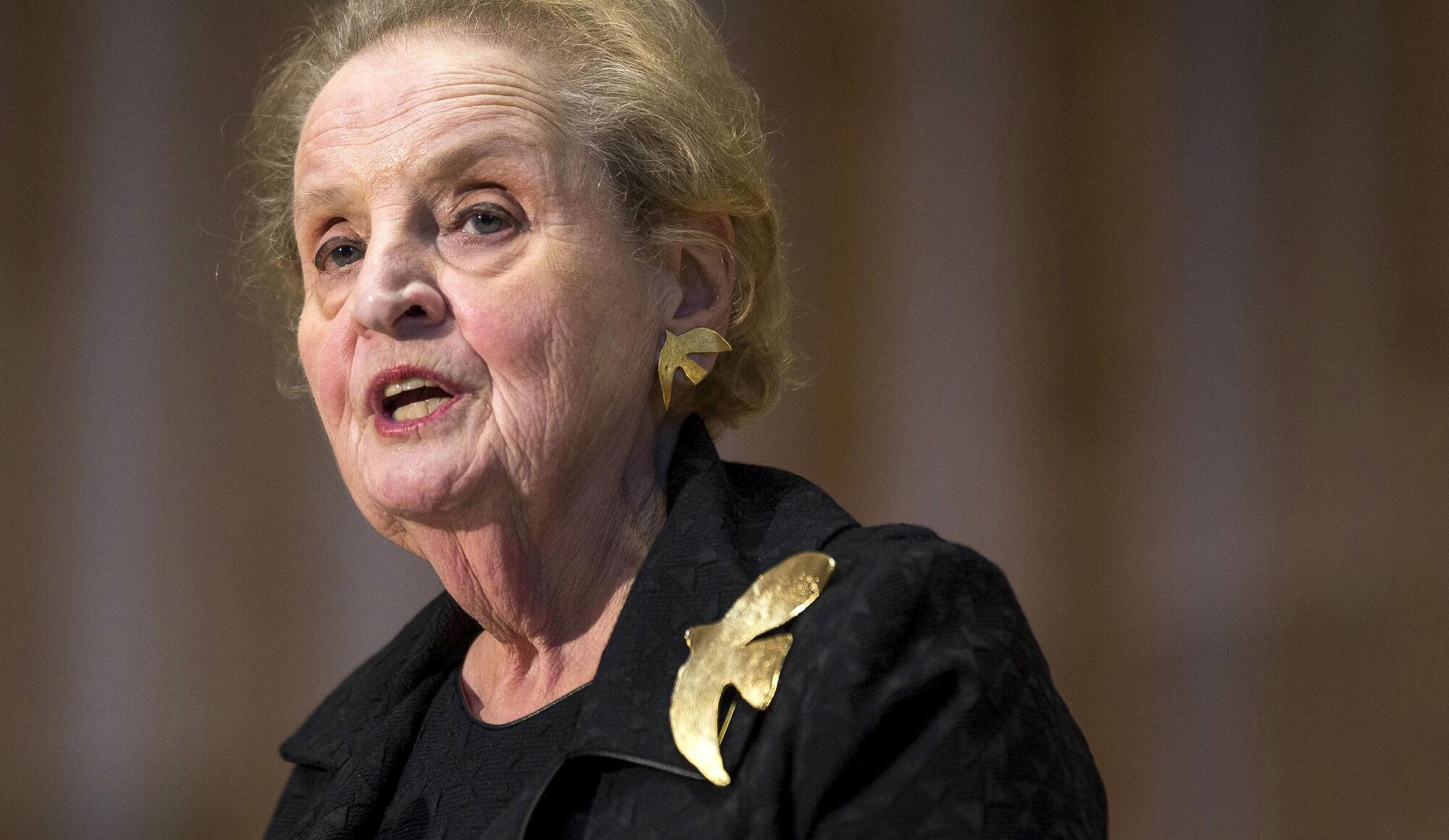
Former US secretary of state Madeleine Albright who died this week. Picture: Zach Gibson/AP
It is interesting to speculate what approach Madeleine Albright, who died this week, might have followed in the teeth of Russian president Vladimir Putin’s barbarous war in Ukraine.
Albright, who became the first female US secretary of state in 1997, studied under Jimmy Carter’s foreign affairs adviser, Zbigniew Brzezinski, who, during a ceremonial visit to the Great Wall of China during Carter’s presidency, was overheard to say, “last one to the top gets to fight the Russians”.
The daughter of a Czech diplomat, Albright was born Maria Jana Korbel in Prague, two years before the Wehrmacht moved in.
Her family, “with the help of some good friends and lots of luck and a little bribery”, managed to secure the necessary Gestapo authorisation to emigrate, firstly to London and then to the US, via school in Switzerland, where she mastered French and Serbo-Croat.
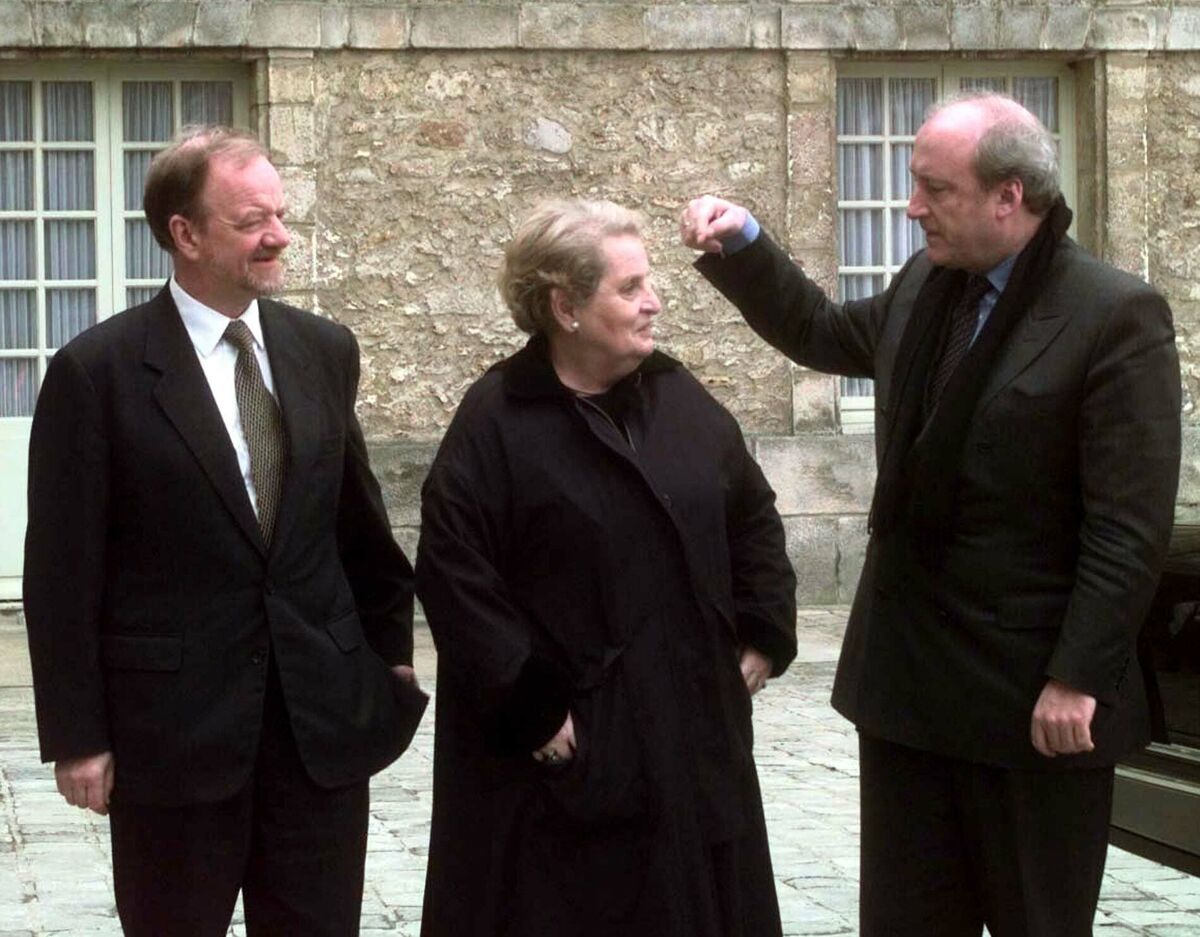
She was a principal influence in persuading Bill Clinton to intervene in the war in Kosovo where, at one stage, it seemed Russia would send troops in support of the mainly Serbian soldiers trying to destroy insurgent forces. It was she who threatened to freeze millions of dollars of US aid to the former Yugoslavia if Belgrade did not deliver Slobodan Milosevic to The Hague to face charges of crimes against humanity.
As with all diplomatic careers, there were manifold failures, Rwanda and Mogadishu among them, as well as successes, but Albright was almost the last in a line of presidential advisers who were as well known overseas as their commander-in-chief.
She was part of a formidable and historic line of secretaries of state which included George Marshall, Dean Acheson, John Foster Dulles, Dean Rusk, Henry Kissinger, Colin Powell, Condoleezza Rice, and Hillary Clinton. Since Donald Trump was president, the role has faded, and not necessarily in the best interests of the US or Western democracies.
CONNECT WITH US TODAY



Be the first to know the latest news and updates