To suffer from one addiction is terrible, but to carry a second, and yet even a third, is a disaster from which few recover.
In an emotionally eviscerating programme, being broadcast tonight on BBC1, the former Arsenal and England player, and Sky TV pundit, Paul Merson comes clean on the longest-lasting of his three obsessions: Gambling.
Merson, 53, has been a compulsive gambler for 36 years, squandering €10m. During the first Covid-19 lockdown in the UK, he staked all his money on obsessive bets, and lost.
In Football, Gambling and Me, ‘The Merse’ interviews fellow footballers who suffered from the same uncontrollable impulses. They include former Northern Ireland international Keith Gillespie, that country’s fourth-highest capped player, who ended his career at Longford Town in the League of Ireland. Welsh international John Hartson also contributes, as does Scott Davies, one-time Ireland U21 squad member.
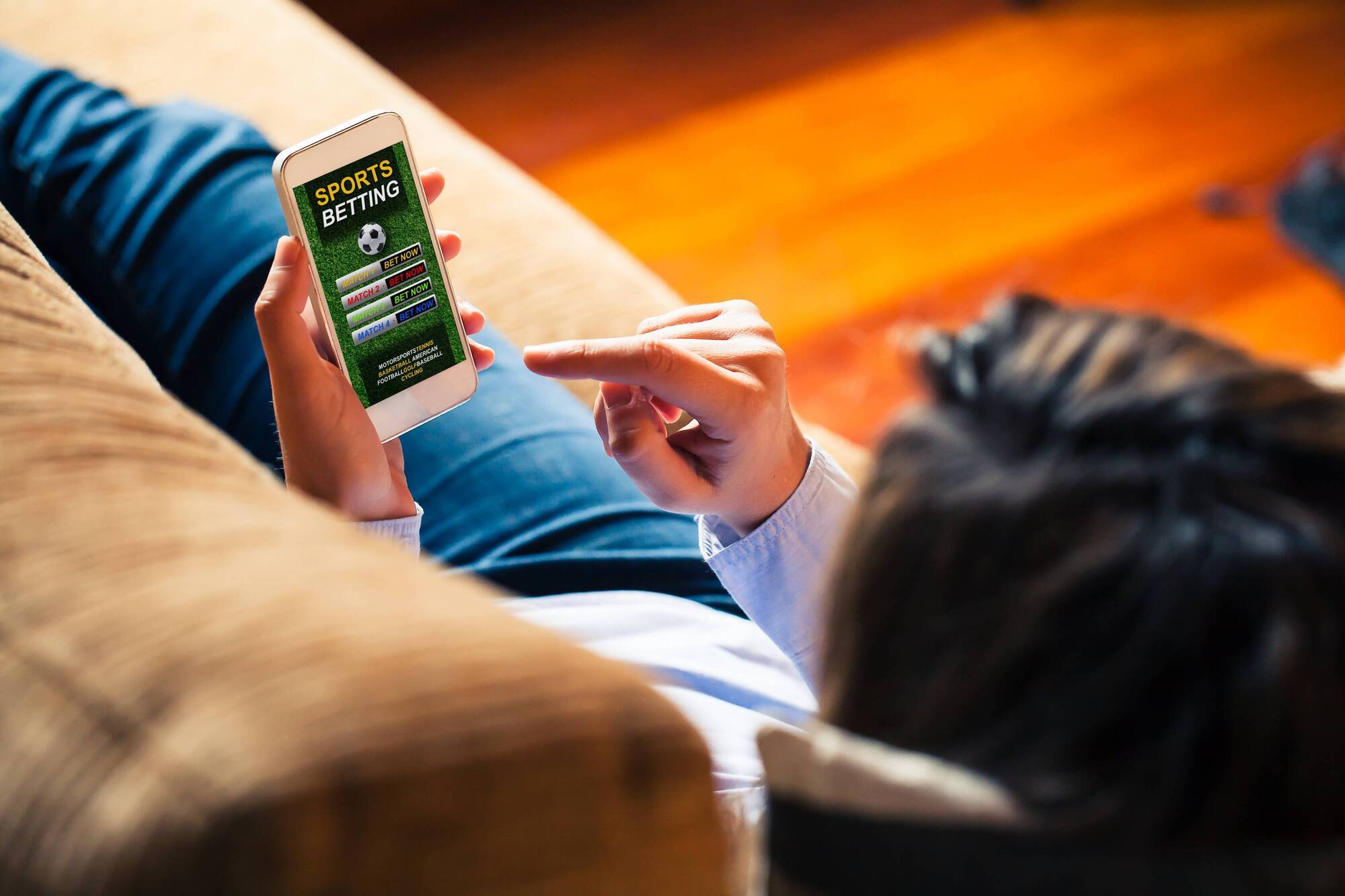
Sports gambling is worth €300bn globally. Eight Premier League clubs carry shirt sponsorship, while 17 out of 20 have official betting partners.
One club has its own ‘next generation’ backer by promoting a crypto-currency trading platform.
In the spring, a study calculated that 55,000 men and women in Ireland had a gambling disorder. The Irish are reckoned to be the fourth-biggest gamblers in the EU, with losses of €1.36bn, or €300 for every adult. The figures reflect a shift to online gaming, from betting in shops and at tracks.
Some 60% of all online bets are expected to be placed by mobile phone within four years.

President Michael D Higgins has led calls for greater regulation of online sports gambling, describing it as a scourge.
Professor Crystal Fulton, whose research, ‘Playing Social Roulette’, has come out of University College Dublin, describes Ireland as the “wild west” in terms of gaming regulation.
Constant advertising, and free bets and smartphone apps have created a “tsunami” of enablers.
There are no limits on gambling advertising around sporting events, although the GAA and the Gaelic Players’ Association (GPA) have both argued for pan-sport restrictions, while introducing their own independent bans on sponsorship.
The GPA is also lobbying for the exclusion of betting advertising during Gaelic games fixtures.
Sweeping reforms have, shamefully, been gathering dust since 2013, but James Browne, the law reform minister, hopes to publish a bill and appoint a new gambling regulator by the end of the year.
A private members’ bill, aimed at banning the use of credit cards online and in betting shops, went through its first stage in the Dáil on Wednesday.
In his book Hooked, published ahead of his TV programme, Merson talks about the lunacy of his choices: €12,000 on an unknown table tennis player, 10 grand on the Eurovision Song Contest, “five grand on a Lithuanian U21 basketball game being played on a mountainside with a balloon” and of how gambling addiction should be redefined as an illness.
Another illness in Ireland is alcohol abuse and Cork’s main street is famously guarded by the statue of a temperance campaigner, Fr Theobald Mathew, who evangelised for abstinence and converted hundreds of thousands to the cause.
There must be a new crusade to tame gambling, before technology moves constraints out of reach and wrecks more lives.
CONNECT WITH US TODAY
Be the first to know the latest news and updates